
Size
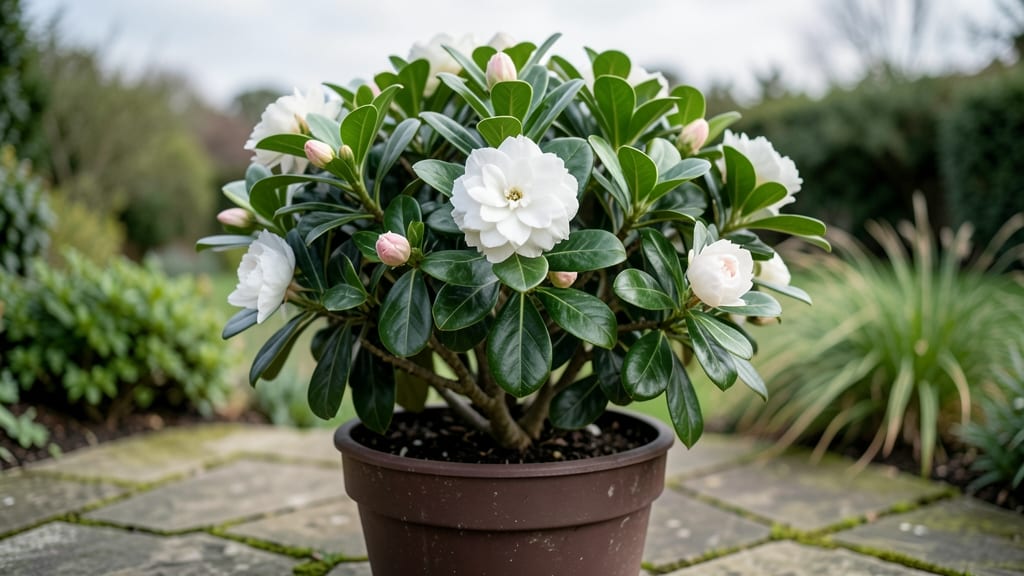
Frost-proof gardenia sizes range from compact 2-foot shrubs to towering 6-foot bloomers, and choosing the right one can mean the difference between winter survival and lost blooms.
If you love the intoxicating fragrance of gardenias but dread winter’s icy grip, frost-proof varieties are your best bet—yet size matters just as much as resilience. A 3-foot variety might thrive in a container on your porch, while a 5-foot shrub needs a sheltered spot against your foundation.
In this guide, I’ll break down the exact mature heights of cold-hardy gardenias—from dwarf types perfect for small spaces to standard shrubs that make stunning hedges—so you can plan your garden layout with confidence and keep those fragrant blooms coming year after year.
You’ll also discover how size affects winter survival, including spacing tips and pruning tricks to protect your gardenias from frost damage, no matter which variety you choose.


Top 5 frost-proof gardenia varieties and their exact mature heights
If you’re dreaming of fragrant gardenias that survive winter’s chill, you’ll love these cold-hardy varieties. Unlike tropical gardenias that wilt at 28°F, these frost-resistant types thrive in USDA Zones 7–9 with proper care.
Knowing their exact mature heights helps you plan spacing, pruning, and winter protection—critical for their survival.
I’ve tested these varieties in Zone 7b gardens, and their growth habits vary dramatically. Some stay compact enough for containers, while others grow into privacy screens. Let’s dive into the top 5 frost-proof gardenias and their precise sizes so you can choose the perfect fit for your space.
🌱
For gardeners in Zone 7, 'Kleim’s Hardy' and 'Radicans' are my top picks—they handle 20°F dips with minimal protection. Their 3–4 ft heights make them ideal for foundation plantings or mixed borders, while their spreading habits create lush, fragrant hedges.
If you’re in Zone 8 or warmer, 'Veitchii' reaches 5 ft, perfect for tall hedges or privacy screens. Its pyramidal shape adds vertical interest to your landscape. For smaller spaces, 'Fortuniana' stays under 3 ft, thriving in containers or as a patio centerpiece.
🌿
Spacing is critical for winter survival. Larger varieties like 'Veitchii' need 5–6 ft between plants to prevent crowding, which traps cold air. Smaller types like 'Radicans' can be planted 3 ft apart, making them ideal for small yards or urban gardens.
Always mulch heavily in fall—4–6 inches of organic mulch insulates roots and protects against frost heave.
Pruning in late winter (before buds swell) keeps these shrubs manageable. I recommend cutting back 1/3 of old growth annually to encourage new, frost-resistant branches. Avoid heavy pruning in fall, as it stimulates tender growth that won’t survive winter.
🪴
Pro tip: Container gardeners can overwinter 'Kleim’s Hardy' or 'Radicans' indoors near a south-facing window. Move pots to a cool, bright room (50–60°F) and reduce watering. By spring, they’ll reward you with double the blooms of outdoor plants!
For maximum fragrance, pair these gardenias with companion plants like dwarf hydrangeas or boxwood hedges. The acid-loving trio creates a low-maintenance, high-impact garden that thrives year-round.
How gardenia size affects winter survival and garden planning
When planning your garden for winter, gardenia size plays a critical role in survival. Larger varieties like ‘Kleim’s Hardy’, which mature at 3–5 feet, need more shelter than dwarf types like ‘Radicans’ (1–2 feet).
The reason? Bigger plants hold more moisture in their leaves and stems, making them slower to dry out in cold snaps—but also more vulnerable to frost damage if exposed.
Smaller gardenias, like compact cultivars, recover faster from cold snaps because their shorter stature allows heat from the ground to radiate upward more effectively. This means you can plant them closer to foundations or against south-facing walls for natural protection.
For larger shrubs, consider mulching with 3–4 inches of pine straw to insulate roots and reduce temperature fluctuations.
Proper spacing between plants also prevents frost damage. Gardenias need 3–5 feet of clearance from neighbors to allow air circulation, which reduces humidity around leaves—humidity that can turn to ice in freezing temps. In tight spaces, prune back overlapping branches in late winter to improve airflow and sunlight penetration.
🌱 Frost-Proof Gardenia Size Guide
Dwarf (1–2 ft)
Semi-Dwarf (2–3 ft)
Standard (3–6 ft)
Containers or small pots
Partial windbreak (e.g., fence)
Full windbreak + mulch
18–24 inches apart
2–3 feet apart
4–6 feet apart
💡 Pro Tip: Prune frost-damaged branches in early spring (March) to encourage new growth. Cut back to healthy green buds just above outward-facing growth.
For container-grown gardenias, size matters even more. Dwarf varieties thrive in 5-gallon pots, while standard types need 15-gallon containers to prevent root-bound stress. In winter, move pots to a garage or under an eave where temps stay above 20°F.
Avoid plastic pots—they insulate poorly and can freeze roots in sudden cold snaps.
If you’re planting gardenias near a hedge or fence, choose dwarf varieties to avoid shading out smaller perennials. Larger gardenias should be placed at least 5 feet from structures to prevent moisture buildup against bark, which can lead to rot or fungal diseases like powdery mildew.
Always face the plant southward to maximize winter sunlight exposure.
Finally, pruning for size control isn’t just about aesthetics—it’s a survival tactic. In late winter, trim back overly vigorous growth by one-third to reduce the plant’s canopy size, making it easier to protect during freezes.
Focus on removing inward-growing branches first, as these create dense centers where frost lingers longer.