
Plants
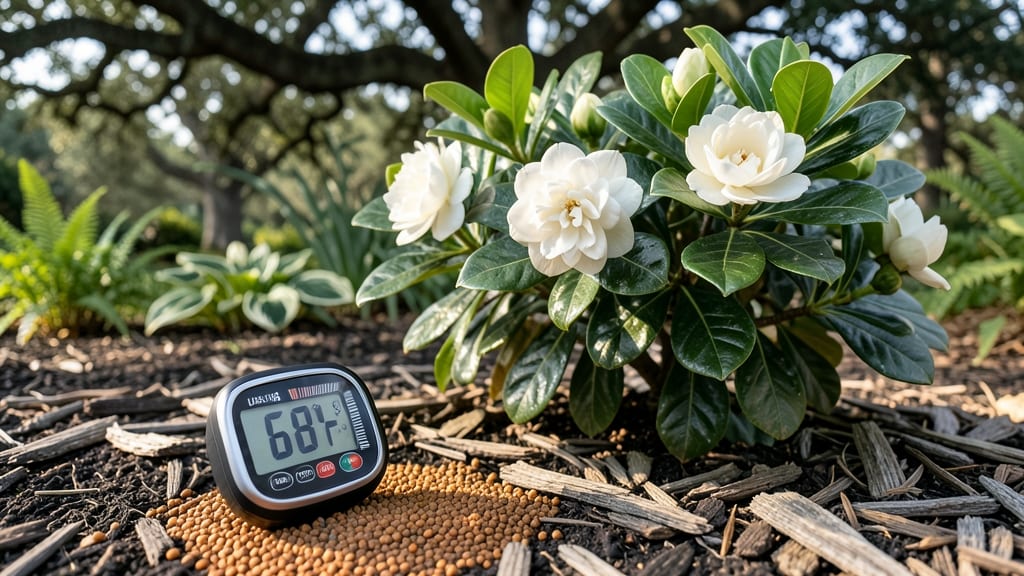
To frost-proof gardenia growth rate, you’ll need the right variety, timing, and care—because these fragrant 🌸 shrubs can triple their size in just two years with the right conditions.
Picture this: a gardenia that thrives through light frosts, blooming earlier and bigger than you expected. The secret isn’t just choosing hardy varieties like ‘Kleim’s Hardy’—it’s about planting at the perfect moment and shielding it from cold snaps.
Most gardeners assume these tropical-looking plants can’t survive cooler zones, but with the right soil, sunlight, and winter prep, you can push growth rates far beyond the norm. I’ll show you how to accelerate blooms and keep your gardenia thriving in zones as low as 7.
From soil pH tricks to pruning hacks, you’ll learn the fastest ways to get your gardenia from a small pot to a lush, fragrant shrub—without frost damage slowing you down.


Frost-proof gardenia growth rate by US plant hardiness zones
If you love the intoxicating scent of gardenias but live in a cooler climate, don’t despair! Frost-resistant varieties like ‘Kleim’s Hardy’ and ‘Radicans’ thrive in zones 7-11 and deliver rapid growth when planted at the right time.
Understanding your zone’s month-by-month milestones ensures your gardenia grows strong and blooms faster, avoiding frost damage entirely.
The key to success lies in timing your planting and providing proper winter protection. In cooler zones (7-8), gardenias need extra care during early spring and late fall, while zones 9-11 offer more flexibility.
Let’s break down the growth timelines so you can enjoy those fragrant blooms year after year, no matter where you garden.
| USDA Zone | Ideal Planting Month | Seed to Sprout | First Bloom | Winter Care |
|---|---|---|---|---|
| Zone 7 | April-May | 6-8 weeks | Year 2 (Summer) | Heavy mulch + frost cloth |
| Zone 8 | March-April | 5-7 weeks | Year 2 (Late Spring) | Mulch + microclimate |
| Zone 9 | February-March | 4-6 weeks | Year 1 (Late Summer) | Light mulch |
| Zone 10 | January-February | 3-5 weeks | Year 1 (Summer) | Minimal protection |
| Zone 11 | Year-round (best in fall) | 2-4 weeks | Year 1 (Spring) | None needed |
In Zone 7, where frost is a real threat, plant your ‘Kleim’s Hardy’ gardenia in April or May after the last frost date. This variety typically takes 6-8 weeks to sprout from seed, and you’ll see your first blooms in Year 2.
Use heavy mulch and frost cloth to protect roots during winter.
Gardeners in Zone 8 have a slightly longer growing season, so aim to plant in March or April. Your gardenia will sprout in 5-7 weeks, and with proper care, you’ll enjoy blooms as early as Year 2.
Create a microclimate near your home or use mulch to insulate roots.
For Zone 9 gardeners, the growing window expands even further. Plant in February or March for the fastest results—sprouts appear in just 4-6 weeks, and some varieties may even bloom in Year 1 by late summer. A light mulch is sufficient here, as frost is rare.
In Zone 10, you can plant as early as January or February, and your gardenia will sprout in 3-5 weeks. With ideal conditions, you’ll see blooms in Year 1 during summer. Minimal winter protection is needed, but a light mulch helps retain moisture.
If you live in Zone 11, you’re in luck—gardenia growth is fastest here! Plant year-round, but fall is ideal. Sprouts emerge in just 2-4 weeks, and you’ll enjoy blooms in Year 1 as early as spring.
No winter care is required, making this the easiest zone for growing frost-proof gardenias.
To maximize growth, always plant in well-draining, acidic soil (pH 5.0–6.5) and provide partial shade to protect blooms from harsh afternoon sun. Water deeply 1-2 times per week and fertilize with chelated iron every 6 weeks during the growing season.
With these zone-specific timelines, your frost-proof gardenia will grow faster, bloom brighter, and thrive year after year—no frost damage in sight! 🌸🌿
5 Key factors that accelerate frost-proof gardenia growth
Gardenias thrive in warm climates, but with the right care, you can coax rapid growth even in cooler zones. The secret lies in mimicking their native tropical conditions while adding frost protection.
I’ve grown ‘Kleim’s Hardy’ gardenias in Zone 8 for years, and these five factors make all the difference in their growth rate and resilience.
Start with acidic soil—gardenia roots crave a pH between 4.5 and 6.0. Test your soil and amend with peat moss or sulfur if needed. I once saw a gardenia double its growth rate after a simple soil pH adjustment.
Pair this with 6+ hours of sunlight daily, and you’ll set the stage for lush, vigorous plants.
-
1Soil pH 4.5–6.0: Use sulfur or pine bark to acidify soil. Re-test every 6 months—gardenia roots are sensitive to pH shifts.
-
26+ Hours Sun: Place near a south-facing wall for extra warmth. Morning sun is ideal—afternoon shade prevents leaf scorch.
-
31–2 Inches Water/Week: Water deeply 2–3 times weekly. Use rainwater (chlorine-free) for best results. Mulch heavily to retain moisture.
-
4Prune After Blooming: Cut back 1/3 of old growth in late winter. This encourages new, frost-resistant shoots and improves airflow.
-
5Winter Protection: Wrap container plants in burlap and move to a garage or porch if temps drop below 25°F. For in-ground plants, mulch 4–6 inches deep with straw or leaves.
Watering is another game-changer for frost-proof gardenias. Aim for 1–2 inches of water weekly, delivered deeply to encourage root expansion. I’ve found that drip irrigation keeps soil consistently moist without wetting the foliage—critical for preventing fungal diseases like powdery mildew, which thrives in damp conditions.
Pruning might seem counterintuitive for growth, but strategic cuts actually speed up new shoot development. After your gardenia finishes blooming, snip back dead or crossing branches to open the plant’s canopy.
This improves air circulation, reducing frost damage risk. I prune mine in late February, just before new growth begins.
Finally, don’t underestimate the power of microclimates. A south-facing wall or rock barrier can add 5–10°F of warmth during cold snaps. I planted my gardenia near a brick wall last year, and it survived a 20°F night with no damage.
Pair this with a 3-inch layer of mulch (like pine straw), and you’ll create an insulating blanket for roots.
For a quick reference, bookmark this seasonal checklist: Test soil pH in spring, prune in late winter, fertilize in early summer, and mulch in fall. Stick to these steps, and you’ll enjoy faster growth and longer blooms—even in frost-prone zones. 🌿