
Planting
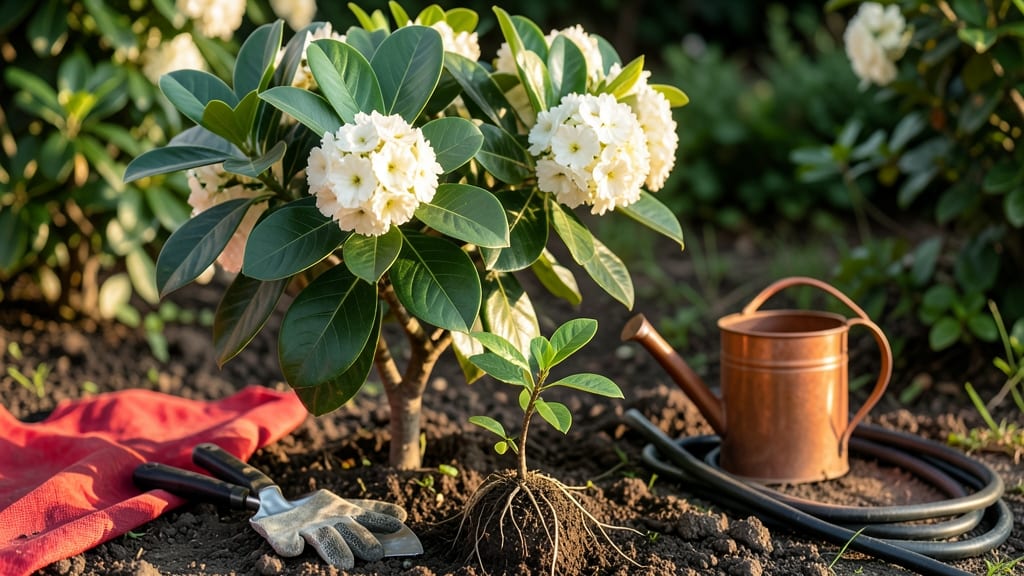
The best time to plant gardenias is late winter to early spring, when soil temperatures rise and frost risks fade away 🌸 — a window that transforms your yard into a fragrant paradise by summer.
Picture this: you’ve just tucked in a gardenia, its glossy leaves promising future blooms, only to watch it languish because you planted it too early. That’s the difference between a thriving shrub and years of frustration.
In USDA Zone 9b, where frost is rare, February through March is your sweet spot—but timing shifts dramatically in cooler zones like 7a.
Why does this matter? Gardenias are finicky about soil warmth and moisture. Plant them too soon, and roots struggle in cold earth; too late, and summer’s heat stresses young plants before they establish.
The key is balancing soil temperature, rainfall patterns, and your local microclimate—whether you’re in Florida’s humidity or the Deep South’s dry spells.
Below, I’ll break down the exact planting windows by zone, soil prep secrets, and post-planting care to ensure your gardenia not only survives but bursts into fragrant blooms by summer. No more guesswork—just lush, fragrant success.


Optimal planting windows for gardenias by USDA Zones (Southern exposure guide)
If you're dreaming of fragrant gardenias filling your Southern garden with their intoxicating scent, timing is everything. Unlike hardy perennials, gardenias demand precise conditions to establish roots before summer's heat arrives.
In USDA Zones 7-10, where I've grown these beauties for years, the difference between a thriving shrub and a struggling one often comes down to when you plant—not just how you plant.
Gardenias are tropical at heart but surprisingly adaptable to the South's varied climates. The Gulf Coast's humidity (Zones 8-10) creates different challenges than the Deep South's hot summers (Zones 7-8), while Florida's microclimates can shift ideal planting windows by weeks.
Let's break down the science behind these differences so you can plant with confidence—whether you're tucking a potted gardenia into your landscape or setting bare-root plants in the ground.
| USDA Zone | Best Planting Window | Soil Temp Threshold | Frost-Free Cue | Container Adjustment |
|---|---|---|---|---|
| Zone 7a-7b | Mid-April to early May | 60°F+ consistently | After azalea blooms (late April) | Plant 2-3 weeks earlier |
| Zone 8a-8b | Late March to April | 55°F+ at night | After last frost (mid-March) | Standard timing works |
| Zone 9a-9b | February to early March | 50°F+ daytime | No frost risk | Plant by mid-February |
| Zone 10a-10b | January to February | 45°F+ minimum | After Christmas cactus blooms | Can plant year-round |
| Florida Microclimates | North FL: Feb-March | Central/South FL: Dec-Jan | 50°F+ (coastal) / 45°F+ (interior) | After orange blossoms | Coastal: 1 month earlier |
For Zone 7 gardeners, timing is critical because gardenias planted too early can suffer from spring frosts that damage tender roots. I've seen gardeners in Atlanta and Birmingham plant in March only to watch their new shrubs struggle when temperatures dip below 32°F.
The key is waiting until soil temperatures stay above 60°F consistently—use a soil thermometer if you're unsure.
In Zones 8-9, where I garden in North Florida and Georgia, the window opens earlier. Here, gardenias can handle mild winters, but planting in late winter gives roots time to establish before summer's intense heat.
I've found that February plantings in Zone 9 often bloom the same year, while March plantings in Zone 8 take until the second summer to reward you with fragrance.
Container gardenias offer flexibility for Zone 10 gardeners in places like Houston and Miami, where you can plant almost year-round. However, I recommend January-February for in-ground plantings to avoid summer's brutal heat stress.
For containers, you can even overwinter them indoors in cooler microclimates like South Texas highlands and bring them out when temperatures stabilize.
The Gulf Coast's humidity creates unique challenges—gardenias planted too early may develop fungal issues from prolonged soil moisture. In Mobile or New Orleans, I adjust by planting 1-2 weeks later than the general Zone 8 guideline and using elevated beds to improve drainage.
For Florida's interior (like Tallahassee or Gainesville), the drier climate allows slightly earlier plantings, but I still wait until azaleas finish blooming as my natural cue.
One critical mistake I see repeatedly is planting gardenias when soil is still cold. Even in warm zones, nighttime temperatures below 50°F can stunt root growth. Use your hand as a guide: if the soil feels cooler than your wrist, wait a few more weeks.
For container plantings, this rule is less strict since pots warm up faster, but I still recommend acclimating them outdoors gradually to avoid shock.
After planting, mulching deeply (3-4 inches) with pine bark or cypress mulch helps maintain consistent soil temperatures—this is especially important in Zone 7's fluctuating springs. I've noticed gardenias planted with proper mulch in April often outperform those planted in March without mulch, thanks to the
5 Critical signs your gardenia planting timing is perfect (or wrong)
Planting gardenias at the wrong time can mean years of struggling with stunted growth or sparse blooms. But when you nail the perfect timing, your gardenia will reward you with glossy leaves and intoxicating fragrance within months.
The key? Pay attention to nature's subtle cues—your gardenia is basically sending you a plant SOS when conditions aren't right.
Southern gardeners have a unique advantage: our warm climate means we can plant gardenias almost year-round, but peak timing still matters. The difference between a thriving shrub and a struggling one often comes down to soil temperature, leaf color, and even when your local hummingbirds start visiting.
Let's break down the five non-negotiable signs your gardenia is ready for planting—or when you should wait.
-
1Soil Temperature: 60°F+
Use a soil thermometer—gardenias hate cold roots. In Zones 7-9, aim for late February to March when soil warms consistently. If it's still below 60°F, wait.
-
2Leaf Color: Vibrant Green
Yellowing or purplish leaves signal stress—often from too-early planting. Healthy gardenia leaves should be deep green and glossy. If yours look dull, delay planting by 2-4 weeks.
-
3Root Health: White and Firm
Inspect roots before planting—healthy roots are white or light tan. Dark, mushy, or black roots mean rot from overwatering or planting too late in the season. Trim any damaged roots with clean shears.
-
4Seasonal Cues: Azaleas Blooming
When your neighbor's azaleas burst into color (usually March-April in the South), it's your gardenia's green light. Azaleas bloom when soil and air temps are perfect for gardenias too.
-
5Hummingbird Activity: Daily Visits
See hummingbirds daily at your feeder? That means warmer temps and plenty of pollinators—ideal for gardenia blooms. Plant when you spot them consistently for 3+ days.
One common mistake Southern gardeners make is planting gardenias too early—think January or early February—when soil is still cool. This causes root shock and delays blooming by months.
Another red flag? If your gardenia's buds form but drop before opening, it's a classic sign of stress from poor timing.
For container gardenias, timing is slightly more flexible since you can move pots to warmer microclimates. But even then, wait until nighttime temps stay above 55°F consistently.
Pro tip: If you're in Zone 8 or cooler, aim for after Easter—this natural marker aligns with soil warming trends in most Southern regions.
Remember, gardenias thrive on routine and warmth. When you plant at the right time, you're not just giving your shrub a head start—you're setting it up for years of fragrant blooms.
Keep an eye on those leaves, soil, and seasonal cues, and your gardenia will thank you with glossy foliage and heavenly scent starting next summer. 🌸