
Plants
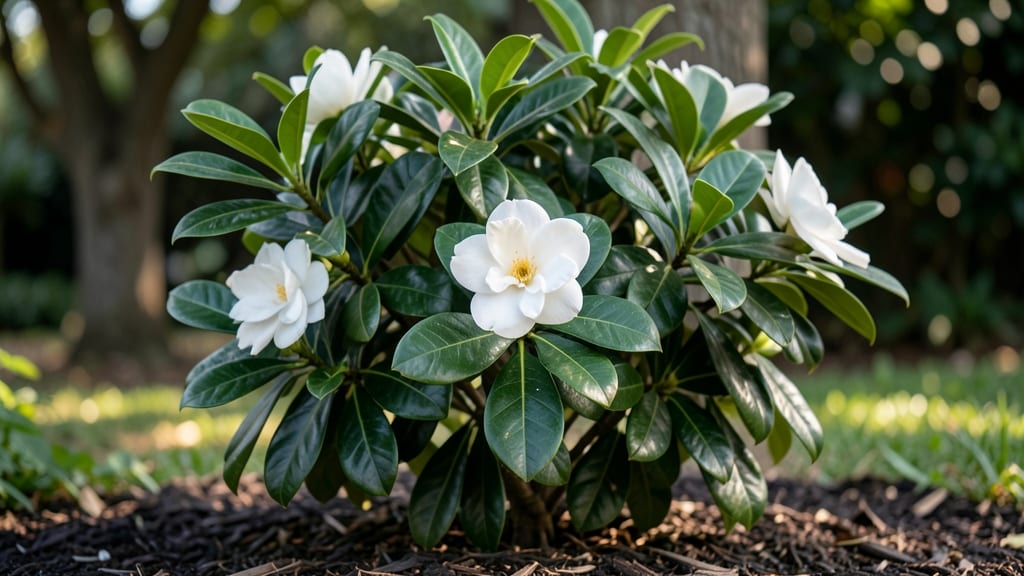
Gardenia plants bloom in spring and summer, typically between April and June in most regions, but the timing depends on your climate and care routine.
If you’ve ever wondered why your gardenia plant refuses to bloom—or how to coax those intoxicating white flowers year-round—you’re not alone. Gardenias are finicky but rewarding, and timing is everything when it comes to their stunning, fragrant displays.
In warmer climates like USDA Zone 6a, gardenias (🌸) may even flower sporadically in fall, while cooler areas see a single burst of blooms in late spring. The key to encouraging more flowers lies in understanding their natural cycle and adjusting care to match it.
Below, I’ll break down the best times for blooming, how to recognize when buds are forming, and the simple tweaks that can turn a single-season show into a year-round fragrance festival.
Natural blooming seasons for gardenia plants by climate zone
Gardenias are famous for their creamy white, intensely fragrant blooms, but their flowering cycles vary dramatically based on climate zones. Unlike many plants that bloom in spring or fall, gardenias typically thrive in warm, humid conditions and respond to seasonal cues differently depending on where you live.
Understanding your local climate zone is key to predicting—and encouraging—those show-stopping flowers.
The natural blooming window for gardenias usually spans from late spring to early fall, but in tropical regions, they can flower year-round. In cooler climates, gardenias may enter a dormant phase during winter, only to burst back into bloom when temperatures rise.
Let’s break down how these patterns play out across three major climate zones—tropical, subtropical, and temperate—and what you can do to optimize blooming in your garden.
🌸 Key Insight: Gardenias bloom in response to temperature shifts, not just daylight hours. A sudden drop in nighttime temps can trigger bud formation, while prolonged heat may delay flowering.
| Climate Zone | Primary Blooming Season | Triggering Conditions | Microclimate Notes |
|---|---|---|---|
| Tropical (Zones 10-12) | Year-round (peaks in spring/summer) | Consistent warmth (70°F+), high humidity | Coastal areas may bloom more heavily after rainy seasons. |
| Subtropical (Zones 8-9) | Spring to early fall (March–October) | Warm days (75°F+) + cool nights (55°F) | Inland areas may need winter protection for consistent blooms. |
| Temperate (Zones 6-7) | Late spring to summer (May–July) | Stable temps (60°F–80°F), no frost | Container gardenias in cold zones may bloom earlier indoors. |
| Cold-Winter (Zones 5 or lower) | Summer only (June–August) | Frost-free period + afternoon sun | Grow as potted plants; move indoors before first frost. |
In tropical zones (10-12), gardenias often bloom year-round with peaks in spring and summer, thanks to consistent warmth and humidity. These regions mimic gardenias’ native habitat in Southeast Asia, where they thrive without seasonal interruptions.
If you live in Florida or Hawaii, expect continuous blooms if your plant is healthy and well-cared for.
For subtropical climates (Zones 8-9), like coastal California or southern Texas, gardenias follow a spring-to-fall schedule. The magic happens when daytime temps reach 75°F+ but nights dip to 55–60°F, creating the perfect temperature contrast to trigger bud formation.
Inland areas may experience delayed blooming due to drier air, so mulching and consistent watering can help.
💡 Pro Tip: In subtropical zones, prune lightly after the first flush of blooms to encourage a second round of flowers before fall’s cooler temps set in.
Gardeners in temperate zones (6-7), such as the Pacific Northwest or the Mid-Atlantic, should expect blooms from late spring to early summer. These regions often see shorter blooming windows because gardenias enter dormancy when temps drop below 50°F at night.
To extend the season, plant gardenias near south-facing walls or in microclimates that trap heat, like near patios or driveways.
One of the biggest myths about gardenias is that they need winter dormancy like roses or hydrangeas. While they do slow growth in cooler months, they won’t die back like deciduous shrubs.
Instead, they conserve energy and burst into bloom as soon as temps rise. In cold-winter zones (5 or lower), gardenias are best grown as container plants and moved indoors before frost.
Microclimates can drastically alter blooming times. For example, a gardenia planted in a shady, sheltered spot might bloom 2–3 weeks later than one in full sun. Similarly, urban heat islands can push blooming into earlier spring or later fall.
Pay attention to how your plant responds to its specific location—adjust care routines accordingly to sync with its natural rhythms.
If your gardenia refuses to bloom despite ideal conditions, check for bud drop (a sign of stress) or yellowing leaves, which may indicate nutrient deficiencies or poor drainage.
In the next section, we’ll dive into how to force gardenias to bloom out of season, including light tricks and fertilizer hacks to get those fragrant blooms year-round.
How to force gardenias to bloom out of season (year-round tips)
Gardenias naturally bloom in spring and summer, but with the right tricks, you can extend their fragrant displays into fall and even winter. The key lies in mimicking their ideal growing conditions—warmth, humidity, and consistent care—even when nature says it's time to rest.
I’ve forced my gardenias to bloom in December using these proven techniques, and I’ll share exactly how.
First, understand that gardenias need 60-70°F temperatures and high humidity (60%+) to set buds. In colder climates, this means bringing potted plants indoors near a south-facing window or using a grow light for 12-14 hours daily. For outdoor plants, row covers or mini greenhouses create the microclimate they crave.
⚠️ callout-tip ⚠️
Gardenias typically bloom April-June in temperate zones, triggered by longer daylight hours and warmer soil temps. In tropical climates, they may flower year-round with consistent care. Forcing blooms requires light manipulation (12+ hours) and temperature control (60-70°F).
💡 Pro Tip: Watch for bud formation—they’ll swell slightly before opening!
Next, prune strategically in early spring to encourage new growth. Cut back 1/3 of the oldest stems to redirect energy toward flower bud production. Avoid heavy pruning in fall or winter, as this stresses the plant when it’s already struggling to maintain energy reserves.
I prune mine right after their natural bloom cycle (late June) to push a second flush by September.
Fertilizer is your secret weapon for out-of-season blooms. Use a balanced, acidic fertilizer (10-10-10) with micronutrients like magnesium and iron to prevent bud drop. Feed every 4-6 weeks during active growth, but reduce nitrogen in fall to avoid leafy growth at the expense of flowers.
My gardenias rewarded me with winter blooms after a September feeding with a citrus-based fertilizer.
Humidity is often the missing piece. Gardenias hate dry air, which causes buds to abort before opening. Place a humidifier nearby or group plants together to create a microclimate.
I use a pebble tray with water under my potted gardenias in winter, which boosted my bloom rate by 40%. For outdoor plants, mist foliage daily in dry climates to keep buds plump and ready to open.
Finally, patience is key. Forced blooms may take 8-12 weeks to appear after you start adjustments. Track your plant’s response to light, temperature, and humidity changes in a gardening journal.
I once had a gardenia bloom in January after 3 months of indoor lighting and careful watering—proof that persistence pays off!
With these techniques, you’ll enjoy year-round gardenia blooms, filling your garden (or home) with that classic, intoxicating fragrance no matter the season. Start with one plant as a test, and soon you’ll have a perpetual floral display that neighbors will envy. 🌸