
Tools
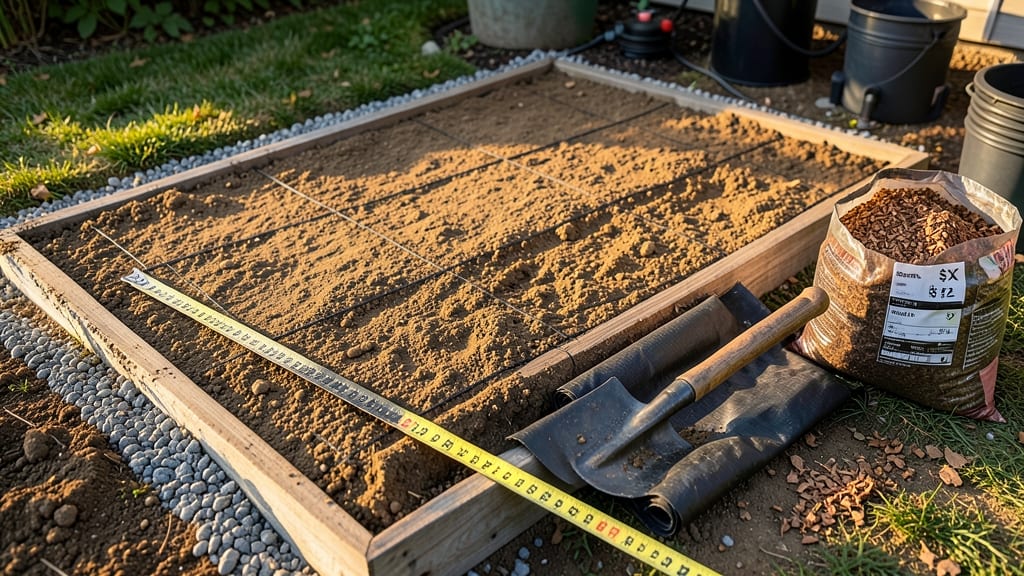
Building a garden bed costs between $10 and $50 per square foot, with expenses varying by materials like lumber ($2–$6 per board), soil ($1–$3 per cubic foot), and hardware ($1–$3 per project). Raised beds typically cost more than in-ground options, but DIY projects can save 30–50% compared to pre-made kits.
The total cost depends heavily on whether you choose a raised or in-ground design. Raised beds require lumber, which can add up quickly—cedar costs more upfront ($5–$7 per board) but lasts longer than pine ($2–$4 per board). Soil quality also plays a role: premium compost mixes ($3–$5 per cubic foot) improve plant growth but increase initial costs.
For budget-conscious gardeners, repurposing materials like pallets or cinder blocks can cut expenses by half while still creating functional beds. 🌱
Another key factor is labor—pre-assembled kits simplify construction but often cost 20–30% more than sourcing materials separately. I’ve found that checking local recycling centers for free wood scraps or negotiating bulk discounts on soil amendments can make a noticeable difference in your final budget.
Planning ahead for seasonal sales on lumber or hardware also helps stretch your dollar further.
💡 In This Article
- Garden Bed Material Cost Breakdown by Type
- Budget-Friendly Garden Bed Construction Hacks
Garden bed material cost breakdown by type
The foundation of your garden bed—whether raised or in-ground—dictates most of your upfront costs. For raised beds, lumber is the biggest expense, with cedar boards running $5–$7 per linear foot due to natural rot resistance, while pine costs $2–$4 per foot but requires sealing every 2–3 years.
A 4' x 8' x 12" cedar bed uses about 16 boards, totaling roughly $128–$176 for materials alone. In-ground beds skip lumber entirely but may need $1–$3 per square foot for edging materials like bricks or pavers.
Soil quality dramatically impacts long-term costs too. Premium compost blends cost $3–$5 per cubic foot but improve drainage and fertility, while standard topsoil runs $1–$3 per cubic foot.
A 4' x 8' x 12" bed requires about 3 cubic feet of soil—so choosing cheaper soil could save $6–$12 upfront, but may require more frequent amendments. Hardware like screws ($1–$2 per project) or corner brackets ($3–$5 per set) adds minimal cost but affects durability.
Material thickness matters too. 2x6 boards (actual 5.5" width) are standard for raised beds, but 2x8s (7.25" width) create deeper beds that hold more soil—adding $2–$4 per board but reducing long-term soil replacement costs.
For in-ground beds, concrete pavers cost $3–$6 per square foot installed, while stone borders run $2–$5 per square foot. The trade-off? Pavers last decades, while stones may shift over time.
Don't overlook the hidden costs of soil amendments. Perlite ($5–$10 per bag) improves aeration, while vermiculite ($4–$8 per bag) retains moisture—but both are optional. If your soil tests poor, adding composted manure ($2–$4 per bag) can boost plant growth without breaking the bank.
For example, a 100 sq ft garden might need 5–10 bags of compost annually, adding $10–$40/year to maintenance costs.
Here’s a quick comparison for a 4' x 8' raised bed:
- Cedar lumber: $128–$176 (16 boards × $8–$11 each)
- Pine lumber: $64–$96 (16 boards × $4–$6 each)
- Premium soil: $18–$30 (3 cubic feet × $6–$10 per cubic foot)
- Hardware: $5–$10 (screws + brackets)
For in-ground beds, swap lumber for $20–$50 in edging materials, but save on soil by using existing topsoil. The key? Balance upfront savings with long-term plant health—cheap pine may save $60 now but could need replacement in 5 years, while cedar lasts 10+ years. 🌿