
Tools
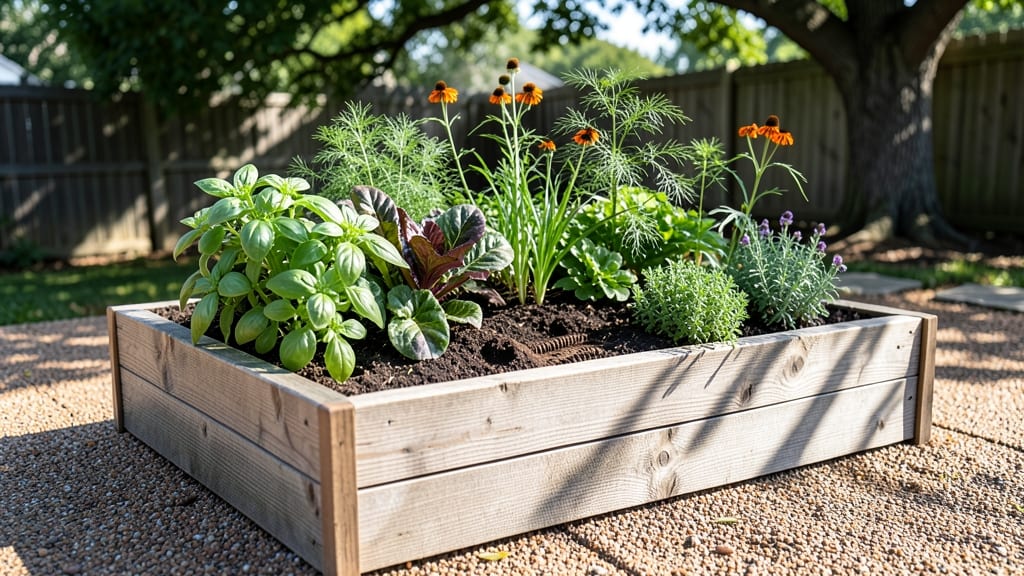
The standard raised garden bed size is designed to be 4 feet wide by 8 feet long with a depth of 6 to 12 inches, ensuring easy access from all sides while optimizing soil quality and plant growth.
The standard raised garden bed size strikes the perfect balance between reachability and planting efficiency. A 4-foot width lets you garden comfortably from both sides without stepping inside, while an 8-foot length maximizes growing space without overwhelming small yards.
The 6-12 inch depth provides enough room for root systems while preventing soil compaction. 🌱 Many gardeners also appreciate how this size fits neatly against fences or patios, making it ideal for urban spaces where every inch counts.
What's interesting is how these measurements address common gardening challenges. The width prevents soil from becoming too compacted for roots to penetrate, while the length allows for efficient watering and weeding patterns.
For example, a 4x8-foot bed can comfortably accommodate 16 tomato plants spaced 2 feet apart, making it perfect for home gardeners who want to grow a variety of crops without sacrificing accessibility.
💡 In This Article
- Why 4x8 Feet Is the Optimal Raised Garden Bed Size
- Customizing Raised Garden Bed Dimensions for Space and Crops
Why 4x8 feet is the optimal raised garden bed size
The 4-foot width of a standard raised bed is a game-changer for ergonomics and soil health. When you stand on either side, your arms can comfortably reach the center without overstretching—this is why physical therapists often recommend this measurement for gardening tasks.
The 8-foot length creates a long, narrow rectangle that maximizes planting space while maintaining accessibility from all sides. This design mimics the "square foot gardening" method, where each plant gets dedicated space without crowding.
Soil depth plays a crucial role too. A 6-12 inch depth provides enough root space for most vegetables while preventing compaction that occurs in ground-level soil. For example, carrots need 10-12 inches of loose soil to grow properly, while leafy greens thrive in just 6 inches.
The raised structure also improves drainage—water flows freely through the sides, reducing the risk of root rot that plagues many in-ground gardens. 🌱
This size also minimizes weed growth by allowing sunlight to reach the soil surface more effectively. Weeds struggle to establish in the open, well-drained environment of a raised bed, especially when you maintain a 2-3 inch mulch layer.
The standard dimensions also align with lumber measurements (4x8 feet boards), making construction cost-effective and straightforward. Many gardeners report that this size fits perfectly against fences or patios, maximizing small-space gardening potential.
Comparing to other sizes reveals why 4x8 stands out. A 3-foot wide bed might feel too narrow for two-handed tasks, while a 5-foot wide bed forces you to step inside, defeating the purpose.
Similarly, a 12-foot long bed becomes unwieldy to manage—watering and harvesting become inefficient. The 4x8 balance creates a "goldilocks zone" for home gardeners, whether you're growing tomatoes, herbs, or salad greens.
For those with limited mobility, the standard size offers another advantage: it can be built at 30-36 inches height, making it wheelchair-accessible. The depth remains sufficient for root crops while reducing bending. This accessibility feature is why many community gardens and therapeutic horticulture programs adopt these dimensions.
The combination of ergonomics, soil science, and practicality makes 4x8 the most universally adaptable size for home gardeners.
What most people don't realize is how this size impacts plant productivity. Studies show that raised beds with these dimensions maintain 20-30% more consistent moisture than in-ground plots because the soil warms faster in spring and retains heat longer.
This extended growing season means you can plant earlier and harvest later, maximizing your yield per square foot. The standard size essentially creates a microclimate that works in your favor year-round.