
Light Requirements
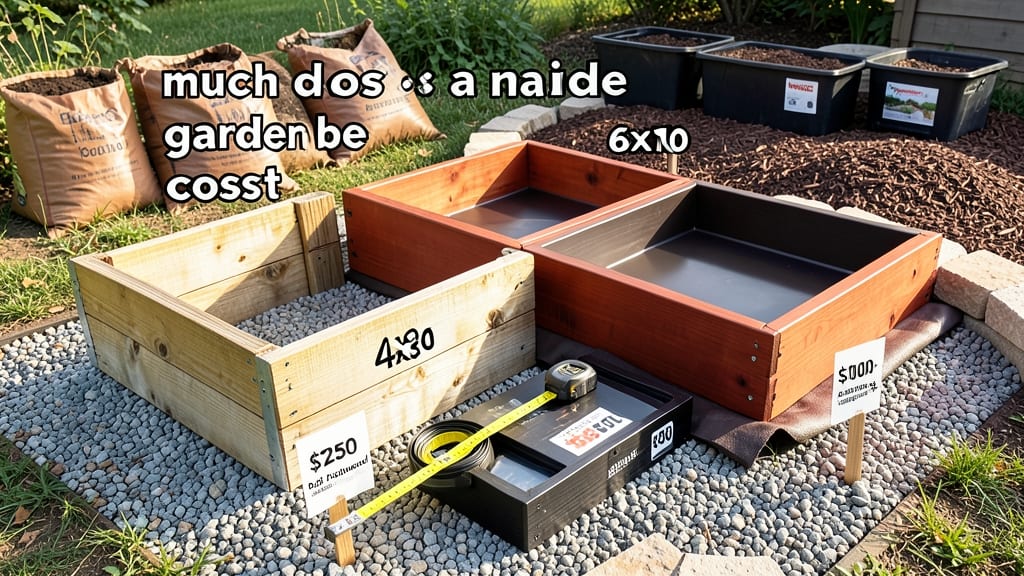
Raised garden beds cost between $100 and $1,500+, with 4'x8' beds typically ranging from $200–$600. Pricing varies based on materials (cedar averages $15–$30 per board, while composite lumber costs more), whether you DIY or purchase prebuilt, and additional expenses like labor and soil preparation.
A raised garden bed's price tag can shift dramatically based on your project's scale and ambitions. 🌱 For example, a simple 2'x4' cedar bed might cost around $150 if you handle assembly yourself, while a 6'x12' composite bed could exceed $1,200 due to material costs and hardware needs.
The real value comes from understanding these variables upfront—whether you're prioritizing longevity, budget, or ease of assembly.
Beyond materials, consider the hidden costs that often sneak into budgets. Soil quality, for instance, can add $50–$200 depending on whether you use store-bought mixes or amend your own. If you're hiring help, labor rates typically run $30–$75/hour, which can quickly push a project over budget.
I always recommend starting with a rough estimate by breaking down each component—materials, tools, and extras—before committing to a design.
💡 In This Article
- Cost Breakdown of Raised Garden Bed Materials
- DIY vs Prebuilt Raised Garden Beds: Cost-Saving Tips
Cost breakdown of raised garden bed materials
The foundation of your raised garden bed's cost lies in the materials you choose, each with distinct pricing and performance characteristics. Cedar, a popular choice, typically costs $15–$30 per board foot due to its natural rot resistance and pleasant aroma.
A standard 4'x8' bed built with 2x6 cedar boards will require about 12–14 boards, bringing the lumber cost to roughly $200–$400 before hardware. Redwood, another durable option, runs 20–50% more expensive per board but offers superior longevity in wet climates.
Composite lumber, made from recycled wood fibers and plastic, eliminates rot and insect concerns but comes at a premium. Prices average $3–$6 per linear foot, meaning the same 4'x8' bed could cost $500–$1,000 just for framing.
The trade-off? These materials last 20–30 years with minimal maintenance, compared to 7–15 years for cedar. For budget-conscious gardeners, recycled plastic lumber offers a $2–$4 per linear foot alternative, though it lacks the natural aesthetic of wood.
Hardware costs often get overlooked but can add $50–$150 depending on quality. Galvanized screws (best for longevity) run $0.50–$1.50 each, while corner brackets provide stability but cost $3–$8 per piece.
The bed's height also impacts material needs—a 12" deep bed requires more lumber than a 6" deep version, increasing costs by 20–30%. For example, a 6'x12' cedar bed at 12" height might cost $800–$1,200 in materials alone.
Durability factors play a hidden role in long-term costs. Cedar beds may need staining every 2–3 years ($50–$100 per application), while composite beds require no treatment. The environmental conditions matter too—beds in coastal areas face salt corrosion, potentially cutting cedar's lifespan by 30%.
I've seen gardeners save $200–$500 over 10 years by choosing the right material for their climate and usage intensity.
Consider these material comparisons for a 4'x4' bed:
- Cedar: $150–$300 (includes 10–12 boards + hardware)
- Redwood: $250–$450 (higher upfront cost, longer lifespan)
- Composite: $400–$700 (no maintenance, 25+ year life)
- Recycled Plastic: $200–$400 (budget-friendly, minimal upkeep)
The material choice directly impacts your bed's lifespan and maintenance requirements, making it the single biggest cost factor after size. For example, upgrading from cedar to composite could double your initial cost but eliminate future staining expenses entirely. 🔥