
Container Gardens
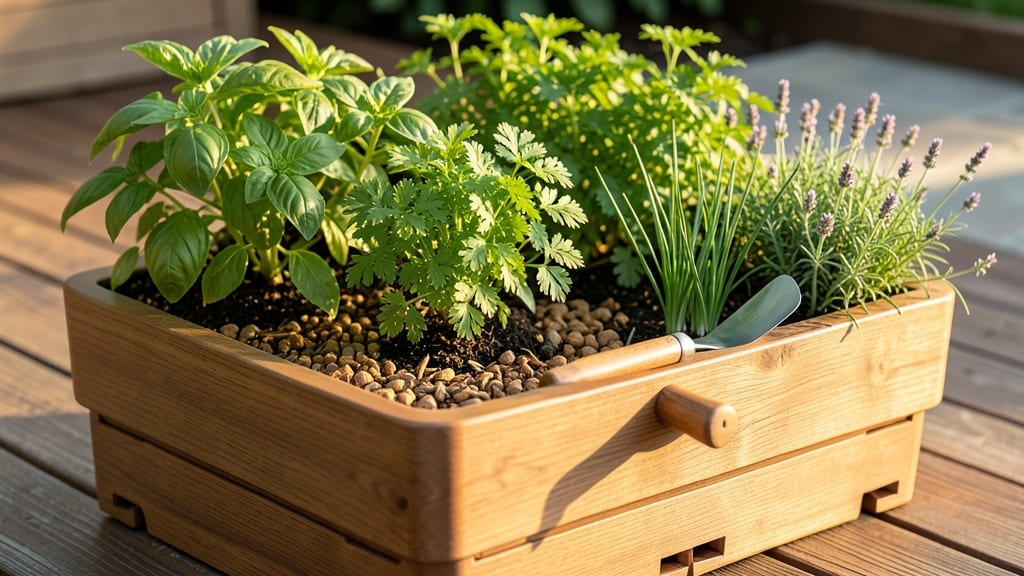
The Costco raised garden planter is a spacious container measuring about 48 inches long, 20 inches wide, and 10 inches deep, providing roughly 2 cubic feet of growing space. Its sturdy build makes it perfect for cultivating a variety of plants while keeping garden beds elevated for easier care.
The Costco raised garden planter is designed to maximize growing potential in limited spaces, making it ideal for urban gardens or small yards. 🌱 Its dimensions allow you to grow multiple plants side by side—think tomatoes, peppers, and herbs—while the elevated height reduces back strain during maintenance.
The durable construction ensures it can handle moist soil and seasonal weight changes without warping, giving you a long-term solution for your gardening needs.
One of the best features is its versatility: you can use it for vegetables, flowers, or even a mix of both. The 10-inch depth is perfect for root crops like carrots or radishes, while the wide surface area lets you fit larger plants like bush beans or lettuce.
Plus, the elevated design improves drainage and keeps pests at bay, making it a smart choice for both beginners and experienced gardeners.
💡 In This Article
- Costco Raised Garden Planter Dimensions and Material Breakdown
- Maximizing Planting Capacity in a Costco Raised Planter
Costco raised garden planter dimensions and material breakdown
The Costco raised garden planter's 48-inch length and 20-inch width create a 96-square-foot planting surface, comparable to a small patio or balcony garden.
This generous footprint lets you grow 4-6 medium-sized plants side by side—like two tomato plants, three pepper varieties, and a row of herbs—while leaving space for pathways between rows.
The 10-inch depth is ideal for most vegetables, though deep-rooted crops like potatoes may need supplemental soil or a deeper companion planter.
Most models feature high-density polyethylene (HDPE) resin, a durable plastic that resists warping, cracking, and rot—unlike untreated wood which can degrade in 2-3 years. The material's smooth surface prevents soil from sticking, making cleanup easier, while its lightweight (typically 15-20 pounds empty) ensures easy repositioning.
Some versions include drainage holes along the bottom edges, which improve airflow to roots and prevent waterlogging—a critical factor for plants like lettuce that hate soggy conditions.
What sets this planter apart is its weight capacity: when filled with soil and plants, it can support up to 500 pounds without sagging. This matters because wet soil weighs 10-15 pounds per cubic foot, and mature plants add even more.
For example, a single tomato plant can reach 5-10 pounds at harvest, so the planter's stability ensures your garden stays upright during heavy rains or wind. The elevated design (typically 6-8 inches off the ground) also reduces soil compaction and improves drainage compared to ground-level beds.
Material choice affects plant health too. HDPE doesn't leach chemicals into soil, making it safer than treated wood for edible gardens. However, the matte black exterior absorbs heat—raising soil temperatures by 5-10°F on sunny days—which can accelerate growth for warm-season crops like peppers but may stress heat-sensitive plants like spinach.
A simple light-colored fabric wrap can mitigate this if needed.
Here’s how the dimensions translate to real-world planting:
- Depth (10 inches): Perfect for carrots (6-inch roots), radishes (1-inch roots), or lettuce (shallow roots). Add 2-3 inches of extra soil for potatoes.
- Width (20 inches): Fits three 6-inch pots side by side or a single 12-inch tomato cage with space to spare.
- Length (48 inches): Allows for two 24-inch rows of bush beans or a continuous herb strip with 12-inch spacing.
Pro tip: If you’re growing heavy feeders like corn or squash, consider reinforcing the base with a wooden pallet underneath to distribute weight evenly. The planter’s modular design also lets you stack two units vertically for a two-tier herb garden, doubling your growing space without expanding your footprint.