
Tools
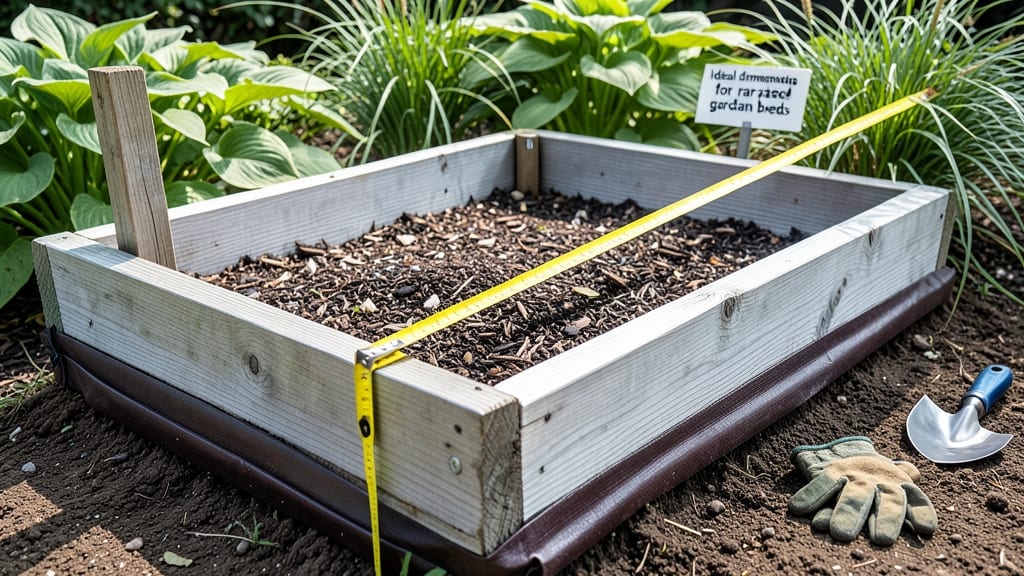
The ideal dimensions for raised garden beds are 4 feet wide with lengths of 6 to 8 feet, allowing easy reach from both sides while maximizing planting space. Height should be 6 to 12 inches for most vegetables and herbs, with deeper beds for root crops like carrots or potatoes.
These dimensions aren't arbitrary—they're designed for efficiency and ergonomics.
A 4-foot width lets you stand comfortably inside the bed without stepping on soil, while lengths of 6-8 feet balance planting space with easy access from all sides. 🌱 For root vegetables, deeper beds (up to 18 inches) give them room to grow without crowding, though most leafy greens thrive in standard-height beds.
I've found that adding 2-3 inch side walls prevents soil spillage while keeping the structure stable.
Pro tip: If you're working with limited space, consider multi-level designs—like stacking beds vertically or creating tiered layouts. This approach lets you grow more without sacrificing accessibility. For example, a 3-foot-wide bed with 4-foot lengths works well for small gardens, though you'll need to reach across the center occasionally.
💡 In This Article
- Why 4-Foot Width Is the Gold Standard for Raised Beds
- Customizing Raised Bed Dimensions for Different Plants
Why 4-Foot width is the gold standard for raised beds
The 4-foot width standard isn't just a rule of thumb—it's rooted in human ergonomics and plant biology. When you stand inside a 4-foot bed, your arms naturally extend to the center without strain, making weeding, harvesting, and planting effortless.
Studies show that reaching beyond 2 feet from either side requires awkward stretching, which can lead to back pain over time. This width also aligns with the 18-inch spacing most plants need for optimal air circulation and sunlight penetration.
Soil depth plays a crucial role too. A standard 6-12 inch height provides enough rooting space for most vegetables while keeping the bed lightweight enough for DIY construction.
For example, leafy greens like lettuce and spinach thrive in 6-8 inches of soil, while herbs such as basil and parsley need only 4-6 inches.
The extra depth in taller beds (up to 12 inches) accommodates root crops like beets or radishes, which can grow up to 6 inches deep. 🌱
Width directly impacts planting density and maintenance efficiency. A 4-foot bed allows you to plant in neat rows while leaving walkways (typically 2-3 feet wide) between beds for easy access. This layout reduces soil compaction from foot traffic and makes it easier to pull weeds or check for pests.
I've noticed that narrower beds (3 feet) force you to step inside, which compresses soil and disrupts root systems, while wider beds (> 5 feet) create a "dead zone" in the center that's hard to reach.
Accessibility is another key factor. The 4-foot width ensures you can comfortably stand inside without bending or kneeling, which is especially important for gardeners with mobility challenges. This design also makes it easier to use tools like hoes or trowels effectively across the entire bed.
For example, a 4x8-foot bed gives you 32 square feet of planting space—enough for a full season's worth of vegetables—while keeping the bed manageable for a single person to maintain.
Consider the soil temperature gradient too. In raised beds, the soil warms up faster in the center due to direct sunlight, creating a microclimate that's ideal for heat-loving plants like tomatoes or peppers. The 4-foot width ensures this warm zone is accessible without requiring you to stretch.
For cooler climates, you can add a 2-inch layer of straw mulch to retain heat while preventing soil erosion from rain.
Finally, this width works perfectly with common lumber sizes. A 4x8-foot bed uses standard 2x6 or 2x8 boards, which are affordable and easy to find. The 8-foot length maximizes space while keeping the bed stable—longer beds (> 10 feet) risk sagging or becoming too heavy to move.
For urban gardens, you can split this into two 4x4-foot beds to create a more compact, accessible layout.