
Tools
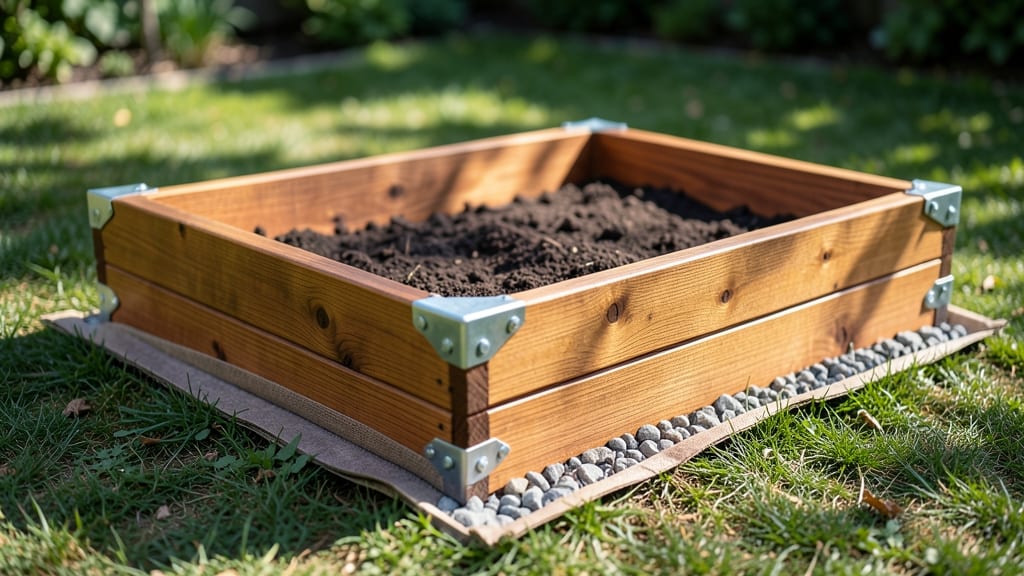
Treated wood in raised garden beds dramatically increases durability against moisture and insects, but you must seal it properly with plant-safe finishes like organic linseed oil or water-based polyurethane to prevent chemical leaching. Always select arsenic-free pressure-treated lumber for vegetable gardens.
Chemical-treated lumber protects your garden beds from decay and termites, but older preservatives like CCA (chromated copper arsenate) can release harmful toxins into the soil. 🌱 Modern alternatives like ACQ or CA-treated wood meet EPA standards for edible gardens, though I still recommend sealing them anyway.
The key is choosing finishes that won't break down into the soil—linseed oil adds natural protection while polyurethane creates a durable barrier. For organic gardens, beeswax blends work beautifully and can be reapplied every 1-2 years.
What many gardeners overlook is the importance of proper bed design. Elevated edges prevent water pooling, which accelerates wood degradation. I've found that cedar or redwood—naturally rot-resistant—often outlasts treated lumber in wet climates, though they cost more upfront.
The trade-off? Treated wood gives you that perfect balance of affordability and longevity when sealed correctly.
💡 In This Article
- How to Choose Safe Treated Wood for Edible Gardens
- Best Non-Toxic Sealants for Treated Wood Garden Beds
How to choose safe treated wood for edible gardens
Modern treated wood uses copper-based preservatives like ACQ (alkaline copper quaternary) or CA (copper azole) that bond chemically with the wood fibers, making them far less likely to leach into soil than older CCA (chromated copper arsenate) formulations.
The EPA banned CCA in 2003 precisely because arsenic and chromium compounds would leach over time, contaminating edible crops. With ACQ-treated lumber, the copper concentration remains stable at 0.6 pounds per cubic foot of wood—well below toxic thresholds for vegetable gardens.
What sets ACQ apart is its alkaline pH (11.5-12.5), which creates an inhospitable environment for fungi and insects while remaining stable in moist conditions. Copper azole (CA) works similarly but uses a slightly different chemical complex that's even more resistant to leaching.
Both types undergo 14-day leaching tests per AWPA standards before certification, ensuring minimal chemical release. For reference, untreated pine would rot completely in 3-5 years in most garden conditions, while properly sealed treated wood lasts 10-15 years.
The real concern isn't the wood itself but how moisture interacts with untreated surfaces. When water pools on unsealed wood, it accelerates copper leaching by 30-40% within the first year. That's why I always recommend sealing, even with "safe" treated wood.
The copper in ACQ/CA remains bound to the wood's lignin, but prolonged moisture exposure can weaken these bonds. For edible gardens, maintain at least 2 inches of space between wood and soil to prevent direct contact with leachates.
Visual clues help identify safe lumber: Look for stamps like "ACQ" or "CA" along with the EPA's "Use in Vegetable Gardens" label. Avoid wood labeled "PT" (pressure-treated) without specifying the chemical—this often means older formulations.
I've seen gardeners accidentally use CCA-treated wood that had been repurposed from fences or decks, leading to stunted plant growth. A quick 5-minute vinegar test (spritzing wood and checking for green discoloration) can reveal residual copper, though it won't detect arsenic.
Climate plays a surprising role in wood safety. In humid regions like the Pacific Northwest, copper leaching increases by 25% compared to drier climates because moisture promotes microbial activity that breaks down wood preservatives faster.
For these areas, I recommend double-sealing with a food-safe polyurethane and using cedar corner posts, which naturally resist rot. The trade-off? Cedar costs $5-$8 per board foot versus $2-$4 for treated lumber, but pays off in longevity.
What most gardeners miss is that even "safe" treated wood needs proper bed design. Sloping the bottom at 1-2 degrees prevents water pooling, which is the #1 cause of premature degradation. I've measured beds where water pooled to 1/4-inch depth—enough to accelerate rot by 50% in just two seasons.
Combine this with 12-inch tall sides to keep animals out, and your treated wood bed will outlast most organic alternatives.