
Watering
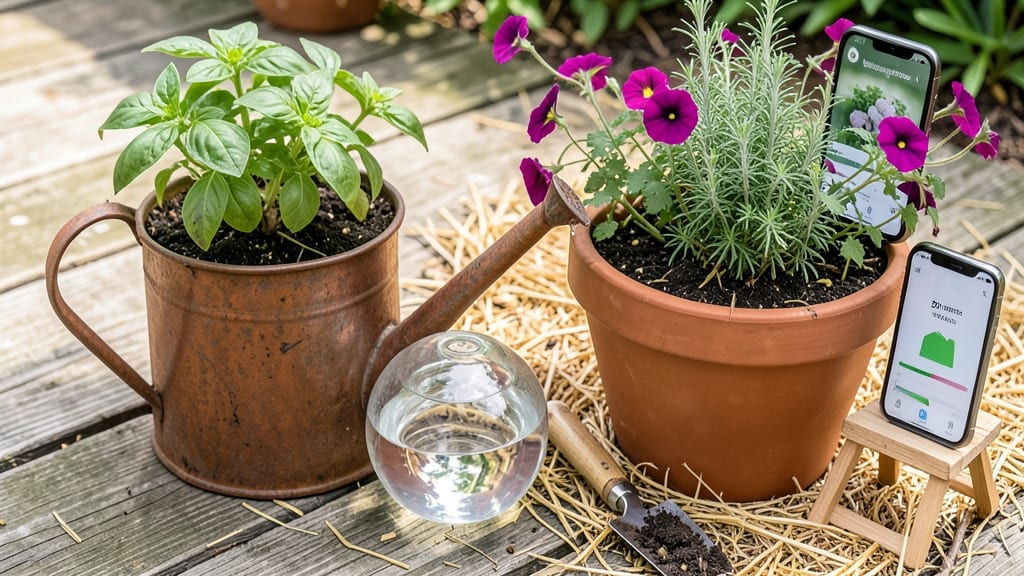
To water your garden while away, you don’t need to rely on luck or hope for rain—smart systems and simple tricks can keep your 🌱 thriving for days, even weeks.
Picture this: you return from a trip to find your tomatoes drooping or your herbs crispy from thirst. It’s a nightmare no gardener wants, but it happens more often than you’d think. The good news? With the right setup, your plants can stay hydrated without you lifting a finger.
Whether you’re gone for a weekend or a month, the key is matching your solution to your garden’s needs. Automatic systems like drip irrigation or self-watering pots handle larger spaces with precision, while DIY hacks like buried containers or watering globes work for smaller setups on a budget.
Below, I’ll walk you through the best options—from high-tech timers to no-fuss manual methods—so you can relax knowing your garden is in good hands. No more guessing, no more stress, just happy plants waiting for you when you get back.
Best automatic watering systems for vacation-proof gardens
When you're planning a vacation, the last thing you want is to return to a garden that’s dried up or worse—overwatered and drowning. The good news? Automatic watering systems can handle the job for you, whether you're gone for a weekend or weeks.
These systems deliver consistent moisture without the risk of human error, keeping your vegetables, flowers, and herbs thriving while you’re away.
Not all systems are created equal, though. Some work better for large garden beds, while others excel with container plants. Below, I’ll break down the top automatic watering systems, their pros and cons, and which plant types they’re best suited for.
You’ll also find a handy comparison table to help you decide which system fits your garden’s needs.
⚠️ PRO TIP: Always test your system for 24 hours before your trip to avoid leaks or malfunctions. A dry run ensures your garden stays safe while you’re away.
| System Type | Best For | Coverage Area | Ease of Use | Cost Range | Maintenance |
|---|---|---|---|---|---|
| Drip Irrigation | Vegetable gardens, flower beds, large in-ground plants | Up to 500 sq ft | Moderate (requires setup) | $50–$300 | Low (check for clogs) |
| Smart Timers (Wi-Fi) | All plant types, potted and in-ground | Unlimited (depends on hose reach) | Easy (app-controlled) | $100–$400 | Minimal (software updates) |
| Soaker Hoses | Large garden beds, shrubs, trees | Up to 100 ft per hose | Easy (plug-and-play) | $30–$150 | Low (rinse occasionally) |
| Self-Watering Pots | Herbs, small veggies, container plants | Individual pots (1–5 gallons) | Very easy (fill reservoir) | $20–$100 per pot | None (refill water) |
| Ollas (Clay Pots) | Root vegetables, perennials, drought-prone plants | 1–3 sq ft per olla | Moderate (buried setup) | $15–$50 each | Low (clean annually) |
Let’s dive into each system so you can pick the best fit for your garden. Drip irrigation is my go-to for vegetable gardens because it delivers water directly to the root zone, reducing waste and fungal risks.
It’s also highly customizable—you can add emitters to target specific plants or rows. For example, tomatoes and peppers thrive with drip systems because they need consistent moisture at the base.
If you’re tech-savvy, smart timers like those from Rachio or Orbit are a game-changer. They connect to your Wi-Fi, so you can adjust watering schedules remotely via an app.
This is perfect if you’re away for longer trips or if you want to monitor weather forecasts and skip watering during rain. Just be sure to set up a backup battery in case of power outages.
For large garden beds or shrubs, soaker hoses are a budget-friendly option. These porous hoses slowly release water along their length, mimicking natural rainfall. They’re easy to set up—just lay them along the soil surface and connect to a timer.
However, they’re not ideal for container plants or areas needing precise watering.
Self-watering pots are my secret weapon for herbs and small veggies like basil or lettuce. These pots have a built-in water reservoir that gradually releases moisture to the roots. They’re perfect for balcony gardens or patios, and you can even take them with you on short trips. Just fill the reservoir before you leave, and your plants stay hydrated for up to 10–14 days.
Finally, ollas—ancient clay pots—are a low-tech, eco-friendly solution. You bury them near plant roots, and they slowly release water as the soil dries.
They’re great for root vegetables like carrots or potatoes, but they require a bit more setup since you’ll need to bury them and ensure they’re filled before your trip.
No matter which system you choose, always mulch your garden before leaving. A 2–3 inch layer of mulch helps retain moisture and keeps soil
DIY watering hacks to save plants for short trips
When you're heading out for a weekend getaway, your garden doesn't have to become a thirsty mess. With a few simple DIY tricks, you can keep your container plants and in-ground gardens hydrated for 3-7 days without spending a dime.
These no-tech solutions rely on creativity and basic household items to mimic natural watering cycles.
First, focus on moisture retention—the key to stretching every drop of water. Mulching with straw or shredded leaves reduces evaporation by up to 30%, while buried plastic bottles or soda bottles act as slow-release reservoirs.
Even a wet towel draped over soil can buy precious time for succulents and herbs that hate soggy roots.
For potted plants, repurpose plastic containers or milk jugs as self-watering bases. Fill them with water, invert them into pots, and let the soil draw up moisture as needed.
This passive hydration method works wonders for tomatoes, peppers, and herbs that dry out quickly. Just ensure the drainage holes are clear to prevent root rot.
5 Easy DIY Watering Hacks
- 1 Bottle Reservoirs: Cut the top off a 2-liter soda bottle, flip it into the soil (neck down), and fill it with water. Roots will sip as needed for 5-7 days.
- 2 Sponge Soakers: Soak a household sponge in water, place it near roots, and wrap it in plastic wrap to slow evaporation. Ideal for seedlings and small pots.
- 3 Towel Drip: Drape a clean towel over soil, soak one end in a water-filled tray, and anchor it with a rock. Works for 3-4 days in partial shade.
- 4 Coffee Can Caps: Poke holes in the lid of a metal coffee can, fill it with water, and bury it near root zones. The slow leak keeps soil moist for 4-5 days.
- 5 Mulch Mat: Layer cardboard (ink-side down) or newspaper under mulch to block weeds and lock in soil moisture. Add 2 inches of straw on top for extra protection.
✅ Test each method on a few plants first to gauge effectiveness.
Don’t overlook grouping plants with similar water needs—this lets you focus your DIY efforts where they’ll do the most good. For example, herbs like basil and thyme thrive with consistent moisture, while succulents and aloe can survive longer with minimal water.
Use a spray bottle to mist leafy greens like lettuce or spinach before you leave, as their high surface area loses moisture quickly.
Pro tip: Water deeply 24 hours before your trip to saturate the root zone. This gives your plants a hydration reserve to tap into while you’re away. Pair this with shade cloth during peak afternoon sun to cut evaporation by half.
Even a white bedsheet draped over tender plants can make a difference in hot climates.
For longer trips, combine these hacks with drought-tolerant plants like lavender, rosemary, or sedum. Their natural resilience means they’ll bounce back faster if moisture runs low. With these tricks, your garden will look fresh and lively when you return—no wilting in sight!