
Pests
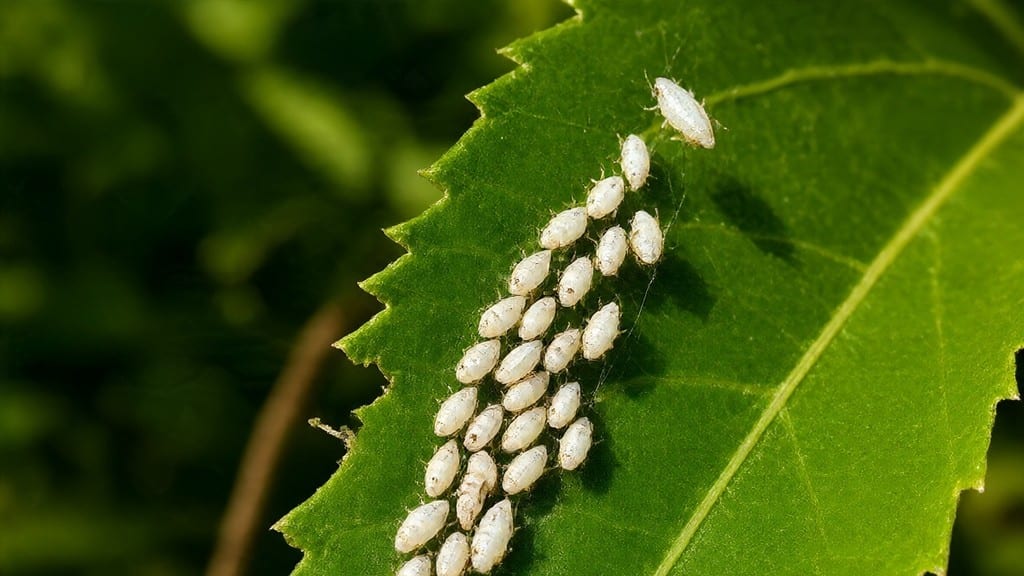
Turn those tiny white garden insects into crispy snacks instead of nuisances—because not all pests are bad news. 🌿 I’ve been harvesting aphids, mealybugs, and whiteflies from my yard for years, and they make a surprisingly satisfying crunch with just a pinch of salt.
These little guys are more than just plant problems; they’re a free, zero-waste protein source hiding in plain sight.
The key is knowing which ones are safe to eat (tiny, soft-bodied, and pesticide-free) and how to collect them without harming your garden. A simple spray bottle of soapy water or a gentle shake onto a tray does the trick—no chemicals needed.
My kids think it’s a game, and I’ve saved money on snacks while keeping my plants healthier than ever.
You’ll end up with a crispy, salty treat that’s packed with protein and minerals, plus a garden that thrives without harsh sprays. The best part? You’re turning a common frustration into something delicious—all while giving your plants a helping hand. Ready to turn pests into snacks?
This method works best in warm, dry climates where whiteflies and aphids thrive, but even cooler regions can harvest mealybugs from houseplants. Just avoid anything that’s been sprayed with chemicals—your health (and your taste buds) will thank you.
The Hidden Reasons Behind White Garden Visitors
Those tiny, white specks fluttering or crawling in your garden aren’t just random guests—they’re often drawn by specific conditions that make your yard an all-you-can-eat buffet. Understanding the why behind their presence helps you take action before they become a problem (or before you accidentally snack on the wrong thing!).
Here’s the science-backed breakdown:
🌱 Overripe or decaying plant matter
White insects—especially fruit flies, fungus gnats, or aphids—are magnetized to rotting fruit, fallen leaves, and compost piles. Why? Because these spots are nutrient-rich hotspots for their larvae to feast on.
- 🔬 The science: Decaying organic matter emits volatile organic compounds (VOCs), which act like dinner bells for flying insects. Fungus gnats, for example, lay eggs in moist, decomposing soil where their larvae thrive on microbial activity.
- 🍎 Actionable fix:
- Remove overripe fruits, fallen leaves, and weeds immediately—especially citrus, berries, and tomatoes, which are top targets.
- Turn compost piles frequently to reduce moisture and heat buildup, making them less inviting.
- Use beneficial nematodes (like Steinernema feltiae) to target fungus gnat larvae in soil.
💧 Excess moisture creates a larval paradise
White insects like whiteflies and mealybugs love damp conditions because moisture slows down their natural predators (like ladybugs) and keeps their eggs from drying out.
- 🔬 The science: High humidity and soggy soil create the perfect breeding ground. Whiteflies, for instance, prefer the undersides of leaves where moisture lingers, while mealybugs thrive in protected, humid crevices like the base of plants.
- 💦 Actionable fix:
- Improve drainage in garden beds by amending soil with perlite or sand.
- Avoid overhead watering—use drip irrigation or soaker hoses to keep foliage dry.
- Space plants properly for airflow; crowded gardens trap moisture and attract pests.
🌿 Weakened plants = easy prey
Stressed or nutrient-deficient plants are like neon signs for white insects. Why? Because their compromised defenses make them easier to colonize, and the sap or soft tissue becomes an easy meal.
- 🔬 The science: Plants under stress (from drought, poor soil, or disease) produce phloem sap that’s richer in sugars—aphids and mealybugs’ favorite snack. Additionally, damaged plants emit stress signals that attract more pests.
- 🌱 Actionable fix:
- Test your soil and amend with compost or balanced fertilizer (like 10-10-10) to boost plant resilience.
- Water deeply but infrequently to encourage strong root systems.
- Prune dead or diseased branches to remove pest entry points.
🌍 Climate and seasonal triggers
White insects often surge during specific times of year or in certain climates. For example, whiteflies thrive in warm, humid summers, while fungus gnats peak in cool, damp springs.
- 🔬 The science: Temperature and humidity directly influence insect life cycles. Many white pests enter diapause (a dormant state) in cold weather but multiply rapidly when conditions warm up. For instance, whiteflies can complete a life cycle in just 2-3 weeks in ideal conditions.
- 🌡️ Actionable fix:
- Monitor local pest emergence patterns—set up yellow sticky traps in early spring to catch adults before they lay eggs.
- Use row covers or fine mesh netting to block adult insects from reaching plants during peak seasons.
- Encourage natural predators like lacewings or parasitic wasps by planting pollinator-friendly flowers (e.g., dill, fennel, or alyssum).
💡 Pro Tip: If you’re growing edible white insects (like mealworms or black soldier fly larvae), replicate these conditions intentionally—but contain them in bins or trays to avoid garden-wide infestations!
How to solve it
Spotting tiny white insects in your garden can feel like an unwelcome surprise—but don’t panic! Whether they’re aphids, mealybugs, or even edible treats like white grubs, these pests (or snacks) can be managed with a mix of natural remedies and smart prevention.
Below, we’ve mapped out practical solutions tailored to the most common causes, so you can restore your garden’s health without harsh chemicals.
🐛 Aphids & Mealybugs: Sap-Sucking Scoundrels
These soft-bodied white invaders cluster on leaves and stems, draining nutrients and leaving behind sticky honeydew. Here’s how to evict them:
🔥 Blast Them Away (Non-Toxic Spray)
Mix 1 tsp dish soap + 1 tsp neem oil + 1 quart water in a spray bottle. Shake well and target infested areas directly. Reapply every 3–5 days until they vanish. Pro tip: Test on a small leaf first—some plants are soap-sensitive!
👨🍳 Invite Natural Predators
Ladybugs, lacewings, and parasitic wasps love aphids. Attract them by planting dill, fennel, or marigolds nearby. For an instant boost, release beneficial nematodes (microscopic worms) into the soil—they’ll hunt mealybugs underground.
🌡️ Prevention: Keep Plants Happy
- Water at the base (not leaves) to reduce humidity, which aphids adore.
- Prune crowded branches for better airflow—less hiding spots = fewer pests.
- Use reflective mulch (like aluminum foil) around plants; aphids dislike bright surfaces.
🍳 White Grubs: Underground Chewers
If your lawn or garden beds are riddled with white, C-shaped grubs, they’re likely beetle larvae munching on roots. Act fast before they turn your greens to brown.
🔪 Dig & Drown (Manual Removal)
On a damp evening, flip over sod or lift mulch to spot grubs. Drop them into a bucket of soapy water—instant disposal. For large infestations, rent a grub vacuum (a tool that suctions them out).
⏰ Milky Spore Treatment (Long-Term Fix)
Sprinkle milky spore powder (a natural bacteria) on lawns in early fall. It thrives in soil, killing grubs for years. Follow package instructions for best results.
🎯 Prevention: Break the Cycle
- Apply beneficial nematodes (like Heterorhabditis bacteriophora) in spring/fall—they’re grub-killing machines.
- Avoid overwatering; grubs thrive in soggy soil.
- Plant grub-resistant grasses like tall fescue or ryegrass.
✨ Bonus: When White = Edible!
Not all white garden insects are pests—some are delicious! If you’re growing edible varieties like white grubs (from scarab beetles) or larvae from black soldier flies, harvest them by:
- Gently sifting through compost or soil with a fine mesh.
- Boiling or frying them (they’re packed with protein!).
- Freezing extras for later—like nature’s crispy snack!
Remember: The key to pest-free gardens is consistency. Combine quick fixes with long-term habits, and your yard will stay lush—and insect-free—without the need for chemicals.
Frequently asked questions
Which white garden insects are actually safe to eat?
Stick to soft-bodied, small white insects like aphids, mealybugs, or whitefly larvae—these are the safest and most common edible varieties. Avoid hard-shelled insects like grubs unless you're certain they're from a non-toxic source. Always harvest from pesticide-free plants for the best flavor and safety.
How do I collect white insects without harming my garden?
Use a soft paintbrush to gently sweep insects into a bowl or shake plants over a tray lined with paper. For flying insects like whiteflies, a sweeping motion with a damp cloth works well. Always collect during cooler hours when insects are less active. This method keeps plants undisturbed and your harvest intact!
Can I eat white insects raw, or do they need cooking?
Raw white insects aren't recommended—they can carry bacteria or parasites. Always cook them thoroughly by baking, frying, or boiling for at least 10 minutes at 165°F to kill any potential pathogens. Cooking also enhances their natural protein and crunch!
What’s the best season to harvest edible white insects?
Spring and summer are ideal because these insects multiply rapidly in warm, humid conditions. Early mornings are best—the insects are sluggish and easier to collect. Avoid harvesting after pesticide use, as residues can contaminate your harvest.
How do I store leftover harvested insects?
For short-term storage, keep them in an airtight container in the fridge for up to 3 days. For longer storage, freeze them in a sealed bag for up to 6 months. Thaw before cooking to preserve their crispy texture. Freezing is the best way to preserve freshness!