
Light Requirements
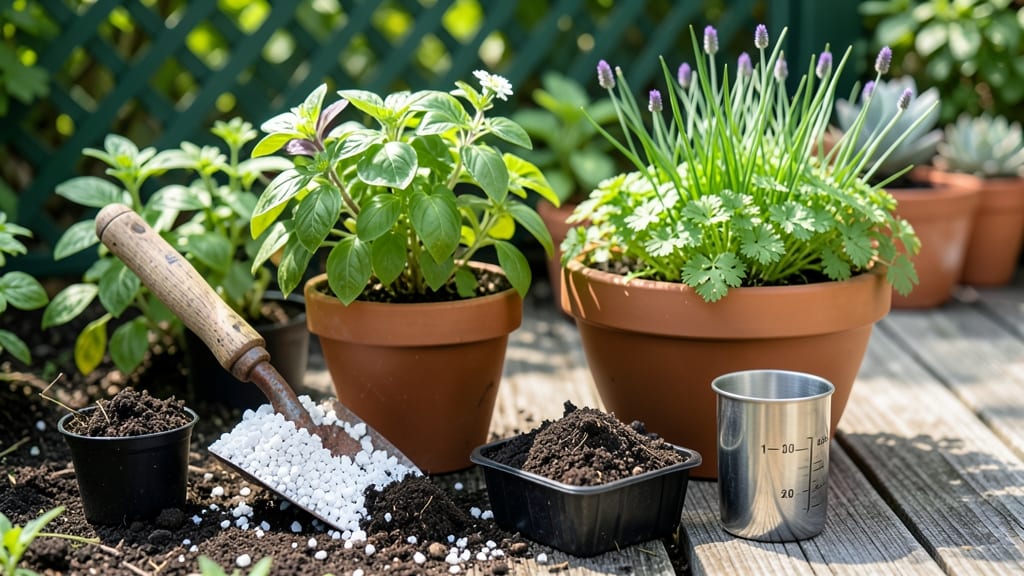
To determine how much perlite to add to garden soil, start with a 1:3 perlite-to-soil ratio for most plants. For heavy clay soil, increase perlite to 1:2, and use a 1:1 ratio in container mixes where drainage is critical.
Perlite works by creating air pockets in soil, which prevents compaction and helps roots breathe. 🌱 I’ve found that the right mix can transform dense, waterlogged soil into a fluffy medium that retains moisture without suffocating roots.
For example, container gardens often need more perlite because they dry out faster, while in-ground beds with sandy soil may require less. Always mix perlite thoroughly to avoid pockets that could disrupt plant growth.
Another key factor is your plants’ needs—succulents and cacti thrive with higher perlite ratios (up to 1:1) to prevent rot, while heavy feeders like tomatoes benefit from the 1:3 mix to support nutrient uptake.
The goal is balance: too little perlite leads to poor drainage, while too much can dry out roots. Start with the general ratio, then adjust based on how your plants respond.
💡 In This Article
- Perlite’s Role in Soil Aeration and Drainage
- Perlite Mix Ratios for Different Plant Types
Perlite’s role in soil aeration and drainage
Perlite’s magic lies in its microscopic, porous structure—each tiny granule contains thousands of air pockets that act like tiny sponges. When mixed into soil, these air pockets create channels that allow oxygen to reach roots while preventing water from pooling around them.
This is critical because compacted soil can reduce oxygen levels to just 5-10% (compared to ideal levels of 15-20%), suffocating roots and limiting nutrient uptake. 🌱 The porous nature also makes perlite lightweight, unlike heavier amendments like sand, which can weigh down soil over time.
One of the most underrated benefits is how perlite improves water retention without creating waterlogging. Unlike sand, which drains too quickly and leaches nutrients, perlite holds moisture near roots while allowing excess to drain away. Think of it as a sponge with a drain—it absorbs water but releases it gradually.
For example, in heavy clay soil (where water drains at a glacial 0.1 inches per hour), adding perlite can increase drainage rates to 0.5-1 inch per hour, preventing root rot. This is why gardeners swear by perlite in clay-heavy regions.
Perlite also plays a subtle but important role in pH balance. While it’s neutral (pH 7), its porous structure helps maintain soil pH by preventing compaction, which can otherwise create anaerobic pockets that lower pH over time.
Unlike lime (which raises pH) or sulfur (which lowers it), perlite works indirectly by improving soil structure, making it a safer long-term amendment. For nutrient retention, its high surface area provides more contact points for beneficial microbes, which break down organic matter into plant-available forms.
Comparing perlite to other amendments reveals its unique advantages. Vermiculite, for instance, holds water better but compacts more easily, while sand improves drainage but lacks the air pockets perlite provides. The key difference is perlite’s sterilized, inert nature—it doesn’t decompose or introduce weeds, unlike organic amendments like compost.
This makes it ideal for seed-starting mixes, where sterility is critical, and for container gardens where weight matters.
For visual learners, imagine soil without perlite as a tightly packed sponge—water and air struggle to move through it. Adding perlite creates a lattice of open spaces, like a looser, more breathable sponge. This structural change is why perlite is a staple in hydroponic systems, where precise aeration is non-negotiable.
The result? Roots grow stronger, plants resist diseases like root rot, and nutrients become more accessible. 💫
One common misconception is that more perlite is always better. In reality, exceeding a 30-40% perlite ratio can dry out soil too quickly, especially in hot climates. The sweet spot is usually 20-30% perlite for most plants, adjusted based on soil type and plant needs.
For example, desert-adapted succulents might thrive with 40% perlite, while moisture-loving ferns could struggle with even 20% perlite in a hot, dry climate.