
Planting
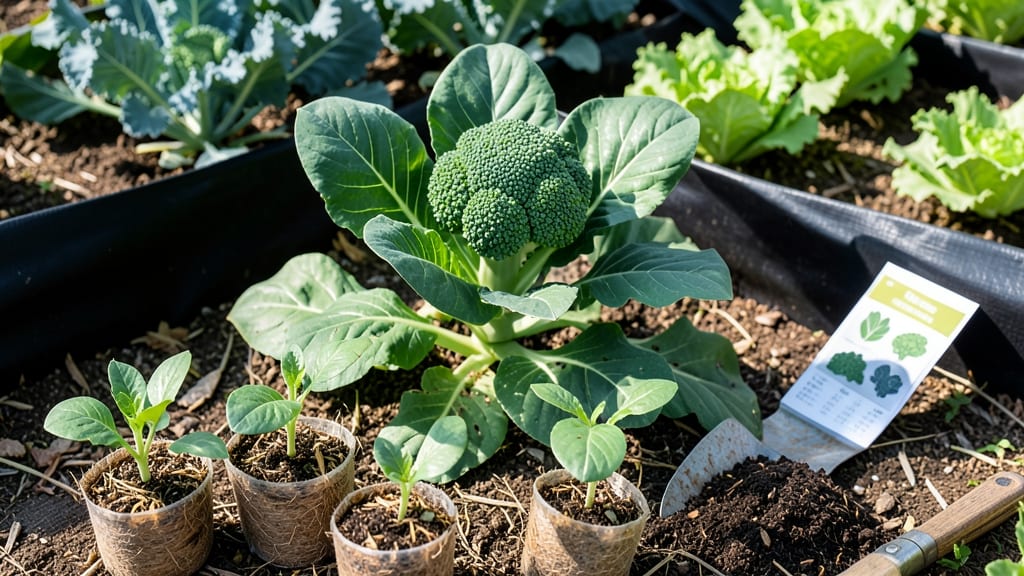
Planting a fall garden in Florida means working with the clock—not against it—to beat the heat and stretch your harvest into cooler months.
You might think Florida’s endless summer means no second chance at gardening, but the secret is starting late August to early September when soil temperatures dip below 90°F—the sweet spot for heat-tolerant crops like okra, collards, and sweet potatoes.
Miss that window, and you risk either wilting seedlings in residual summer heat or scrambling to plant before early December’s rare frost sneaks in (yes, even in Zone 10, it happens).
Below, I break down the exact planting timeline for your region, the crops that thrive in Florida’s fall transition, and how to prep soil and water for maximum yield—without the common mistakes that kill gardens before they even begin.
Optimal fall planting dates in Florida by region
Florida’s fall planting window is a golden opportunity for gardeners to grow heat-tolerant crops before winter sets in. Unlike northern states, Florida’s microclimates mean planting dates vary dramatically from North Florida’s cooler highlands to South Florida’s tropical warmth.
The key is planting when soil temperatures drop below 90°F but before early frost risks in Zone 8a (rare but possible in December).
For most Florida gardeners, the ideal fall planting window spans from mid-August to early October. This timeline ensures seedlings establish roots before hurricane season winds down and temperatures stabilize.
In North Florida, where nights grow chilly faster, you’ll want to start 6-8 weeks earlier than in South Florida, where the growing season stretches nearly year-round.
Soil temperature is your best indicator—aim for 60-80°F for most cool-season crops. Use a soil thermometer to check depths of 2-4 inches.
In Central Florida, this typically aligns with late August to mid-September, while South Florida gardeners can push planting into early October for heat-loving varieties like collard greens or mustard greens.
Here’s how to time your fall garden by region for maximum yield and minimal stress on your plants:
In North Florida, prioritize fast-maturing crops like radishes (25 days) or bush beans (50 days) to harvest before temperatures dip. Use row covers or cold frames to extend the season if you’re eager to grow leafy greens like spinach or lettuce.
These areas benefit from raised beds, which warm up faster in spring and cool down slower in fall.
For Central Florida gardeners, the late August start gives you flexibility to plant both cool-season crops (e.g., broccoli) and heat-tolerant varieties (e.g., collard greens). Succession planting every 2-3 weeks ensures a continuous harvest.
If you’re in a microclimate with clay soil, amend with compost or sand to improve drainage—Florida’s heavy rains in fall can lead to root rot if soil is too dense.
South Florida’s extended growing season lets you experiment with unusual crops like Malabar spinach or yam beans, which thrive in the warmth but struggle in frost. Plant peppers or eggplants in September for a winter harvest, as they’ll benefit from cooler nights. Just be mindful of hurricane season—secure young plants or use windbreaks if storms are forecasted.
Regardless of your region, soil prep is non-negotiable. Test your soil’s pH (6.0-7.0 ideal) and amend with organic matter like compost or aged manure to retain moisture during Florida’s dry spells.
Mulch with straw or pine needles to regulate soil temperature and suppress weeds. In North Florida, a 3-inch mulch layer can add 2-4°F protection against early cold snaps.
Finally, watering strategies shift in fall. While summer’s daily watering may seem excessive, fall’s cooler temps mean you can reduce frequency to every 2-3 days (check soil moisture 1 inch deep). In
Best heat-tolerant vegetables for Florida’s fall transition
As Florida’s summer heat begins to ease in late August, it’s the perfect time to plant heat-tolerant vegetables that thrive during the fall transition. Unlike cooler-season crops, these varieties handle 85-90°F soil temperatures and produce abundantly before winter sets in.
My favorite choices include okra, sweet potatoes, and collard greens, which not only survive but thrive in Florida’s humidity.
Timing is critical—planting too early risks heat stress, while waiting too long may expose crops to early frost risks in North Florida. For most regions, late August through early September is ideal for direct sowing or transplanting.
These crops also benefit from mulching to retain moisture and regulate soil temperature, which is especially helpful during Florida’s unpredictable fall weather.
- Okra – Plant late July to mid-September; thrives in 90-95°F soil. Harvest pods at 3-4 inches long for tenderness. Drought-tolerant once established.
- Sweet Potatoes – Start slips in early August; mature in 90-100 days. Choose orange-fleshed varieties like Beauregard for Florida’s climate. Full sun required for sweetest tubers.
- Collard Greens – Sow seeds mid-August to October; tolerates light frosts. Harvest outer leaves to encourage continuous growth. Prefers well-draining soil to prevent rot.
- Black-Eyed Peas – Plant late August to September; ready in 60-70 days. Fixes nitrogen in soil, reducing fertilizer needs. Drought-resistant once established.
- Malabar Spinach – Thrives in 90°F+ temps; plant July through September. Heat-loving alternative to traditional spinach. Perennial in Florida with proper care.
For extended harvests, I recommend succession planting black-eyed peas and collards every 2-3 weeks after the initial sowing. This ensures a steady supply of greens and legumes as temperatures gradually drop.
Additionally, okra and sweet potatoes benefit from deep, loose soil, so amending beds with compost before planting boosts yields significantly.
One of my pro tips is to monitor soil moisture closely during Florida’s fall transition. While these crops are drought-tolerant, consistent 1-2 inches of water per week prevents stress.
Mulch with straw or pine needles to lock in moisture and suppress weeds, which compete for nutrients in the warm fall soil.
Don’t overlook pest management—aphids and whiteflies can still be active in late summer. I spray neem oil on collards and Malabar spinach every 10-14 days as a preventive measure. For okra and sweet potatoes, handpick squash bugs and use row covers if needed to protect young plants.
With the right heat-tolerant varieties and careful timing, your Florida fall garden can be just as productive as spring—without the early-morning frost risks that plague cooler-season plantings. Start with these top picks, and you’ll enjoy fresh harvests well into November or December! 🌱