
Planting
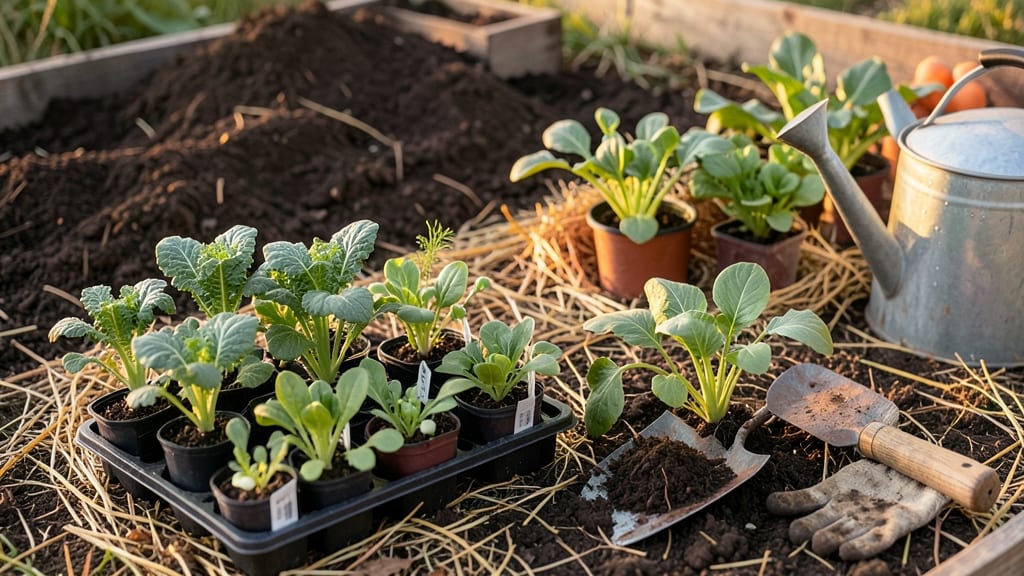
You can plant a fall garden in Texas starting mid-August in North Texas and as late as mid-September in South Texas, timing that avoids both summer heat and early frost.
Texas gardeners know timing is everything—plant too early, and your fall crops bolt in the heat; too late, and frost ruins your harvest. But with the right regional schedule, you can grow thriving vegetables, herbs, and flowers from September through December.
North Texas gardeners should focus on heat-tolerant greens like collards and fast-maturing radishes, while South Texas can extend the season with broccoli and cabbage planted in early September. Soil temperatures drop faster inland, so adjust planting dates accordingly.
In this guide, I’ll break down the exact planting windows by region, the best crops for your microclimate, and how to protect your harvest from unexpected cold snaps—so you can enjoy a bountiful fall garden.
Texas fall planting calendar by region: exact dates for cool-season crops
Texas's diverse climate means your fall planting schedule should match your region. North Texas (USDA zones 7-8) has earlier frost dates than South Texas (zones 8-9), while West Texas (zones 7-8) faces hotter soils longer. Knowing these differences ensures your cool-season crops thrive without bolting or freezing.
Soil temperature is your best guide—most cool-season crops need soil temps below 80°F to germinate properly. Use a soil thermometer to check before planting. In Central Texas, this typically happens by mid-August, while East Texas can start as early as late July.
Let's break down the exact planting windows by region, including which crops handle Texas's late-summer heat and which need cooler temps to perform well.
| Region | Planting Window | Heat-Tolerant Crops | Frost-Sensitive Crops | Soil Temp Threshold |
|---|---|---|---|---|
| North Texas (Zones 7-8) | Aug 15 - Sep 15 | Kale, Swiss Chard, Bush Beans | Lettuce, Spinach, Radishes | Below 80°F |
| Central Texas (Zones 8-9) | Aug 1 - Sep 10 | Collards, Turnips, Carrots | Broccoli, Cauliflower, Peas | Below 75°F |
| South Texas (Zones 9-10) | Jul 20 - Aug 20 | Okra, Sweet Potatoes, Malabar Spinach | Cabbage, Brussels Sprouts, Arugula | Below 70°F |
| West Texas (Zones 7-8) | Aug 20 - Sep 10 | Black-Eyed Peas, Cowpeas, Amaranth | Green Onions, Lettuce, Cilantro | Below 78°F |
In North Texas, aim to plant heat-tolerant greens like kale by mid-August to give them time to establish before first frost (typically November 15). Central Texas gardeners can start two weeks earlier thanks to warmer soils, but watch for late-summer heatwaves that can stress seedlings.
For South Texas, where winters are milder, focus on early August plantings of cool-season crops that can handle brief cold snaps. West Texas gardeners should prioritize fast-maturing varieties and use mulch to retain moisture during the transition from summer to fall.
Always check your local average first frost date—North Texas averages November 15, while South Texas may see frost as late as December 20. Succession planting every 2-3 weeks after your initial date ensures a continuous harvest before frost arrives.
Pro tip: Direct sow heat-sensitive crops like lettuce and spinach after September 1 in most regions. For heat-loving crops like bush beans, plant by mid-August in North Texas or early August in South Texas to avoid bolting before harvest.
Monitor your garden's microclimate—areas near buildings or water features may stay warmer longer. Adjust your planting dates accordingly to maximize your fall harvest potential.
Remember: Soil prep is key. Work in compost and aged manure 2-3 weeks before planting to improve drainage and fertility. This helps cool-season crops establish quickly in Texas's often heavy clay soils.
With these regional guidelines, you'll avoid the common mistakes of planting too early (and watching crops bolt) or too late (and losing them to frost). Happy planting!
Best fall vegetables for Texas gardens: fast-growing vs. long-season varieties
Texas's diverse climate means your fall garden can thrive with the right fast-growing and long-season vegetables. I’ve tested these varieties across North Texas’s cooler hills and South Texas’s lingering heat to find the best performers.
The key? Matching your harvest timeline to Texas’s first frost dates, which range from late November in the Panhandle to mid-December along the Gulf Coast.
For fast harvests (30-50 days), prioritize leafy greens and root vegetables like radishes and turnips. These bolt-resistant picks give you quick rewards before winter sets in. Meanwhile, long-season crops like broccoli and cabbage need 60+ days, so plant them early enough to mature before hard frosts hit.
In West Texas, where nights cool faster, these varieties thrive with afternoon shade.
Here’s my ranked list of top fall vegetables for Texas, organized by speed and regional adaptability:
🌱 Fast-Growing Picks (30-50 Days)
- Bush Beans ('Contender') – Heat-tolerant, 50-day harvest, thrives in West Texas until October.
- Radishes ('Cherry Belle') – Ready in 25 days, great for succession planting every 2 weeks.
- Spinach ('Bloomsdale') – Cold-hardy, 40-day harvest, perfect for North Texas’s shorter season.
🌿 Long-Season Stars (60+ Days)
- Broccoli ('Waltham 29') – 70-day harvest, needs cool nights; plant by early September in East Texas.
- Carrots ('Danvers') – 75-day harvest, loosen soil to prevent forking in clay-heavy Central Texas.
- Kale ('Lacinato') – 60-day harvest, frost-sweetened, thrives in coastal areas until January.
Pro tip: In high-desert areas like El Paso, opt for heat-tolerant lettuce like 'Black Seeded Simpson' (50 days) or turnips ('Purple Top White Globe'), which handle temperature swings better than delicate greens. Along the Gulf Coast, where humidity lingers, prioritize disease-resistant varieties like 'Florida Broadleaf' okra for late-season harvests.
For maximum yield, pair fast growers with long-season crops. Plant radishes alongside broccoli—the radishes mature first, leaving space for the broccoli to fill in. This intercropping trick works wonders in small urban gardens or raised beds where space is limited.
Remember, soil temperature matters just as much as air temperature. Use a soil thermometer to ensure seeds stay above 50°F for germination. In North Texas, wait until late August to sow; in South Texas, early September is ideal.
With these varieties and timing, you’ll enjoy a bountiful fall harvest—even if Jack Frost pays a visit early!