
Planting
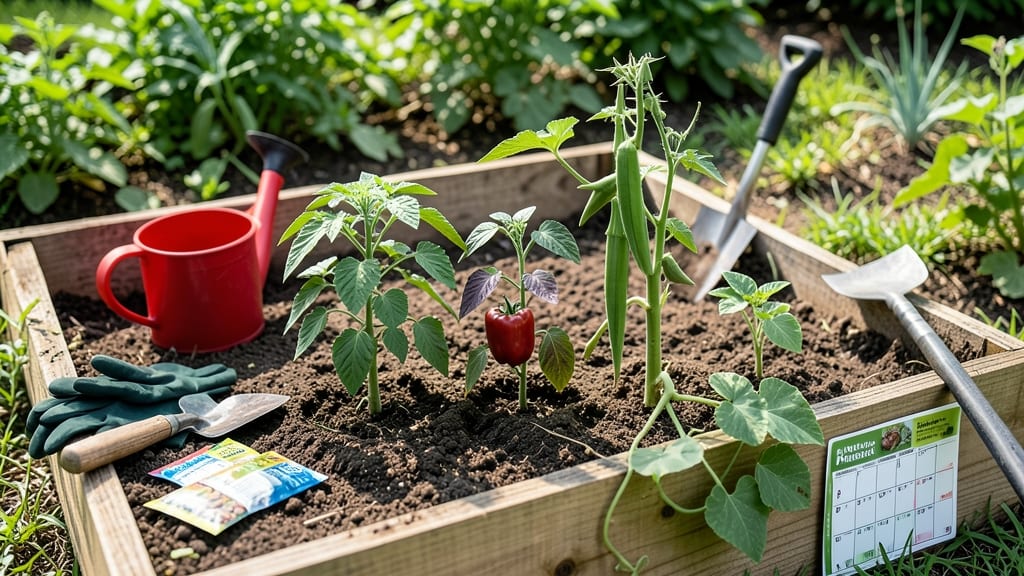
Planting a garden in Florida year-round is possible—but timing still makes all the difference 🌱. If you’ve ever watched your lettuce bolt in May or your tomatoes struggle under July’s heat, you know that even Florida’s frost-free climate has its rules.
Unlike northern states, Florida’s two distinct planting seasons—spring and fall—dictate when to start seeds or set out transplants for the best yields. Skip the wrong window, and you’ll battle wilting leaves, stunted growth, or worse: a garden that fizzles before it even begins.
Here’s the breakdown you need: which crops thrive in Florida’s cool-season (fall/winter) vs. warm-season (spring/summer), how humidity and pests change the game, and the one mistake even experienced gardeners make.
By the end, you’ll know exactly when to plant everything from butterfly-friendly flowers to heat-loving okra—plus how to adjust for North Florida’s cooler pockets or South Florida’s endless summer.
Florida planting schedule by season: what to plant when
Florida’s unique climate lets you grow almost year-round, but knowing when to plant garden crops in Florida is key to avoiding heat stress or missed harvests. The state’s three distinct microclimates—North, Central, and South—create subtle but important differences in planting windows.
For example, North Florida’s cooler winters allow for cool-season crops, while South Florida’s frost-free growing season lets you plant almost anytime. Let’s break down the best months for each region.
Most Florida gardeners focus on two main planting seasons: spring (February–April) and fall (August–October). These windows avoid the extreme heat of summer and the occasional frost in North Florida. However, warm-season crops like tomatoes and peppers can handle summer’s heat if planted early and given extra water.
Meanwhile, cool-season crops like lettuce and broccoli thrive in fall and winter, especially in North Florida.
Here’s a quick guide to help you plan your garden by month, tailored to Florida’s regional differences:
| Month | North Florida | Central Florida | South Florida | Notes |
|---|---|---|---|---|
| January | Cool-season crops: Lettuce, Spinach, Broccoli | Lettuce, Kale, Carrots | Year-round crops: Tomatoes, Peppers, Basil | North Florida: Frost risk; protect tender plants. |
| February | Peas, Radishes, Onions | Peas, Green Beans, Cucumbers | Okra, Sweet Potatoes, Eggplant | Start warm-season crops in South Florida. |
| March | Warm-season: Tomatoes, Peppers, Okra | Tomatoes, Peppers, Basil | Melons, Corn, Green Beans | Avoid planting in peak heat (May–July). |
| April | Sweet Corn, Peppers, Eggplant | Sweet Corn, Cucumbers, Squash | Pumpkins, Winter Squash, Okra | Mulch to retain moisture during dry spells. |
| May | Heat-tolerant: Okra, Sweet Potatoes | Okra, Sweet Potatoes, Peppers | Year-round: Tomatoes, Peppers, Basil | Provide afternoon shade for tender plants. |
| June–July | Sow seeds for fall crops | Start fall vegetables indoors | Direct sow fall crops | Use shade cloth for summer planting. |
| August | Cool-season: Lettuce, Spinach, Broccoli | Lettuce, Kale, Carrots | Year-round: Okra, Sweet Potatoes | Transplant fall crops before heat spikes. |
| September | Peas, Radishes, Onions | Peas, Green Beans, Cucumbers | Melons, Corn, Green Beans | Monitor for hurricane season disruptions. |
| October–November | Warm-season: Tomatoes, Peppers, Okra | Tomatoes, Peppers, Basil | Pumpkins, Winter Squash, Okra | <