
Planting
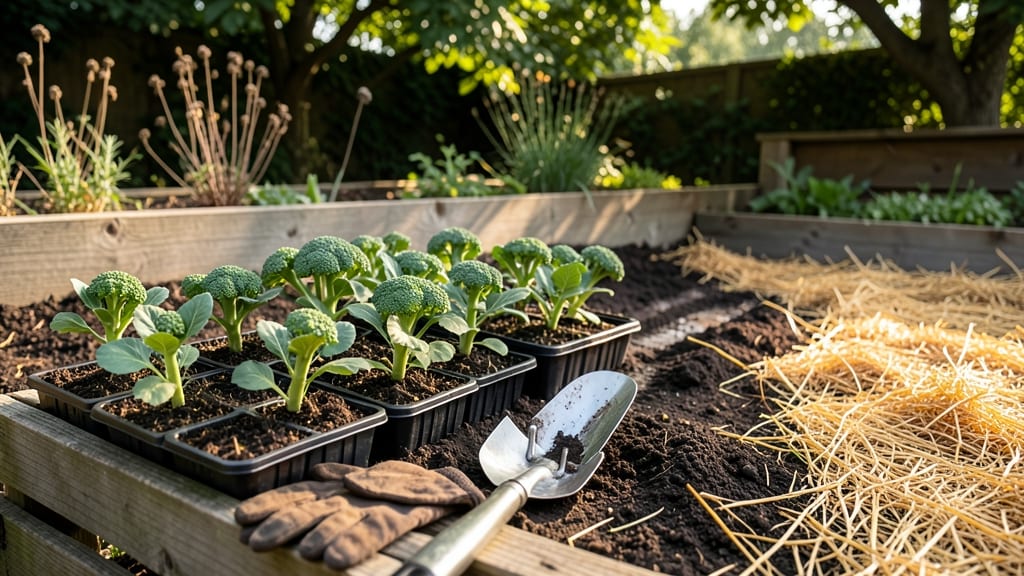
Planting your fall garden in Zone 7 between mid-August and October ensures a harvest before the first frost—timing is everything for a thriving 🌱 harvest.
Miss those windows, and you’ll end up with stunted greens or crops that bolt before you can enjoy them. The difference between a bountiful harvest and wasted seeds often comes down to when you put those seeds in the ground.
Zone 7’s 180 frost-free days give you just enough time to grow cool-season crops like kale, carrots, and broccoli. But planting too early in August risks heat stress, while waiting until late October leaves little room for maturity before winter.
Below, I’ll break down the exact dates for each crop, how to adjust for microclimates, and the top 5 fall garden staples that thrive in your region—so you can plan with confidence.
Exact fall planting dates in Zone 7 by crop type
Getting your fall garden timed right in Zone 7 means starting 4-6 weeks before first frost—typically around mid-August to early October. The key is balancing cool-season crops that thrive in cooler temps with warm-season holdovers that need extra time to mature.
In Zone 7, the average first frost hits around November 1, giving you a tight but productive window.
Your planting strategy should focus on leafy greens, root crops, and brassicas for the fall, while also squeezing in heat-loving crops like tomatoes and peppers if you're planting early.
The soil temperature drops below 60°F by late September, signaling it's time to shift to cooler-season plants. Let’s break down the exact dates for each crop type to maximize your harvest.
🌱 Visual Guide: Fall Planting Timeline for Zone 7
| Crop Type | Planting Window | Key Varieties | Harvest Window | Notes |
|---|---|---|---|---|
| Leafy Greens | Mid-August to Mid-September | Lettuce, Spinach, Kale, Swiss Chard | October - November | Fast-growing; succession plant every 2 weeks. |
| Root Crops | Late July to Early September | Carrots, Beets, Radishes, Turnips | September - October | Soil must be loose; avoid planting too late for full maturity. |
| Brassicas | Mid-August to Late September | Broccoli, Cabbage, Brussels Sprouts, Cauliflower | October - November | Start seeds indoors for larger transplants; protect from pests. |
| Warm-Season Holdovers | Late July to Early August | Tomatoes, Peppers, Eggplant, Basil | August - September | Use row covers to extend season; harvest before frost. |
| Herbs | Late August to Early September | Cilantro, Parsley, Dill, Chives | September - October | Cold-hardy herbs thrive in cooler weather; harvest leaves as needed. |
| Flowers | Late August to Mid-September | Pansies, Snapdragons, Calendula, Aster | October - November | Adds color to fall gardens; some tolerate light frost. |
For leafy greens, start planting lettuce and spinach as early as mid-August for a quick harvest before the first frost.
These crops grow rapidly in cooler temps, so succession planting every 2 weeks ensures a continuous supply. Kale and Swiss chard are more cold-hardy and can even sweeten after a light frost, making them ideal for late fall harvests.
Root crops like carrots and beets need 60-80 days to mature, so plant them by early September at the latest. Loosen the soil thoroughly to prevent forked roots, and avoid planting too close to the first frost. Radishes are the fastest option—plant them in late August for a harvest in just 25-30 days.
If you're growing brassicas like broccoli or cabbage, start seeds indoors in mid-August for transplants by late August
How to adjust planting dates for Zone 7 microclimates
Zone 7’s fall planting dates can vary dramatically even within a few miles due to microclimates. While the average first frost is November 1, your garden might experience frost weeks earlier or later depending on local conditions.
Understanding these variations helps you maximize your harvest before winter sets in.
Key factors like elevation, urban heat islands, and soil warmth can shift your ideal planting window by 2-4 weeks. For example, a mountainous area in Zone 7 might need to plant 4 weeks earlier than a lowland urban garden.
Even your yard’s orientation—south-facing vs. north-facing—plays a role.
⚠️ WARNING: Planting Too Late or Too Early in Zone 7 Microclimates Planting your fall garden based on general Zone 7 guidelines can backfire.
Here’s what you risk: - Early planting (before August 15): Seeds may sprout too fast in summer heat, leading to bolting (premature flowering) in leafy greens like lettuce or spinach. Radishes and turnips also bolt quickly in warm soil. - Late planting (after September 30): Crops like broccoli and cabbage won’t mature before frost, leaving you with underdeveloped heads or stunted growth. Kale and carrots may also suffer from frost damage before reaching harvest size. - Ignoring soil temperature: If your soil stays above 70°F in September, cool-season crops will struggle to germinate properly.
Use a soil thermometer to check—ideal temps are 50-65°F for most fall plants.
A soil thermometer is your best tool for fine-tuning planting dates. Check soil temps at 4-inch depth in the morning (before sun heats it). For leafy greens, aim for 50-60°F; for root crops like carrots, 55-65°F is ideal.
If temps are too high, wait 1-2 weeks or use shade cloth to cool the soil.
Urban gardens often face heat islands where pavement and buildings trap warmth. This can delay frost by 1-2 weeks compared to rural areas.
If your garden is in a city or suburb, consider planting heat-tolerant varieties like ‘Winter Density’ kale or ‘Red Salad Bowl’ lettuce, which handle warmer soil better than standard types.
For elevated areas (even just a few hundred feet higher), frost arrives earlier. Adjust your planting window by 1 week per 300 feet of elevation gain.
For example, if you’re at 1,000 feet in Zone 7, plant broccoli by August 1 instead of August 15 to ensure a harvest before frost.
Pro tip: Use row covers or cold frames to extend your growing season by 2-3 weeks in cooler microclimates. These tools create a mini greenhouse effect, protecting tender crops like spinach or peas from early frosts. Just remove covers during the day in warm spells to prevent overheating.