
Planting
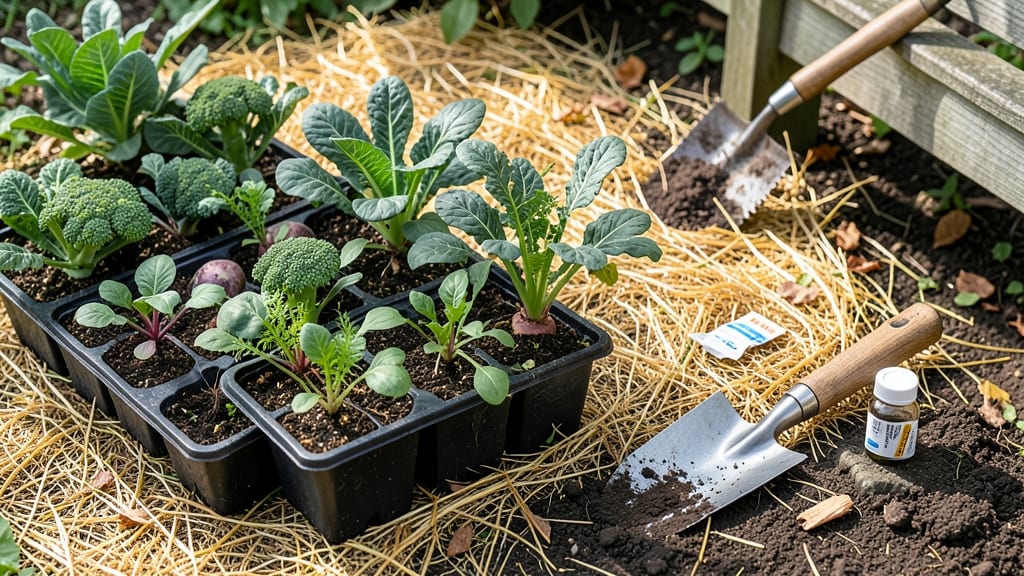
Planting a fall garden in Alabama between mid-August and mid-October unlocks a second harvest season when most gardeners call it quits.
Missed the spring planting window? Alabama’s mild fall climate still offers a golden opportunity to grow a thriving garden—if you plant at the right time.
With 6-8 weeks until the first frost, you can still tuck in leafy greens, brassicas, and root crops that thrive in cooler weather. The key is knowing your zone’s frost dates and choosing crops that mature before winter sets in.
Below, I’ll break down the exact planting windows for Alabama’s 7A-8B zones, the best crops for fall, and how to stretch your harvest into December with simple tricks.
Alabama fall planting dates by hardiness zone (7A-8B)
Alabama’s mild fall climate creates perfect conditions for a second harvest, but timing is everything. Unlike spring, fall planting works backward from your first frost date, which typically arrives between late October and early December depending on your zone.
In Zone 7A, you’ve got a slightly longer window than Zone 8B, where warmer temperatures push frost later.
Cool-season crops like broccoli, kale, and spinach thrive in Alabama’s fall, while warm-season favorites like green beans and turnips still have time to mature. The key is planting 6-8 weeks before frost—this ensures your plants mature before winter chill sets in.
For Zone 7A, that means starting as early as mid-August, while Zone 8B gardeners can wait until early September.
Here’s the breakdown you need to avoid frost damage and maximize your harvest:
| Zone | First Frost Date | Ideal Planting Window | Cool-Season Crops | Warm-Season Crops |
|---|---|---|---|---|
| 7A | Late October | Mid-August to early October | Broccoli, Kale, Spinach, Lettuce | Green Beans, Turnips, Radishes |
| 7B | Early November | Late August to mid-October | Cabbage, Swiss Chard, Arugula | Collard Greens, Mustard Greens |
| 8A | Mid-November | Early September to late October | Brussels Sprouts, Carrots, Beets | Cilantro, Dill, Parsley |
| 8B | Early December | Late August to early November | Lettuce, Spinach, Radishes | Green Onions, Peas |
For Zone 7A, early plantings in mid-August give heat-loving crops like green beans and turnips enough time to mature before cooler temps arrive. Meanwhile, Zone 8B gardeners can push their planting window later into early November for crops like lettuce and radishes, which tolerate light frost.
Always check your local Alabama Extension office for precise frost dates, as microclimates can shift planting windows by weeks.
Pro tip: Use row covers or cold frames to extend your harvest into December. These tools add 2-4°F protection, buying you extra time for leafy greens and herbs like cilantro. Just remove covers during the day to prevent overheating—Alabama’s fall sun is still strong!
If you’re planting seeds vs. transplants, adjust your timeline. Seeds take 2-4 weeks to germinate, so start them 4-6 weeks before your ideal transplant date. For example, in Zone 7A, sow spinach seeds by mid-September to harvest before frost.
Transplants, like broccoli, can go in until early October for a late fall crop.
Don’t overlook soil preparation—fall gardens thrive in well-draining, compost-rich soil. Test your soil’s pH (aim for 6.0-7.0 for most vegetables) and amend with aged compost or worm castings 2-3 weeks before planting. This gives microbes time to break down organic matter, feeding your crops all season.
Watch for bolt-resistant varieties of lettuce and spinach, which are more reliable in Alabama’s long daylight hours of fall. Varieties like ‘Winter Density’ lettuce or ‘Blo
Best fall vegetables to grow in Alabama (with optimal planting times)
Alabama's fall garden offers a second chance for bountiful harvests when you choose the right cold-hardy vegetables. The key is timing—plant too early, and crops bolt; too late, and frost ruins them.
I’ve ranked the top 10 fall vegetables by yield potential and included succession planting strategies to keep your kitchen stocked from October through December.
Start with leafy greens like spinach and kale—they thrive in cooler weather. Next, add root crops such as carrots and beets, which store well and tolerate light frosts. For continuous harvests, I recommend succession planting every 2-3 weeks starting in early September. This ensures fresh produce even as temperatures drop.
Here’s my ranked list of the best fall vegetables for Alabama, including their ideal planting windows and spacing tips: