
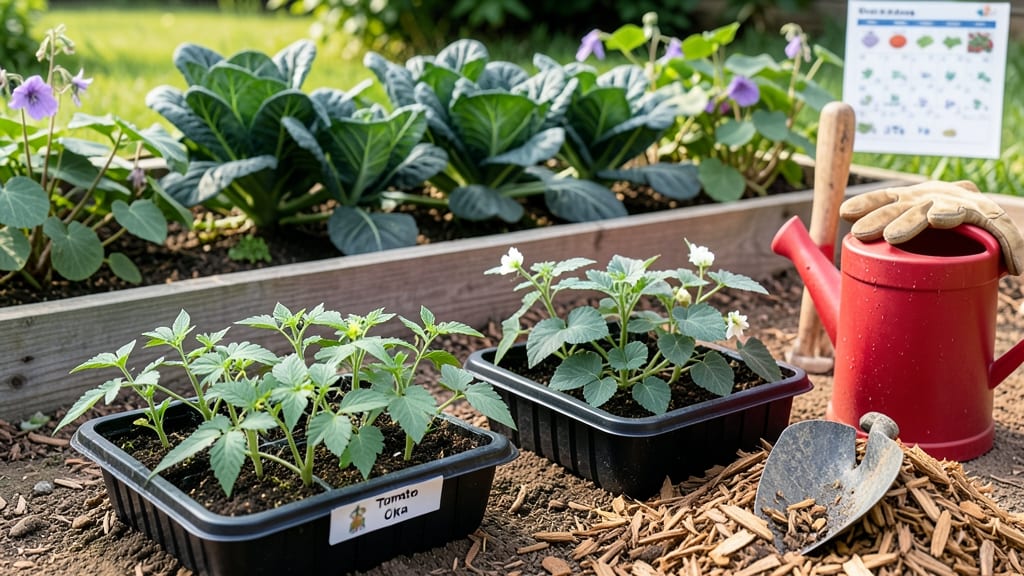
When to Plant Garden in Alabama: Zone 7B/8A Timelines for Peak Yields

Planting

When to Plant Garden in Alabama: Zone 7B/8A Timelines for Peak Yields

Planting a garden in Alabama at the right time means the difference between a bumper crop and a sad, wilted disappointment. Alabama’s unique climate—with its long growing season and occasional late frosts—demands precision to avoid wasting seeds or stunting growth.

Alabama’s warm climate and long growing season make it a gardener’s paradise—but planting at the wrong time can mean wasted effort or stunted crops. Timing is everything, especially in Zone 7B/8A, where heat and humidity demand precision.

If you’ve ever rushed to plant tomatoes too early only to watch them freeze, or waited too long and missed the sweet spot for a fall harvest, you know how critical seasonal timing is. The key is understanding Alabama’s frost dates, soil temperatures, and microclimates to maximize your garden’s potential.

In this guide, I’ll break down the exact planting windows for spring and fall crops in Alabama, including when to start seeds indoors, transplant seedlings, and adjust for your specific region. Ready to grow like a pro?

🌱 When to Plant General Alabama Garden Alabama Garden
Jan ❄️
Feb 🌱
Mar 🌱
Apr 🌱
May 🌱
Jun ☀️
Jul ☀️
Aug ☀️
Sep 🍂
Oct 🍂
Nov 🍂
Dec ❄️
Ideal Time
Also Good

Alabama planting calendar by season: what to sow in zone 7B/8A

Alabama’s Zone 7B/8A climate lets you grow almost year-round, but timing is critical. The last frost date typically falls around mid-March in northern Alabama and late February in southern regions. Meanwhile, the first frost usually arrives in mid-November, giving you a 210-240 frost-free day window.

Cool-season crops thrive in spring and fall, while heat-lovers like tomatoes and peppers shine in summer.

To maximize yields, I plant cool-season crops like lettuce and broccoli 4-6 weeks before the last frost (February-March) and warm-season crops like squash and okra 2-3 weeks after (April-May). Summer heat means succession planting for continuous harvests, while fall offers a second chance for cool-season greens before winter.

Here’s my seasonal planting breakdown for Alabama’s most productive crops, including soil temperature needs and transplant windows:

Season Plant Type Ideal Planting Month Soil Temp (°F) Sunlight Needs Notes
Winter (Cool-Season) Leafy Greens (Lettuce, Spinach) February-March 45-65°F Partial Shade Sow seeds directly; mulch for frost protection.
Winter (Cool-Season) Broccoli, Cabbage February-March 50-65°F Full Sun Transplant seedlings; harvest before bolting.
Spring (Warm-Season) Tomatoes, Peppers April-May 60-80°F Full Sun Start indoors 6-8 weeks before transplanting.
Spring (Warm-Season) Cucumbers, Squash April-May 65-75°F Full Sun Direct sow after last frost; watch for pests.
Summer (Heat-Tolerant) Okra, Sweet Potatoes June-July 75-90°F Full Sun Plant after soil temps exceed 70°F; mulch to retain moisture.
Fall (Cool-Season) Carrots, Radishes August-September 50-65°F Full Sun

How to adjust planting times for Alabama’s microclimates and soil conditions

Alabama’s diverse landscapes—from mountain valleys to urban heat islands—create unique microclimates that can shift planting windows by 2-4 weeks. If you’ve ever planted tomatoes too early only to see them wilt in a late frost, or struggled with soggy clay soil stalling seed germination, you’re not alone.

The key is adapting your schedule to match local conditions, not just the USDA zone averages.

Start by observing your yard’s sun exposure patterns. A north-facing slope stays cooler longer, while a paved parking lot nearby can create a heat island that bakes soil faster. For example, I’ve seen squash vine borers emerge 3 weeks earlier in Birmingham’s urban core compared to rural areas.

Adjust your warm-season planting by delaying transplants in hotspots by 1-2 weeks.

🌱 Adjust Your Planting Times Based On:

  1. 1. Elevation: Higher areas (like Appalachian foothills) have cooler soils—plant cool-season crops 2 weeks earlier than lowland areas.
  2. 2. Soil Type: Sandy soil warms faster—start warm-season crops 1 week sooner than in clay-heavy soil.
  3. 3. Urban Heat Islands: Cities like Huntsville or Mobile can be 5-10°F warmer—delay heat-sensitive transplants (like peppers) by 10-14 days.
  4. 4. Pest Pressure: Tomato hornworms thrive in humid lowlands—use row covers for early plantings.
  5. 5. Frost Risk: Valley floors may frost 2 weeks later than ridges—monitor local frost-free dates closely.

For sandy soils, which drain too quickly, I recommend amending beds with 2-3 inches of compost and using mulch to retain moisture. This lets you plant warm-season crops like okra as early as mid-April in northern Alabama, while clay soil gardeners might wait until mid-May.

Test your soil’s moisture retention by digging a hole—if water pools, you’re dealing with clay and should plant later.

Extend your growing season with low-cost row covers or cold frames. I’ve used floating row covers to protect broccoli and cabbage from squash vine borers and late frosts, adding 3-4 weeks to the harvest window.

For urban gardeners, reflective light-colored mulch can reduce soil temps by 10°F in peak summer, preventing bolting in leafy greens.

Don’t overlook pest-specific timing. In south Alabama’s humidity, tomato hornworms appear by late May, so I plant cherry tomatoes in early June when they’re less vulnerable. For squash vine borers, rotate crops annually and use straw mulch to deter adults from laying eggs.

These small adjustments can mean the difference between a bountiful harvest and a disappointing yield.

Finally, keep a gardening journal to track your local microclimate’s quirks. Note when soil reaches 60°F (ideal for peppers) or when first blooms appear on fruit trees.

Over time, you’ll refine your planting schedule to match your yard’s unique rhythm—no more guessing, just precision gardening tailored to Alabama’s ever-changing conditions. 🌿

★★★★★4.5(7 reviews)
Categories Planting