
Planting
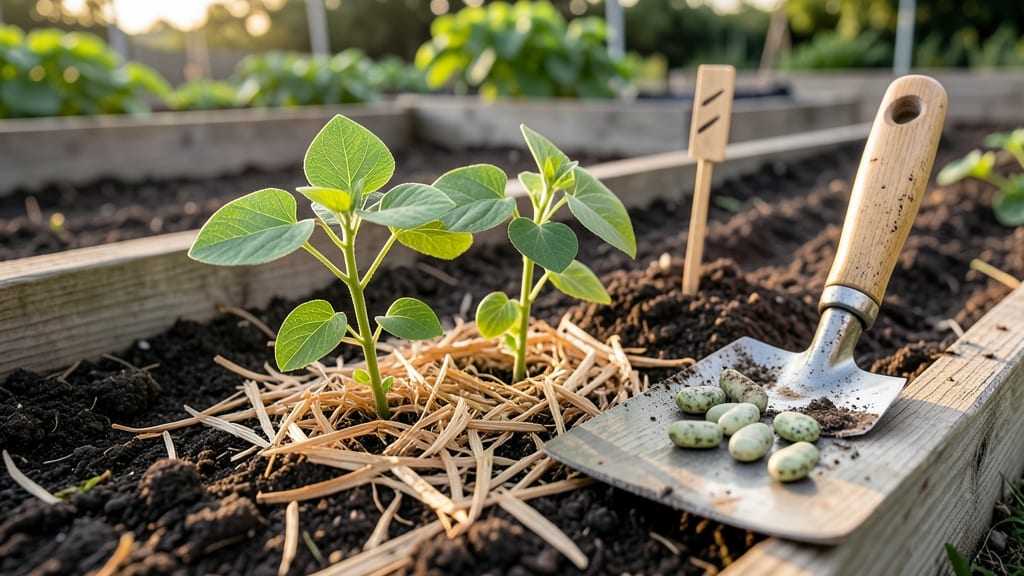
To plant green beans in your garden the right way means avoiding tangled vines and tiny harvests—because the difference between a handful of beans and a bushel starts with how you place those seeds.
Green beans are one of the easiest and most rewarding vegetables to grow in your garden—but planting them correctly is the key to avoiding tangled vines and poor yields.
Whether you're a beginner or a seasoned gardener, mastering the right spacing, soil depth, and variety selection can transform your harvest from meager to bountiful.
You don’t need fancy equipment or years of experience—just a few simple steps to get them off to the right start. We’ll cover everything from soil prep to the best time to drop those seeds in Zone 6a, so you can enjoy fresh, crisp pods from July through September.
Here’s how to set your green beans up for success, from choosing the perfect spot to keeping pests at bay and ensuring your plants grow strong and productive all season long.


Perfect green bean planting guide: soil, depth & spacing for maximum growth
Green beans thrive when planted in the right conditions, and getting the basics right—soil quality, planting depth, and spacing—sets the stage for a productive harvest. Unlike finicky vegetables, green beans are forgiving, but they reward precision with bushy growth and abundant pods.
Let’s break down the essentials to ensure your beans grow strong and healthy from the start.
First, focus on well-draining soil with a pH between 6.0 and 7.0. Green beans prefer loose, fertile soil that allows roots to spread easily. If your soil is heavy clay or sandy, amend it with compost or aged manure to improve structure and nutrient retention.
Avoid fresh manure, which can burn tender seedlings.
Next, planting depth is critical—seeds should go 1 to 2 inches deep in the soil. Planting too shallow risks drying out the seeds, while burying them too deep can delay or prevent germination.
Use your finger to create small holes at the correct depth, then place 2-3 seeds per hole (you’ll thin to the strongest sprout later).
Spacing is where many gardeners trip up. Bush bean varieties need 4 to 6 inches apart in rows spaced 18 to 24 inches apart, while pole beans require 4 to 6 inches apart in rows 4 to 6 feet apart (or closer if using a trellis).
Overcrowding leads to poor air circulation, increasing the risk of fungal diseases like rust or powdery mildew.
One common mistake is planting seeds too deeply, which can lead to rot or failed germination. If you’re unsure about depth, use a ruler or your knuckle as a guide—most adult fingers are about 1 inch wide.
After planting, gently firm the soil around the seeds to ensure good seed-to-soil contact, which helps moisture reach the seeds consistently.
Poor soil drainage is another pitfall. If water pools around your plants after rain, amend the soil with organic matter like compost or perlite to improve aeration. A simple test: Dig a hole, fill it with water, and time how long it takes to drain.
If it takes more than 30 minutes, your soil needs help. Raised beds are a great solution for heavy or clay-heavy soils.
After planting, keep the soil moist but not soggy until germination, which typically takes 7 to 14 days depending on temperature. Once seedlings emerge, reduce watering slightly to prevent damping-off disease, a fungal issue that attacks young plants.
Mulch around the base with straw or shredded leaves to retain moisture and suppress weeds, which compete for nutrients.
Finally, consider your green bean variety when planning spacing and support. Pole beans like ‘Kentucky Wonder’ need a sturdy trellis or cage, while bush varieties like ‘Blue Lake’ stay compact.
If you’re short on space, pole beans are a smart choice—they grow vertically, saving garden real estate while producing just as many pods.
With the right soil, depth, and spacing, your green beans will grow vigorously and reward you with a steady harvest all season long. Pay attention to these details now, and you’ll avoid the frustration of tangled vines or stunted growth later.
Best green bean varieties for your garden: bush vs. pole bean comparison
Choosing the right green bean variety can make or break your harvest. Whether you have limited space or a sprawling garden, understanding the differences between bush beans and pole beans will help you decide which suits your needs best.
Each type offers unique benefits, from compact growth to high yields, and even container-friendly options!
Bush beans, like 'Blue Lake' or 'Contender', grow in neat, self-supporting plants that produce pods all at once. They’re perfect for small gardens or containers, while pole beans, such as 'Kentucky Wonder', climb trellises and yield continuously over a longer season.
Let’s compare the top varieties to help you pick the best fit for your garden.
For small gardens or container growing, bush beans like 'Blue Lake' or 'Contender' are ideal. They mature quickly and don’t require trellises, making them perfect for beginners.
If you have vertical space or a larger plot, pole beans like 'Kentucky Wonder' will reward you with a longer harvest season and higher yields.
Boost your green beans’ productivity by planting them near companion plants like corn, cucumbers, or radishes. These pairings deter pests and improve soil health.
Avoid planting near onions or garlic, as they can stunt growth. With the right variety and companions, your green beans will thrive all season long!
Ready to plant? Start with well-draining soil and full sun, then choose your favorite variety based on your space and goals. Happy gardening! 🌱