
Planting
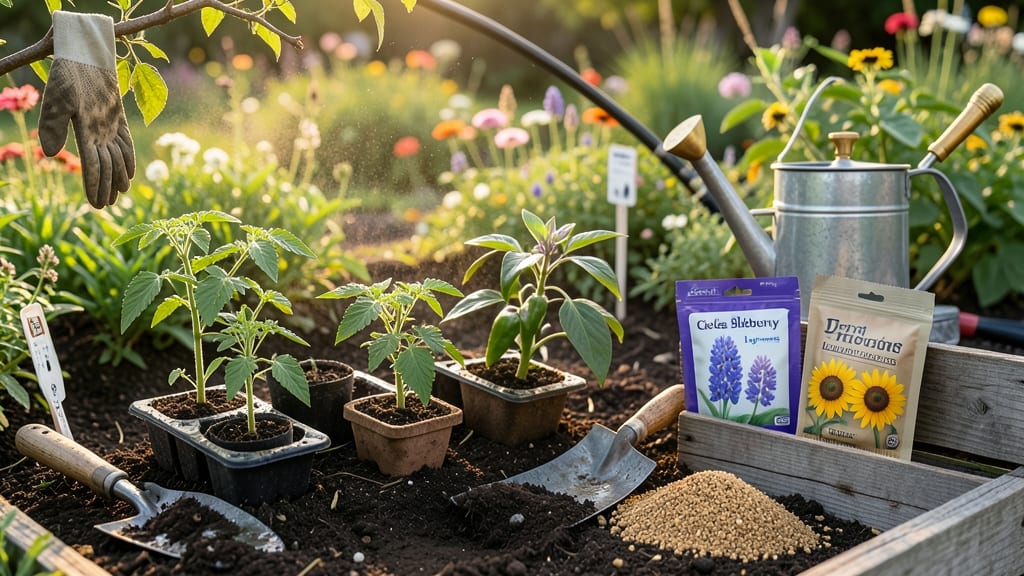
Planting a garden in Texas requires knowing the exact timing to beat both late freezes and brutal summer heat—miss these windows, and your hard work could end up wilted before it even starts.
Texas gardeners face a unique challenge: scorching summers and unpredictable freezes—but timing your plantings right can mean the difference between a thriving garden and a total loss. The Lone Star State’s diverse climate zones demand a strategic approach, and missing these windows could leave your crops struggling.
From North Texas’s chilly winters to South Texas’s extended growing seasons, the right planting schedule varies wildly. Whether you’re sowing cool-season greens in February or heat-loving okra in June, knowing your zone’s last frost date is the key to success.
Here’s your zone-by-zone guide to planting General Garden Plants 🌱—when to start seeds, when to transplant, and how to adjust for raised beds or containers so you can enjoy a harvest all year.
Texas planting zones explained: when to start seeds vs transplants
Texas spans 11 distinct planting zones (A-F), each with unique frost dates and heat patterns. Understanding these zones helps you decide whether to start seeds indoors or plant transplants directly in your garden.
In Zone A (North Texas), early freezes can hit as late as December 1, while Zone F (South Texas) rarely sees frost after January 15. This variation means your planting timeline should shift dramatically depending on where you live.
For cool-season crops like lettuce and broccoli, I always start seeds 4-6 weeks before the last frost date in my zone. In Zone B (Central North Texas), that means sowing seeds by February 15 for transplanting after the March 15 average last frost.
Meanwhile, in Zone E (South Central Texas), I can plant cool-season crops directly in the garden as early as September for a fall harvest.
Warm-season vegetables like tomatoes and peppers need a different approach. I never plant them outdoors until after the last frost date—typically April 15 in Zone A and as late as March 1 in Zone F.
For heat-tolerant crops like okra and sweet potatoes, I wait until May 1 in northern zones to avoid transplant shock from sudden heat spikes.
Microclimates add another layer of complexity. A south-facing slope in my yard warms up faster than the rest of the garden, allowing me to plant peppers 2 weeks earlier than the general zone guidelines.
Conversely, low-lying areas with poor drainage may need a 3-week delay to avoid waterlogged roots. Always scout your garden for these microclimates before planning.
| Zone | Avg Last Frost | Cool-Season Start Seeds | Warm-Season Transplant | Heat-Tolerant Planting |
|---|---|---|---|---|
| A (North Texas) | March 15 | Feb 15 (indoors) | April 15 | May 15 |
| B (Central North) | March 1 | Feb 1 (indoors) | April 1 | May 1 |
| C (Central) | Feb 15 | Jan 15 (indoors) | March 15 | April 15 |
| D (Central South) | Feb 1 | Jan 1 (indoors) | March 1 | April 1 |
| E (South Central) | Jan 15 | Direct sow Sept | Feb 15 | March 15 |
| F (South Texas) | Jan 1 | Direct sow Aug-Sept | Jan 30 | Feb 15 |
Soil temperature matters just as much as air temperature. I always check soil warmth before planting warm-season crops—it should be at least 60°F for peppers and 70°F for tomatoes.
In Zone A, this might not happen until late May, while Zone F soils often hit these temps by mid-February. Use a soil thermometer to avoid guessing.
For succession planting, I make a habit of sowing bush beans every 2 weeks from April through July in my Zone C garden. This ensures a continuous harvest while avoiding the late-summer heat stress that can reduce yields.
Similarly, I plant lettuce every 3 weeks from September through November for fall harvests before the first frost.
Container gardeners have more flexibility but must account for heat retention in pots. I always plant warm-season crops in containers by May 1 in Zone B, even if the ground is ready earlier.
The drying effect of containers means I need to water twice daily during summer heatwaves, which can stress plants if not managed properly.
Don't forget about perennials and shrubs—their planting windows differ from annuals. In Zone A, I plant roses in early spring (March) to establish roots before summer heat, while in Zone F, I can plant them as late as December.
Always match the planting window to the plant's dormancy period and heat tolerance.
To stay on track, I mark my last frost date on my calendar and count backward for cool-season starts. For warm-season crops, I wait for 3 consecutive days above 70°F before transplanting. This simple rule has saved my tomato plants from frost damage multiple times in Zone B
Heat-tolerant vegetables vs cool-season crops: Texas-specific planting calendar
Texas gardeners know timing is everything—especially when balancing scorching summers with unpredictable freezes. The key to success lies in understanding which crops thrive in heat-tolerant conditions (like okra and sweet potatoes) versus those that prefer cool-season growing (like broccoli and spinach).
Each of Texas’ 11 climate zones has unique windows, so let’s break it down by region and crop type.
In North Texas (Zones A-B), cool-season crops like lettuce and peas should be planted in September-October for fall harvests, while warm-season favorites like tomatoes and peppers wait until April-May after the last frost.
Meanwhile, South Texas (Zones E-F) can grow heat-loving crops like eggplant year-round, with succession planting every 2-3 weeks for continuous harvests.
For succession planting, focus on fast-growing crops like bush beans or radishes every 2-3 weeks during their ideal windows.
In Central Texas (Zones C-D), this means April-June for warm-season crops and September-November for cool-season varieties. South Texas gardeners can extend growing seasons by planting heat-tolerant varieties like peppers in January or green beans in August.
Pro tip: Use row covers in early spring or late fall to protect cool-season crops from unexpected freezes. Conversely, shade cloth (30-50%) can save heat-sensitive plants like lettuce during summer months. Always check soil temperatures—warm-season crops need soil at 60°F+, while cool-season crops prefer 50-60°F.
By aligning your plantings with Texas’ microclimates and heat zones, you can enjoy year-round harvests