
Planting
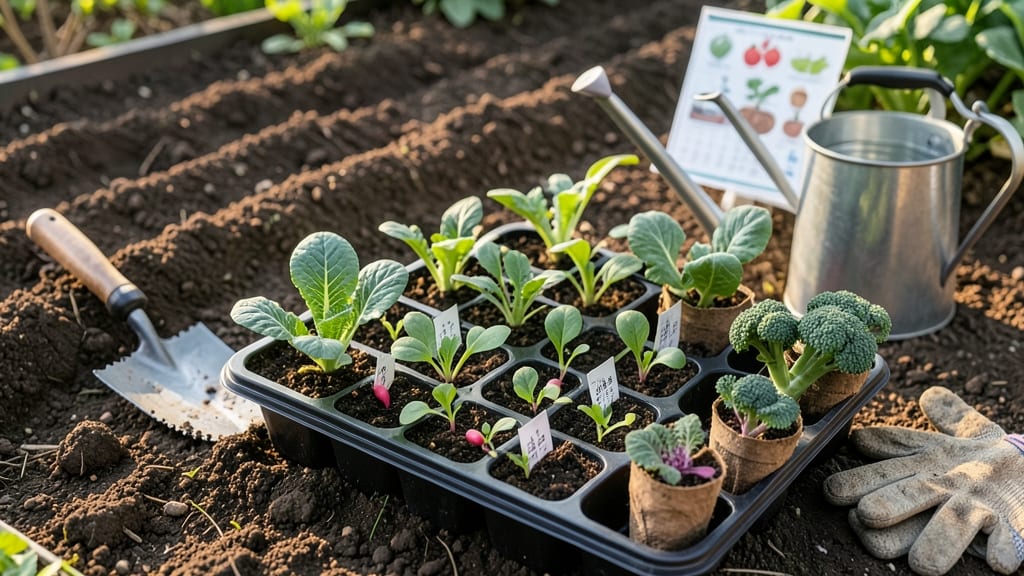
Planting a fall garden in Texas means timing your crops perfectly to beat the heat and frost—starting as early as late July in North Texas or as late as October in the South.
Texas gardeners know the summer heat can be brutal—but with the right timing, a fall garden can thrive even in the Lone Star State. Planting too early or too late can mean wilted dreams, so knowing the exact window for heat-tolerant crops is key to a bountiful harvest.
From okra and sweet potatoes in North Texas to black-eyed peas and amaranth in the South, each region has its own ideal planting window. The goal? Beat the first frost while giving plants enough time to mature before winter sets in.
In this guide, you’ll find the exact planting dates by zone, soil prep tips, and strategies to extend your harvest through December—so you can enjoy fresh 🥬 all season long.
Texas fall planting zones: exact dates for heat-tolerant crops by region
Texas gardeners know the summer heat can be brutal—but with the right timing, a fall garden can thrive even in the Lone Star State. The key lies in understanding your USDA planting zone and the last frost dates for your region.
Unlike traditional fall crops, heat-tolerant varieties like okra, sweet potatoes, and Malabar spinach need precise timing to avoid wilting before harvest.
North Texas (Zones 8a-8b) has the earliest frost risks, while South Texas (Zones 9a-10b) enjoys extended growing seasons. Even Central Texas (Zones 8b-9a) requires careful planning to balance summer heat and fall cool-downs. Soil temperatures must also align with seed germination needs—most heat-tolerant crops prefer 70-85°F soil for optimal growth.
Below is a detailed breakdown of planting windows by region, including last frost dates, ideal soil temperatures, and top heat-tolerant crops for each zone. Use this as your guide to avoid common mistakes like planting too early (risking heat stress) or too late (missing frost windows).
For North Texas gardeners, the window is tight: late July to early September. Central Texas offers a slightly longer window of August to mid-September, while South Texas can extend planting until mid-October.
Always check your local extension office for microclimate adjustments—urban areas may frost earlier than rural zones.
Okra thrives in North Texas's shorter window, while South Texas gardeners can push their luck with long beans and sesame until October. Always monitor soil moisture—heat-tolerant crops need consistent water but hate soggy roots. Mulch with straw to retain moisture and regulate soil temperature.
For Central Texas, Malabar spinach is a standout—it tolerates heat and partial shade, making it perfect for late-season planting. Start seeds indoors 4-6 weeks before your target transplant date to give them a head start.
Use black plastic mulch to warm soil faster and extend the growing season by 2-3 weeks.
Don't overlook microclimates—low-lying areas frost earlier than hillsides. If you're in Zone 8a, consider using row covers to protect tender crops like cowpeas from early frosts. Test your soil's pH level (aim for 6.0-6.8) and amend with compost before planting—heat-tolerant crops need fertile soil to thrive.
Pro tip: Plant fast-maturing varieties like 'Clemson Spineless' okra (50-60 days to harvest) to ensure you beat the frost. Avoid planting slow growers like sweet potatoes after mid-September in North Texas—they won't mature before cold snaps hit.
Always check seed packets for "days to maturity" and work backward from your frost date.
Extend your harvest by succession planting every 2-3 weeks after your initial window. This staggered approach ensures a continuous supply of green beans or amaranth without overwhelming your garden at once. Pair heat-tolerant crops with cool-season companions like lettuce or kale for a balanced fall harvest.
Remember: Texas falls can be unpredictable. Keep a frost cloth on hand and monitor weather forecasts. With the right timing and crop selection, your fall garden can outshine even the summer heat. Happy planting! 🌱
Top 5 heat-tolerant fall crops for Texas gardens and their planting strategies
When Texas temperatures start to dip but still linger in the 80s, it’s time to shift gears from summer crops to heat-tolerant fall favorites. These crops thrive in the transition from summer to fall, offering bountiful harvests even as nights grow cooler.
My top picks—black-eyed peas, cowpeas, amaranth, okra, and sweet potatoes—are perfect for Texas gardeners who want to extend their growing season without stress.
These crops don’t just survive the heat; they flourish in it, making them ideal for planting in August through early September across most of Texas. Whether you're in North, Central, or South Texas, these varieties will reward you with high yields and resilience against late-season pests and drought.
Let’s dive into their specific needs to ensure your fall garden is a success.
🌱 Heat-Tolerant Fall Crops: Planting & Care Guide
- Black-Eyed Peas | Planting: 60-90 days before first frost (Aug-Sept). Spacing: 4-6" apart. Soil: Well-draining, slightly acidic (pH 5.8-6.5). Sun: Full sun (6+ hours). Tip: Fixes nitrogen in soil—great for subsequent crops! 🌿
- Cowpeas | Planting: Late July to early Sept. Spacing: 6-8" apart. Soil: Tolerates poor soil but prefers loamy. Sun: Full sun. Tip: Drought-resistant; ideal for dry fall spells. 💧
- Amaranth | Planting: 70-90 days before frost (Aug-Sept). Spacing: 12-18" apart. Soil: Rich, well-drained. Sun: Full sun. Tip: Edible leaves and seeds—double the harvest! 🌾
- Okra | Planting: Late July to early Sept (harvest before frost). Spacing: 18-24" apart. Soil: Warm, well-draining. Sun: Full sun. Tip: Harvest pods when 3-4" long for tender texture. ✂️
- Sweet Potatoes | Planting: Late June to early Aug (slips planted). Spacing: 12" apart, hills 12" apart. Soil: Sandy loam (pH 5.8-6.5). Sun: Full sun. Tip: Mulch heavily to retain moisture and heat. 🌡️
For all these crops, soil preparation is key. Before planting, amend your soil with compost or aged manure to improve drainage and fertility. Texas soils can be heavy in clay, so mixing in organic matter will help roots establish faster.
Test your soil’s pH—most of these crops prefer a slightly acidic to neutral range (6.0-7.0)—and adjust with lime or sulfur if needed.
Watering strategies also differ slightly by crop. Black-eyed peas and cowpeas need consistent moisture but can handle brief dry spells, while okra and sweet potatoes thrive with deeper, less frequent watering to encourage root growth.
Aim to water early in the morning to reduce evaporation and fungal risks. Mulching with straw or grass clippings will help retain soil moisture and keep roots cool as fall temperatures fluctuate.
One of the biggest mistakes I see in Texas fall gardens is planting too late. If you wait until October, many of these crops won’t mature before the first frost hits. Use your local frost date as a guide—plant 6-8 weeks before the average first frost in your area.
For example, in North Texas (Zone 8a), aim to plant by early September, while South Texas (Zone 10a) gardeners have until mid-October.
Finally, don’t overlook pest and disease management. Fall brings its own set of challenges, like aphids on amaranth or root-knot nematodes in sweet potatoes. Rotate crops yearly and use row covers if pests become an issue.
With the right timing and care, these heat-tolerant crops will give you a late-season harvest that’s both rewarding and delicious. Happy planting! 🌻