
When to Plant a Fall Garden in North Texas: Exact Dates by Crop Type

Planting

When to Plant a Fall Garden in North Texas: Exact Dates by Crop Type

Planting a fall garden in North Texas between mid-August and mid-October sets you up for a harvest that lasts until December—or until the first frost hits.

North Texas gardeners know timing is everything—plant too early, and your 🥬 fall garden vegetables will bolt in the heat; too late, and frost will ruin your harvest. But with the right schedule, you can enjoy fresh greens, root vegetables, and cool-season herbs all winter long.

The key is working with your USDA 7b-8a climate, where average first frost arrives by mid-November. That means starting heat-sensitive crops like broccoli or kale in early September, while hardier greens like spinach or arugula can wait until late September or even early October.

In this guide, I’ll break down the exact planting windows for your region, adjust for erratic North Texas weather, and share a sample schedule that maximizes your fall harvest—no guesswork required.

🥬 When to Plant Fall Garden Vegetables Garden Vegetables
Jan ❄️
Feb ❄️
Mar 🌱
Apr 🌱
May 🌸
Jun ☀️
Jul ☀️
Aug 🌱
Sep 🥬
Oct 🥬
Nov 🌱
Dec ❄️
Ideal Time
Also Good

Ideal North Texas fall planting dates by crop type

North Texas' fall planting season runs from mid-August through mid-October, but not all crops thrive in the same window. The key is understanding your USDA Zone (7b-8a) and whether your plants are heat-tolerant or frost-sensitive.

Dallas-Fort Worth has slightly longer growing seasons than Lubbock or Wichita Falls, so adjust dates by 1-2 weeks for western regions.

For heat-tolerant crops like okra or sweet potatoes, plant by late August to avoid bolting before cooler weather arrives. These crops can handle 90°F+ temperatures but need to establish roots before October's temperature drops.

In contrast, frost-sensitive greens like lettuce or spinach should go in by mid-September to mature before the November 15 average first frost.

Climate zone variations matter: Lubbock's Zone 8a has a 2-3 week shorter growing season than Dallas' Zone 8a/7b. Use your local Almanac frost dates as a guide—plant 6-8 weeks before frost for most cool-season crops. For example, if frost hits November 15, aim for September 20 planting for 60-day crops like radishes.

How to adjust your planting schedule for North Texas weather patterns

North Texas weather is famously unpredictable—one day it's scorching, the next it's pouring rain, and by November, frost can sneak in unexpectedly. As someone who's learned this the hard way, I've mastered the art of flexible planting schedules that account for these swings.

The key is understanding your local microclimate and adjusting your timeline accordingly.

Early September often brings heat spikes that can cause bolting in fast-growing crops like lettuce and spinach. Meanwhile, October's unpredictable rain patterns can delay planting or create waterlogged soil.

Then comes November, when a sudden early frost can wipe out tender seedlings overnight. These challenges mean your planting window isn't just about dates—it's about weather awareness and preparation.

⚠️ North Texas Frost Alert

First frost typically arrives November 15 in most of North Texas, but it can come as early as October 30 in higher elevations like Denton or Wichita Falls. Use these adjustment rules:

  • Heat-sensitive crops (lettuce, spinach): Plant no earlier than August 25 to avoid bolting
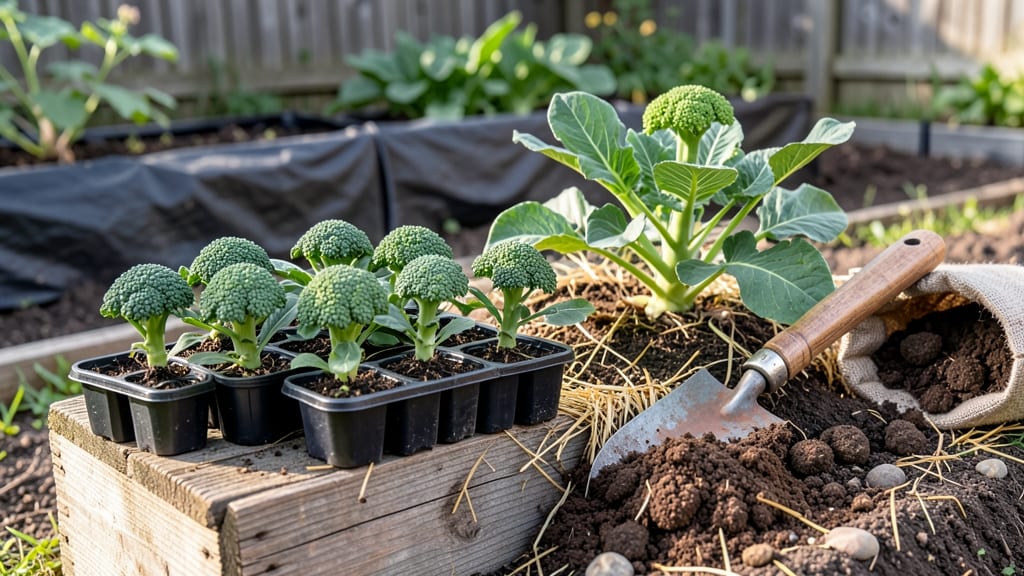
  • Moderate crops (kale, broccoli): Plant September 1-15 for best harvests
  • Cold-hardy crops (carrots, radishes): Plant October 1-15 for winter harvests

🌡️ Pro Tip: Check The Old Farmer's Almanac for your exact first frost date—it varies by 5-7 days across North Texas!

To navigate these challenges, I recommend starting with heat-tolerant varieties in late August for crops like Swiss chard or collards. These can handle the initial heat before cooler temps arrive.

For more sensitive plants, wait until September 10-15 when daytime highs typically drop below 90°F. This timing gives seedlings a fighting chance before the real cool-down begins.

October brings its own set of challenges with unpredictable rainfall. I've found that planting broccoli and cabbage in the first half of October gives them time to establish roots before the heavier rains arrive.

If you're dealing with waterlogged soil, consider raised beds or containers where you have better drainage control. Always check soil moisture—1-2 inches of water per week is ideal, but North Texas often delivers this in one heavy downpour instead of steady rain.

As November approaches, shift your focus to cold-hardy crops like kale, Brussels sprouts, and peas. These can handle light frosts and often taste sweeter after a frost. For extra protection, use row covers or cold frames to extend your harvest window.

I've had success with these into mid-December in protected beds, even when outdoor temps drop below freezing.

For real-time adjustments, I rely on local weather tools like the Texas A&M AgriLife Extension frost alerts and NOAA's climate maps. These provide hyperlocal forecasts that account for your specific neighborhood's microclimate.

Pair this with a simple garden journal to track what works each year—your notes will become your most valuable planting guide over time.

★★★★★4.9(14 reviews)
Categories Planting
Crop Type Planting Window Heat Tolerance Frost Hardiness Notes
Leafy Greens (Lettuce, Spinach, Kale) Mid-Sept to Early Oct Low Moderate (25°F) Plant 60-75 days before frost
Root Vegetables (Carrots, Beets, Radishes) Late Aug to Mid-Sept Moderate High (20°F) Soil must be loose; avoid replanting
Brassicas (Broccoli, Cauliflower, Cabbage) Early Sept to Early Oct Low Moderate (20°F) Start seeds indoors 4-6 weeks before transplanting
Heat-Tolerant Crops (Okra, Sweet Potatoes, Peppers) Late Aug to Early Sept High Low (32°F) Harvest before first frost; extend with row covers
Herbs (Cilantro, Dill, Parsley) Mid-Sept to Mid-Oct Moderate Moderate (25°F) Bolt-resistant varieties like 'Winterbor' kale work well
Flowers (Pansies, Snapdragons, Calendula) Early Sept to Late Sept Low High (15°F) Direct sow after soil temps drop below 85°F