
Planting
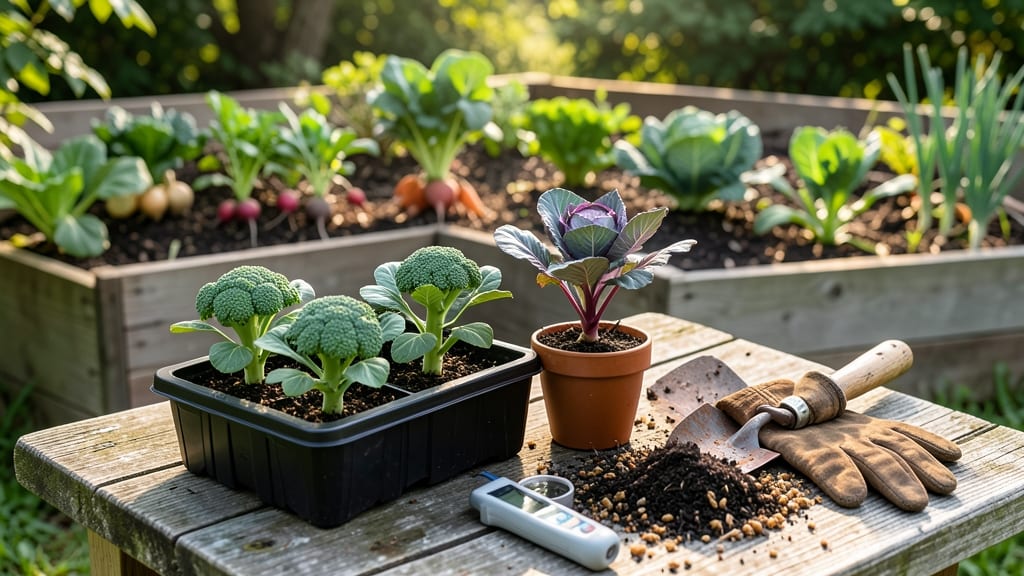
Planting your fall garden in Central Texas between late July and early September sets you up for a harvest that lasts until December, but timing is everything.
Central Texas gardeners know timing is everything—plant too early, and your 🥬 fall garden vegetables will bolt in the heat; too late, and frost ruins your harvest. But with the right schedule, you can enjoy crisp greens, hearty root vegetables, and flavorful herbs all season long.
In USDA Zone 8a, where summer lingers into September, the key is to start seeds indoors by mid-July for cool-season crops like broccoli and kale. Direct-sow heat-tolerant varieties like sweet potatoes and collards as soon as the soil cools after 90°F days—typically late July.
Below, I’ll break down the exact planting windows by crop, how to adjust for urban heat islands, and the 3 critical steps to protect your garden from early frost. Ready to grow?
Fall planting schedule for Central Texas: exact dates by plant hardiness zone
Central Texas gardeners in USDA Zones 8a-8b face unique challenges: scorching summer heat followed by unpredictable frost. The key to a thriving fall garden lies in precise timing—starting seeds and transplants at the right moment ensures your broccoli, kale, and carrots mature before winter sets in.
My schedule accounts for first frost dates (Dec 1-15) and microclimates, whether you're in Austin's urban heat island or rural Hill Country.
Urban areas often experience 2-3°F warmer microclimates than rural zones, delaying frost by 1-2 weeks. Adjust your planting dates accordingly—start heat-loving crops like sweet potatoes earlier in cities, while rural gardeners can push cool-season greens slightly later.
For both, soil temperatures below 80°F signal it's time to transition from summer to fall planting.
Here’s your exact planting calendar for Central Texas, broken down by crop type and zone. Use this as your guide to avoid bolting or frost damage while maximizing your harvest window from October through December.
| Crop Type | Zone 8a Dates | Zone 8b Dates | Seed Start Indoors | Transplant Outdoors |
|---|---|---|---|---|
| Broccoli | Aug 15 - Sep 15 | Aug 20 - Sep 20 | Jul 1 - Jul 15 | Sep 1 - Oct 1 |
| Kale | Aug 1 - Oct 1 | Aug 10 - Oct 10 | Jun 15 - Jul 30 | Aug 15 - Sep 30 |
| Carrots | Aug 1 - Sep 15 | Aug 10 - Sep 20 | Direct sow only | N/A |
| Spinach | Sep 1 - Oct 15 | Sep 10 - Oct 20 | Jul 1 - Jul 15 | Aug 15 - Sep 15 |
| Sweet Potatoes | Jun 1 - Jul 15 | Jun 15 - Jul 20 | Direct plant | N/A |
Best fall vegetables for Central Texas: heat-tolerant vs. cool-season cropsCentral Texas gardeners face a unique challenge: balancing late-summer heat with cool-season harvests. The key is selecting crops that thrive in transitional weather. Heat-tolerant varieties like sweet potatoes and malabar spinach handle August's lingering warmth, while cool-season classics such as broccoli and carrots need cooler temps to mature. I've planted both in my Austin garden for years, and the difference in success is night-and-day. Your planting window starts mid-July for heat lovers and shifts to late August for cool crops. The goal? Beat the first frost (Dec 1) while avoiding the 90°F+ spells that can stress seedlings. I'll walk you through the best performers in each category and how to stretch your harvest through January. Heat-Tolerant vs. Cool-Season Crops
Heat-Tolerant Crops
Cool-Season Crops
Pro Tip: Use shade cloth (30-50%) for cool crops planted in August to protect from afternoon heat while allowing morning sun.
For heat-tolerant crops, I swear by 'Beauregard' sweet potatoes—they thrive in Central Texas's summer heat and store beautifully. Plant slips July 15-August 15 for harvests through November. Another winner is okra, which I direct-sow in late July; it matures in just 50-60 days and handles our dry spells like a champ. Cool-season crops demand more precision. Broccoli and kale need 50-60°F soil, so I wait until mid-August to transplant seedlings. For leafy greens like spinach, I use succession planting: sow seeds every 2 weeks from August through September to stagger harvests. This ensures fresh greens even when temperatures dip. To extend harvests through early winter, I rely on row covers and cold frames. These work wonders for lettuce and radishes, protecting them from light frosts (28-32°F). For root vegetables like carrots and beets, I plant them 6-8 weeks before the first frost—typically late August—so they mature before cold sets in. Don't overlook herbs like cilantro and dill, which bolt in summer but thrive in fall. I direct-sow them September 1-October 1 for a flavorful harvest before winter. Pair them with heat-tolerant basil varieties like 'Genovese' for a dual-season herb garden. Remember: soil temperature matters more than air temperature. Use a soil thermometer to confirm 60°F+ for cool crops before planting. And always water deeply in the morning to prevent bolting and fungal issues. With the right mix of crops and timing, your Central Texas fall garden can be just as bountiful as spring. |