
Picking
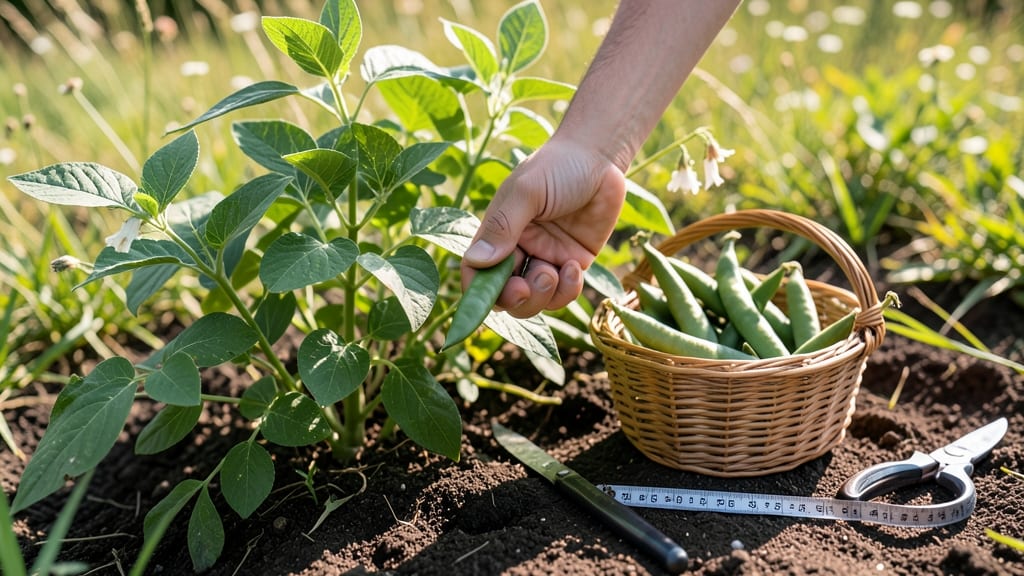
To pick green beans from your garden at the perfect moment means crisp, flavorful pods every time—before they toughen or the seeds swell.
Picture this: you’ve waited all season for your 🌱 green beans to thrive, and now the moment of harvest arrives. But how do you know when they’re truly ready? Snap them too early, and they’re underdeveloped; leave them too long, and they turn stringy or bitter.
The difference between a stellar harvest and disappointment often comes down to timing—and the right cues.
In zones like 6a, where green beans grow best from April through May, the harvest window stretches from July to September. Yet even in ideal conditions, picking at the wrong stage can ruin your crop.
Below, I’ll walk you through the exact size, color, and firmness checks so you never miss the sweet spot again.
You’ll also discover how to tell snap beans apart from shelling beans (they mature at different rates), plus pro tips to extend your harvest and keep your plants producing for weeks. Let’s dive in!


How to identify the perfect size for picking green beans
Harvesting green beans at the right moment transforms your garden into a flavor factory. The key lies in understanding three critical factors: pod length, seed development, and firmness. For most varieties, a 4-6 inch pod with small but visible seeds signals peak harvest time.
But timing varies slightly between snap beans and shelling beans, so let's break down the exact visual cues you should watch for each type.
First, examine the pod length using your thumb as a rough guide. Most green beans reach ideal harvest size when they measure about 1.5-2 inches wider than your thumb. This typically translates to 4-6 inches total.
However, some dwarf varieties may mature slightly smaller, while pole beans can grow longer before reaching peak flavor. Always check the variety's specific guidelines on your seed packet for precise measurements.
Next, focus on the seed development stage. When pods are ready for harvest, you'll notice tiny seeds through the pod wall but they shouldn't be bulging or filling the entire pod. For snap beans, even the slightest visibility of seeds means it's time to pick.
Shelling beans can tolerate slightly larger seeds but never let them become hard or yellow. This seed visibility test is your most reliable indicator of perfect timing.
Don't overlook the pod firmness test, which reveals the bean's crispness. Gently press a pod between your thumb and forefinger - it should feel firm with a slight give. If it's too hard, it's underripe. If it's soft or mushy, you've missed the window.
The perfect pod will snap cleanly when bent rather than bending or breaking unevenly. This texture test is especially important for bush beans, which mature faster than pole varieties.
| Harvest Cue | Snap Beans | Shelling Beans | Visual Check |
|---|---|---|---|
| Pod Length | 4-6 inches | 5-7 inches | Use ruler or thumb as guide |
| Seed Visibility | Just visible | Small but visible | Hold up to light |
| Pod Firmness | Crisp with snap | Firm with slight give | Press between fingers |
| Color | Vibrant green | Bright green | No yellowing or browning |
| Harvest Frequency | Every 2-3 days | Every 3-4 days | Check plants daily |
Color changes provide another important clue about harvest timing. The perfect green bean pod should maintain a vibrant green hue throughout. Any yellowing or browning indicates the bean has passed its prime.
For purple or speckled varieties, the color should remain consistent with the plant's natural hue - never fading or dulling. This color check works especially well for heirloom varieties, which often have distinctive pod colors that shift as they mature.
Pay attention to the plant's growth signals as well. When beans are ready for harvest, you'll notice new pods forming at the top of the plant while the lower pods reach maturity.
This continuous production means you should harvest every 2-3 days for snap beans and every 3-4 days for shelling beans. Regular harvesting encourages more production and prevents the plant from becoming overloaded, which can lead to stunted growth or disease susceptibility.
For pole beans, focus on the topmost pods first, as these mature slightly later than those lower on the vine. Use a small pruning shears or your fingers to gently twist pods off the vine to avoid damaging the plant.
The key is to harvest consistently throughout the season, as this encourages continuous production. If you notice pods developing fibrous strings, it's a clear sign you've waited too long and should harvest more frequently moving forward.
Remember that climate and variety play significant roles in harvest timing. In hotter climates, beans may mature faster and require more frequent picking, while cooler regions might extend the harvest window.
Always check your seed packet for days to maturity information, which provides a general timeline for when to expect your first harvest. Most green beans reach harvest readiness within 50-60 days of planting, but this can vary by 10-15 days depending on growing conditions.
To maximize your harvest, consider implementing a drip irrigation system that delivers consistent moisture without overwatering. This helps maintain optimal growing conditions throughout the season. And don't forget to
Snap beans vs. shelling beans: when to harvest each type
Green beans aren’t one-size-fits-all when it comes to harvest time. Snap beans and shelling beans each have distinct windows for peak flavor and texture. Miss the mark, and you’ll end up with tough, fibrous pods or shriveled seeds.
The key? Understanding the pod size, seed development, and variety-specific cues that signal it’s time to pick.
For snap beans, the window is narrow but sweet. These varieties—like Blue Lake or Contender—reach their prime when pods measure 4 to 6 inches long. At this stage, they’re crisp, tender, and packed with flavor.
Wait even a day or two, and the pods toughen up, making them unpalatable. Shelling beans, on the other hand, give you a little more leeway. Aim for pods that are 6 to 8 inches long but still have small, undeveloped seeds.
Overlook this, and you’ll harvest beans that are dry and hard to shell.
Snap Beans
- Quick harvest window (4-6 inches)
- Crisp, tender texture when fresh
- Ideal for fresh eating or quick cooking
- Toughens rapidly after peak ripeness
- Limited storage life post-harvest
- Requires frequent picking
Shelling Beans
- Longer harvest window (6-8 inches)
- Seeds stay fresh longer for drying
- Better for canning or freezing
- Pods become tough if left too long
- Seeds may overdevelop if ignored
- Less ideal for fresh eating
Climate plays a surprising role in harvest timing. In hot, dry regions, beans mature faster—sometimes in as little as 45 days—so you’ll need to check pods every 2 to 3 days.
Cooler climates, like USDA Zone 4 or 5, may stretch the window to 60 to 70 days, giving you more flexibility. Pole beans also tend to ripen slightly later than bush varieties, so adjust your schedule accordingly.
Pro tip: Keep a harvest journal to track when your specific variety reaches peak ripeness.
Don’t rely solely on size—color and texture are equally important. Snap beans should be a vibrant green or purple, depending on the variety, with a slight gloss. When you bend a pod, it should snap easily without bending back.
For shelling beans, the pods should still feel firm but slightly softer than snap beans. If you see yellowing or wrinkled pods, it’s a clear sign you’ve waited too long. These visual cues, combined with size, ensure you’re harvesting at the absolute peak.
Variety matters just as much as timing. Some heirloom snap beans, like Kentucky Wonder, stay crisp longer than commercial varieties, while shelling beans like Great Northern hold their quality until pods reach 7 to 8 inches.
Always check the seed packet for days to maturity and adjust your harvest schedule based on your local growing season. In short-season areas, prioritize early-maturing varieties to maximize your harvest before frost.
Remember, the more you pick, the more your plants produce. Snap beans thrive on frequent harvesting, so check your plants every 2 to 3 days during peak season. For shelling beans, you can stretch out harvests slightly, but don’t let pods linger past their prime.
With the right timing, you’ll enjoy a steady supply of fresh, flavorful green beans all season long. Happy harvesting! 🌱