
Planting
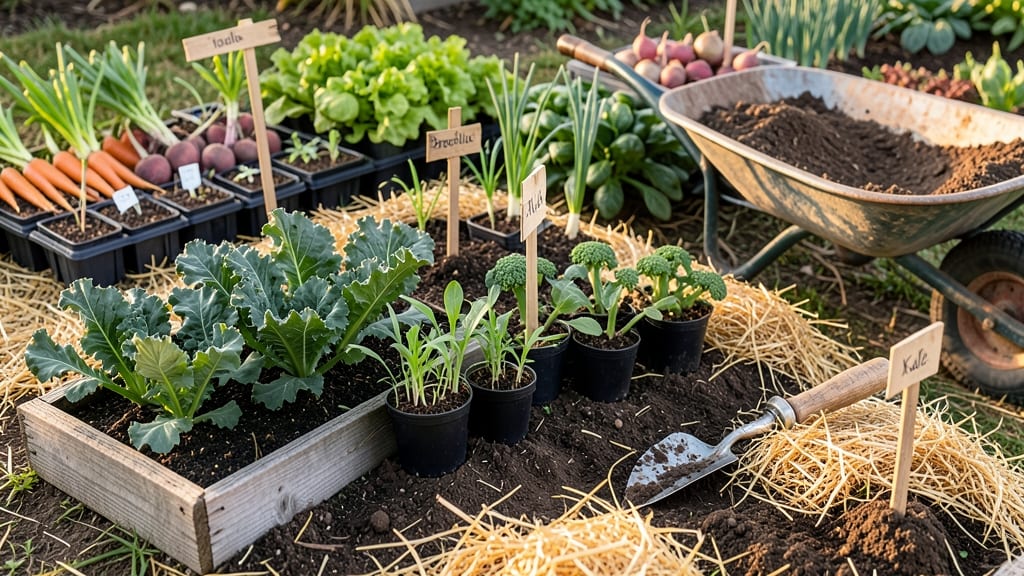
Planting a fall garden in Zone 7 between mid-August and early September is your best shot at a harvest before frost, but timing varies wildly by crop.
Missed your spring planting window? Don’t worry—Zone 7’s mild autumn climate is perfect for a thriving 🥬 fall garden, but timing is everything. Plant too early, and you’ll face summer heat stress; too late, and frost will ruin your harvest.
This isn’t just about throwing seeds in the dirt—it’s about matching each variety to its ideal window. Leafy greens like spinach need 60 days to mature, while root crops like carrots take 90 days or more.
Below, I break down the exact start dates for your top crops, soil prep tricks to beat the first frost, and how to stretch your harvest into December with row covers. Ready to turn your garden into a fall feast?
Zone 7 fall planting calendar: exact start dates by cool-season crop type
Zone 7’s mild autumn temperatures create an ideal window for cool-season crops, but precise timing prevents summer heat stress or frost damage. The average last frost date in Zone 7 ranges from mid-November in Piedmont to early November in the Shenandoah Valley.
Plant too early, and your leafy greens will bolt; too late, and root vegetables won’t mature before winter. Below is your variety-specific planting schedule broken into 30-60, 60-90, and 90+ day harvest categories.
For fastest harvests (30-60 days), focus on radishes, bush beans, and arugula.
These thrive when planted late July to early August in Piedmont or early August to mid-August in the Shenandoah Valley. Medium-term crops (60-90 days), like spinach, kale, and carrots, need August planting to mature before frost. Long-season varieties (90+ days), such as cabbage, broccoli, and Brussels sprouts, should start mid-to-late July for a winter harvest.
🌱
Adjust your planting dates 1-2 weeks earlier if your Zone 7 area experiences earlier frosts (e.g., higher elevations). For Piedmont gardeners, aim for mid-July starts for long-season crops, while Shenandoah Valley growers can extend planting until early September for quick-maturing varieties.
Always check your local frost forecast—a 10-day window before the first frost is your harvest deadline for most cool-season crops.
Soil temperatures in Zone 7 typically drop below 50°F (10°C) by mid-October, signaling it’s time to harden off seedlings and protect young plants with row covers. Succession planting every 2-3 weeks ensures a continuous harvest of leafy greens and herbs.
For example, sow radishes every 10 days from late July to early September to enjoy fresh harvests until frost.
🌿
Don’t overlook herbs and flowers in your fall garden—they thrive in cooler weather and add color and flavor to your harvest. Cilantro and parsley planted in early August will mature before frost, while pansies and snapdragons sown in late August bloom beautifully until winter. Calendula, a hardy annual, can even survive light frosts, providing edible petals for salads.
For longer harvests, use row covers or cold frames to extend the season by 2-4 weeks.
This is especially useful for broccoli, cabbage, and carrots, which can tolerate light frosts but struggle with hard freezes. Test your soil pH before planting—most cool-season crops prefer a 6.0-7.0 range. Amend with compost or lime
Top 10 fastest-growing fall crops for Zone 7 (harvest in 30-60 days)
Zone 7’s cool autumn days are perfect for growing fast-maturing crops that thrive in mild temperatures. These high-yield varieties deliver harvests in just 30-60 days, giving you fresh produce before winter sets in.
The key? Planting at the right time—too early, and summer heat will stress seedlings; too late, and frost will cut your harvest short.
For a continuous harvest, focus on cold-tolerant greens, root vegetables, and bush beans. These crops not only grow quickly but also handle light frosts (down to 25°F) without bolting or spoiling.
Pair them with companion plants like carrots and onions to deter pests and maximize space in your garden beds.
- 📅 Late August: Start radishes, arugula, spinach (30-40 days to harvest).
- 📅 Early September: Plant bush beans, turnips, lettuce (40-50 days to harvest).
- 📅 Mid-September: Sow kale, Swiss chard, beets (50-60 days to harvest).
- 📅 Late September: Direct-seed cabbage, carrots, peas (60 days to harvest).
- 💡 Pro Tip: Use succession planting every 2 weeks to keep harvests rolling.
Let’s dive into the top 10 fastest-growing fall crops for Zone 7. Radishes like 'Cherry Belle' mature in just 25 days and love cool weather, making them ideal for early September plantings.
Space them 1 inch apart in rows 3 inches apart for easy harvests. Pair radishes with lettuce or spinach to maximize bed space and deter pests like flea beetles.
For leafy greens, arugula and spinach are my go-to choices. 'Astro' arugula grows in 30 days and handles light frosts beautifully. Sow seeds ½ inch deep and thin seedlings to 4 inches apart once they sprout. Plant near carrots or beets to improve soil structure and deter pests naturally.
Bush beans like 'Blue Lake' are another high-yield favorite, ready to harvest in 50 days. They thrive in full sun and well-draining soil, so amend your beds with compost before planting. Space plants 4 inches apart in rows 18 inches apart and stake tall varieties to prevent lodging. Companion plant with corn or cucumbers to improve growth and deter bean beetles.
Don’t overlook turnips and beets, which double as edible greens and roots. 'Purple Top White Globe' beets mature in 55 days and grow well in partial shade.
Thin seedlings to 3 inches apart and harvest roots when 2-3 inches wide. Plant near onions or garlic to repel pests and improve flavor.
To keep your fall harvests going, use a succession planting schedule. Start with fastest-maturing crops (radishes, arugula) in late August, then add medium-speed varieties (bush beans, turnips) in early September, and finish with slower growers (kale, cabbage) in mid-September.
This ensures you’ll have fresh produce from October through December.