
Planting
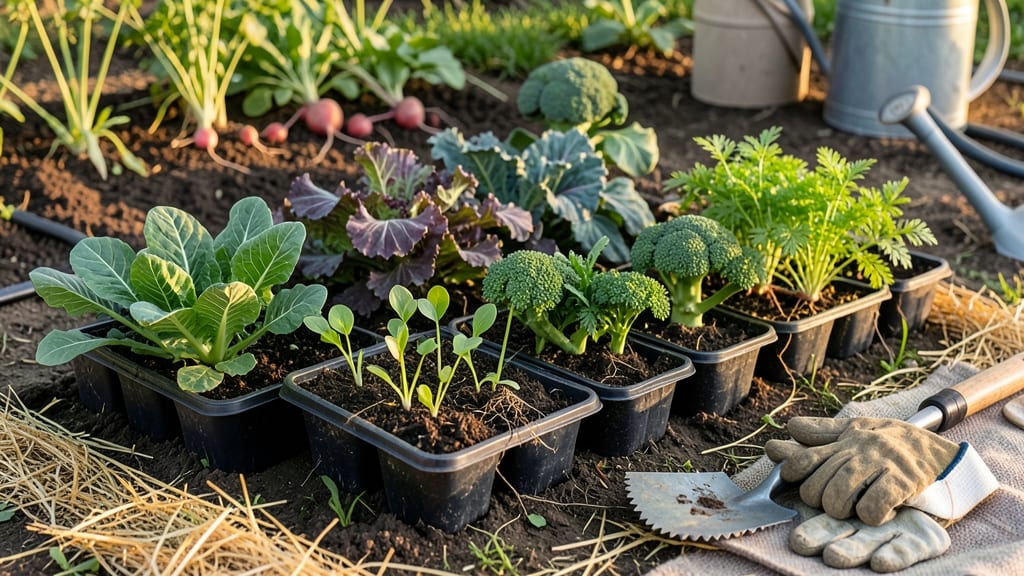
Planting a fall garden in Louisiana means starting 6 to 8 weeks before your first frost—typically mid-August to early September for most regions, but earlier in the hills and later near the coast.
Louisiana’s long, humid summers can make gardening a challenge—but with the right timing, you can grow a thriving fall garden that outlasts the heat. The key is knowing exactly when to plant heat-tolerant crops like okra, sweet potatoes, and malabar spinach to beat the humidity and maximize yields.
Unlike northern gardens, Louisiana’s extended growing season lets you push the limits. By planning around soil warmth, humidity levels, and regional frost dates, you can avoid wilting crops and enjoy fresh harvests well into winter.
In this guide, I’ll break down the exact weeks to plant by crop type, share soil prep tips for Louisiana’s clay-heavy soils, and reveal how to extend your garden’s season—even when the heat lingers.
Louisiana’s fall planting calendar: exact weeks to start heat-tolerant vegetables
Planting a fall garden in Louisiana requires precise timing to beat the lingering summer heat and humidity. The key is starting heat-tolerant crops 8-12 weeks before your first frost date—which varies from mid-November in North Louisiana to early December in New Orleans.
By following this schedule, you’ll avoid bolting leafy greens and maximize yields before winter sets in.
Louisiana’s climate divides into three distinct regions: North (USDA Zone 7b-8a), Central (Zone 8a-8b), and South (Zone 8b-9a). Each has unique frost dates and humidity levels that dictate your planting window.
For example, Shreveport’s cooler nights mean you can start earlier than Baton Rouge’s extended heat. Let’s break down the exact weeks to plant by crop type.
Pro Tip: Always test your soil’s moisture and temperature before planting. Ideal soil temps for fall crops should be between 60°F and 80°F—cooler than summer but warm enough to support germination.
| Crop Type | North Louisiana (Shreveport) | Central Louisiana (Alexandria) | South Louisiana (New Orleans) | Heat Tolerance Threshold |
|---|---|---|---|---|
| Leafy Greens (Spinach, Lettuce, Kale) | Week 8-10 (Aug 20 - Sep 5) | Week 9-11 (Aug 25 - Sep 10) | Week 10-12 (Sep 5 - Sep 15) | Up to 85°F with shade |
| Root Vegetables (Carrots, Beets, Radishes) | Week 6-8 (Aug 5 - Aug 20) | Week 7-9 (Aug 10 - Aug 25) | Week 8-10 (Aug 20 - Sep 5) | Up to 90°F with mulch |
| Brassicas (Broccoli, Cabbage, Cauliflower) | Week 10-12 (Sep 5 - Sep 15) | Week 11-13 (Sep 10 - Sep 20) | Week 12-14 (Sep 15 - Sep 25) | Up to 80°F with shade cloth |
| Heat-Tolerant Greens (Malabar Spinach, Swiss Chard) | Week 4-6 (Jul 25 - Aug 5) | Week 5-7 (Aug 5 - Aug 15) | Week 6-8 (Aug 5 - Aug 20) | Up to 95°F with mulch |
For leafy greens, start seeds indoors 4-6 weeks before your target outdoor planting date to give them a head start. Use shade cloth (30-50%) to protect tender seedlings from direct afternoon sun, which can cause bolting.
In North Louisiana, aim to transplant by early September, while South Louisiana gardeners can wait until mid-September when temperatures dip slightly.
Root vegetables like carrots and beets thrive in warmer soil but need cooler air to mature. Plant them 6-8 weeks before your first frost—soil temps should be 65°F-75°F for best germination. In Central Louisiana, this means starting in early August, while New Orleans can wait until mid-August due to delayed cooling.
Brassicas like broccoli and cabbage are less heat-tolerant and require cooler temperatures (60°F-70°F) to thrive. Plant them 10-12 weeks before frost—so early September in North Louisiana and late September in South Louisiana. Use row covers to protect young plants from late-season heat spikes, which can stunt growth.
If you’re in South Louisiana, don’t overlook heat-tolerant greens like Malabar spinach and Swiss chard. These can handle up to 95°F and even produce through early winter. Start them as early as late July in Shreveport or early August in New Orleans for a continuous harvest.
Remember, humidity is your biggest enemy in fall gardening. Increase airflow around plants with proper spacing (12-18 inches apart) and mulch heavily to retain moisture and regulate soil temperature. Avoid overhead watering in the evening to prevent fungal diseases like powdery mildew.
For extended harvests, consider using low tunnels or cold frames to protect crops from early frosts. This can push your growing season 2-3 weeks longer, giving you fresh greens well into December—just in time for holiday meals!
🌱
Best heat-tolerant crops for Louisiana fall gardens & how to extend their season
Louisiana’s late summer heat can linger well into September, making it tricky to establish a fall garden. But with the right heat-tolerant crops, you can beat the humidity and grow a productive garden.
These varieties thrive in 85°F+ temperatures and handle Louisiana’s high moisture levels better than traditional fall crops.
Choosing the right plants is just the first step. Proper soil preparation and mulching techniques will protect your crops from late-season pests and heat stress. I’ve grown these crops successfully in my Zone 8b garden—here’s what works best for extending your harvest into winter.
🌱 Top 5 Heat-Tolerant Crops for Louisiana Fall Gardens
- Okra: Thrives in heat, drought-tolerant, and ready in 50-60 days. Plant seeds mid-August to early September for fall harvest.
- Sweet Potatoes: Love humidity and heat. Start slips late July to August for harvest before first frost.
- Malabar Spinach: Heat-loving vine with tropical tolerance. Plant seeds June to early September for continuous harvest.
- Black-Eyed Peas: Drought-resistant and nitrogen-fixing. Sow seeds late July to September for fall/winter greens.
- Swiss Chard: Handles heat better than spinach. Start seeds mid-August for harvest before cold snaps.
For soil preparation, I always amend my beds with 2-3 inches of compost mixed into the top 6 inches of soil. This improves drainage and retains moisture during Louisiana’s hot, humid spells. A pH test is crucial—most of these crops prefer 6.0-6.8 pH.
Mulching is my secret weapon against late-season heat. I use straw or wood chips (never black plastic—it traps too much heat) to keep soil temperatures stable. For extra protection, I add a lightweight row cover during sudden cold snaps, which also deters pests like squash vine borers and aphids.
Watering strategy matters too. I water deeply early in the morning (before 8 AM) to reduce fungal risks from humidity. For container gardens, I use self-watering pots filled with coco coir mix to maintain consistent moisture without overwatering.
With these techniques, I’ve extended my harvest season by 6-8 weeks in my Louisiana garden. The key is starting early with heat-tolerant varieties and protecting them with proper mulch and watering routines. Your fall garden can be just as bountiful as spring—if you know the right tricks!