
Planting
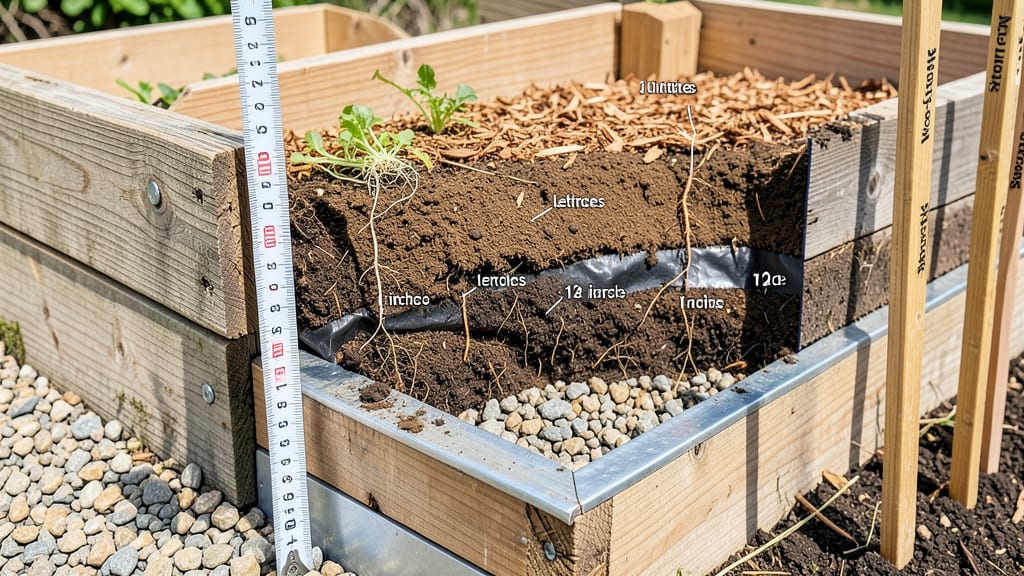
To figure out how deep to make raised garden beds, you’re giving your plants the room they need to thrive—6 to 12 inches is the sweet spot for most vegetables, herbs, and flowers 🌱.
But here’s the catch: too shallow, and your carrots will never grow straight; too deep, and you’re wasting space (and money) on soil your plants won’t use. The secret lies in matching depth to root size, drainage needs, and even your soil type.
In this guide, I’ll break down the science behind ideal raised bed depth—why 6 inches works for lettuce but 12 inches is better for tomatoes, how to adjust for heavy clay or rocky soil, and when to go deeper (or shallower) than the standard.
You’ll also learn how to fix common mistakes—like waterlogging or stunted growth—without tearing out your beds. Ready to build the perfect foundation for your harvest?
Optimal raised garden bed depth by plant type: root growth requirements explained
When building raised garden beds, the soil depth you choose directly impacts your plant's root development and overall health. Most standard beds range between 6 to 12 inches, but some plants—like deep-rooted vegetables—thrive with 18 inches or more.
Understanding these root growth requirements ensures your plants have the space to flourish without becoming root-bound or struggling for nutrients.
The key is matching your bed depth to the plant type. Shallow-rooted plants like lettuce, herbs, and radishes do well in 6-inch beds, while deep-rooted crops such as asparagus, carrots, and tomatoes need 12 to 18 inches of soil.
Even fruits like strawberries benefit from deeper beds to support their spreading roots. Let’s break down the science so you can design the perfect bed for your garden.
| Plant Type | Minimum Depth (inches) | Ideal Depth (inches) | Notes |
|---|---|---|---|
| Shallow-rooted veggies (lettuce, spinach, radishes) | 6 | 6-8 | Fast-growing; avoid overcrowding |
| Herbs (basil, parsley, cilantro) | 6 | 8-10 | Moderate root spread; mulch to retain moisture |
| Root crops (carrots, beets, parsnips) | 12 | 12-18 | Deep roots need loose, stone-free soil |
| Fruiting plants (tomatoes, peppers, strawberries) | 12 | 12-18 | Support heavy fruit with trellises |
| Perennials (asparagus, rhubarb, artichokes) | 18 | 18-24 | Long-term root development; amend soil annually |
| Flowers (marigolds, zinnias, sunflowers) | 6 | 8-12 | Most adaptable; prioritize drainage |
For shallow-rooted plants like lettuce or herbs, a 6-inch bed is perfect—these crops mature quickly and don’t need deep soil. However, even these plants benefit from 8 inches if you plan to mulch heavily or grow them for extended periods.
The extra depth helps retain moisture and prevents overheating during summer months.
On the other hand, deep-rooted vegetables such as carrots and parsnips demand at least 12 inches of soil to develop fully. If you’re growing asparagus or rhubarb, which are perennials, aim for 18 to 24 inches.
These plants send roots deep into the soil over years, and insufficient depth can stunt their growth or reduce yields. Think of it like giving your plants a root spa—they’ll reward you with bigger, healthier harvests.
One common misconception is that deeper beds are always better. While extra depth is ideal for certain plants, it’s not necessary for all. Overly deep beds can lead to poor drainage or excessive moisture, which may cause root rot.
Always pair your bed depth with well-draining soil and consider adding a layer of gravel or sand at the bottom if your area has heavy clay soil.
If you’re unsure about your local soil conditions, conduct a simple test: dig a hole about 12 inches deep and observe how quickly water drains.
If it takes longer than 30 minutes to drain, your soil may be too dense, and you’ll need to amend it with compost or perlite to improve aeration. For sandy soils, focus on retaining moisture with organic matter like leaf mold or coconut coir.
For container gardening or small spaces, you can still grow deep-rooted plants by using deep pots (18+ inches) or successive planting techniques. For example, harvest radishes early in the season to make room for carrots later.
This way, you maximize your bed’s potential without needing extra space. Just remember: root crops need loose soil—never compact the bed after planting to avoid stunted growth.
When designing your raised beds, consider layering soil types to optimize growth. Start with a 2-inch layer of coarse material (like gravel or broken pottery) at the bottom for drainage, followed by a mix
How to adjust raised bed depth for heavy or poor soil conditions
If your soil is clay-heavy, sandy, or packed with rocks, adjusting your raised bed depth can make all the difference. Heavy soils drain poorly, while sandy soils lose nutrients too quickly.
The right depth—combined with smart layering—helps you create an ideal growing environment. For most plants, a 12-inch depth is ideal, but deeper beds (18+ inches) work better for root crops or clay-heavy areas.
Before modifying your bed, test your soil’s drainage. Fill a jar with soil and water, then observe how quickly water drains. If it takes more than 30 minutes, you likely have clay soil that needs deeper beds and better drainage layers.
Sandy soil, on the other hand, drains too fast—here, focus on compost and organic matter to retain moisture.
Here’s how to choose the best approach for your soil type:
DIY vs. Pre-Built Raised Bed Modifications
- Pros: Custom depth, cost-effective
- Cons: Time-consuming, requires tools
- Pros: Quick setup, consistent quality
- Cons: Limited depth options, higher cost
- Add: 6” gravel base, 12” compost
- Avoid: Compacted soil layers
- Add: 50% compost, 30% peat moss
- Avoid: Pure organic matter overload
- Add: 18”+ depth, screen topsoil
- Avoid: Sharp rocks near roots
- Do: Layer compost and mulch
- Don’t: Skip drainage tests
For clay soil, start with a 6-inch gravel layer at the bottom to improve drainage. Then, fill the remaining space with a mix of topsoil and compost (50/50 ratio).
If your bed is only 6-8 inches deep, consider extending it to 12 inches to accommodate deeper-rooted plants like tomatoes or carrots. For sandy soil, focus on moisture retention by adding peat moss or coconut coir to your soil mix.
Rocky terrain requires extra planning. If rocks are too large to remove, build your bed 18 inches deep and use screened topsoil to avoid sharp edges.
For pre-built beds, choose ones with removable sides to easily extend depth. Always test your soil’s pH and drainage before planting—this ensures your adjustments work long-term.
Remember, deeper isn’t always better. A 12-inch bed suits most vegetables, while herbs and shallow-rooted plants thrive in 6-inch depths. Adjust based on your plants’ needs and soil type, and you’ll create the perfect growing environment.