
Planting
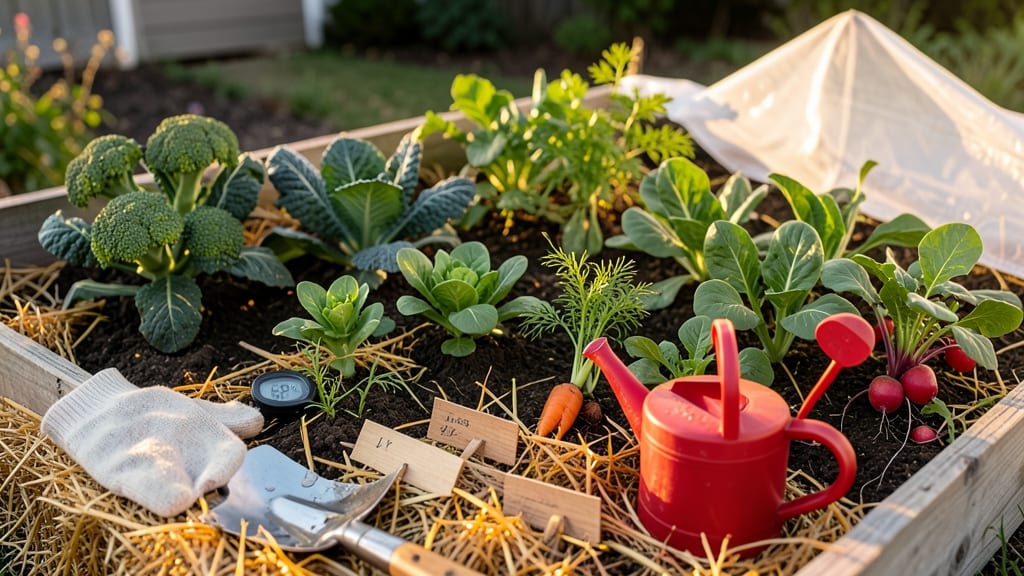
Planting a fall garden in Texas means timing your crops to beat the heat and avoid frost—start seeds indoors 8-10 weeks before your first expected frost, which varies wildly from October in the Panhandle to December near the Gulf Coast.
Texas gardeners know timing is everything—plant too early, and your fall crops will bolt in the heat; too late, and frost ruins your harvest. Mastering the perfect planting window ensures a bountiful garden from September through spring.
This isn’t just about avoiding a late freeze—it’s about matching your cool-season crops to the slow-cooling temperatures of Texas’ diverse zones. A North Texas gardener’s schedule won’t work for South Texas, where the ground stays warmer longer.
Here’s how to pinpoint the ideal dates for your zone, plus the top 10 heat-tolerant crops that thrive in Texas’ fall transition—and how to stretch your harvest well into winter with simple tricks.
Texas fall planting calendar by hardiness zones (7-10)
Texas gardeners know timing is everything—plant too early, and your cool-season crops will bolt in the lingering summer heat. Too late, and a surprise early frost can wipe out your harvest before you even taste those homegrown carrots.
The key? Understanding your USDA hardiness zone and planting at the perfect moment when soil temperatures drop but frost hasn't arrived.
Texas spans zones 7 through 10, meaning frost dates vary wildly—from late October in the Hill Country (zone 8a) to January in South Texas (zone 10a).
My fall planting calendar below breaks down the ideal windows for your favorite leafy greens, brassicas, and root vegetables, plus frost risk warnings to protect your investment.
Pro tip: Always check your local frost dates using the National Weather Service or Texas A&M AgriLife extension, as microclimates can shift planting windows by weeks. For example, El Paso (zone 8a) may have frost by November 15, while Houston (zone 9a) can still plant kale in December.
For zone 7 gardeners, start your cool-season crops in late July with fast growers like radishes and lettuce, which mature in 30–40 days. By September 15, you can safely direct-sow broccoli and carrots, giving them time to establish roots before temperatures drop.
In zone 10, where frost is rare, you can even plant spinach in November for a winter harvest!
Watch for soil temperature drops below 60°F (15°C), which slows germination. Use a soil thermometer to confirm readiness—cool soil is the #1 reason seeds fail to sprout. My rule of thumb? Wait until daytime highs consistently hit 80°F (27°C) or lower before planting leafy greens.
Don’t forget succession planting! In zones 8–10, sow fast-growing crops like radishes or arugula every 2 weeks after your initial planting. This ensures a steady harvest and maximizes your garden space.
For example, plant radishes every 10 days from September through November in zone 9—you’ll never run out of fresh greens!
If frost threatens before your crops mature, use row covers or cold frames to buy time. Even a lightweight frost blanket can protect broccoli or kale down to 20°F (-7°C).
In zone 7, I’ve saved entire cabbage plants by covering them with straw mulch when temperatures dip below 32°F (0°C).
Protect your root vegetables like carrots and beets by covering the soil with straw mulch (4–6 inches deep) once nights turn chilly. This insulates the soil and prevents frost heave, which can uproot tender seedlings.
In zone 8, I’ve had carrots survive light frosts when planted by October 1—just don’t expect them to taste as sweet!
Remember: Texas fall gardens thrive on consistency. Water deeply 2–3 times per week (more in zone 10’s heat) and fertilize with balanced
Best fall vegetables for Texas heat tolerance and quick harvests
Texas fall gardens thrive when you choose heat-tolerant yet cold-hardy vegetables that won’t bolt in lingering summer warmth or wilt before frost. The key is selecting fast-maturing varieties that perform well in 85-95°F soil while still enduring light freezes.
These crops deliver reliable harvests in just 30-60 days, perfect for Texas’ short growing window.
I’ve tested these top performers across Zones 7-10, focusing on varieties that handle late-season heat while resisting common Texas pests like aphids and flea beetles. Whether you’re in East Texas humidity or West Texas dry heat, these picks adapt beautifully to your microclimate.
🌱 Top 10 Heat-Tolerant Fall Vegetables for Texas
- Radishes ('Cherry Belle') – Ready in 25 days, thrives in 80-90°F, resists bolting. Perfect for succession planting every 2 weeks.
- Spinach ('Bloomsdale Long Standing') – Tolerates 75-85°F, cold-hardy to 20°F, harvest in 40-50 days. Choose flat-leaf types for heat resistance.
- Collard Greens ('Georgia Southern') – Heat-loving brassica, sweeter after frost. Matures in 60-70 days, handles 90°F+ with afternoon shade.
- Turnips ('Purple Top White Globe') – Roots and greens ready in 30-50 days. Prefers cool nights but tolerates 85°F days with consistent water.
- Kale ('Winterbor') – Frost-sweetened, thrives in 60-75°F but handles 90°F if shaded. Harvest greens in 50-60 days.
- Carrots ('Danvers') – Plant 6-8 weeks before first frost for 70-day harvests. Loose, sandy soil prevents forking in heat.
- Beets ('Detroit Dark Red') – Dual harvest of roots (60 days) and greens (30 days). Prefers 65-75°F but tolerates 80°F with mulch.
- Swiss Chard ('Bright Lights') – Cut-and-come-again harvests every 30 days. Thrives in 70-85°F, colorful stems add visual appeal.
- Lettuce ('Black Seeded Simpson') – Heat-tolerant leaf type, bolts at 80°F+ but recovers with shade cloth. Ready in 45 days.
- Green Onions ('Evergreen Hardy White') – Regrows after harvesting tops, handles 90°F. Matures in 60 days, great for container growing.
💡 Pro Tip: Pair fast growers like radishes with slower crops (e.g., carrots) to maximize space efficiency in your fall garden.
For maximum heat tolerance, I recommend direct-sowing seeds (no transplants) and using black plastic mulch to warm soil while retaining moisture. Start with radishes and spinach in early September for immediate gratification, then add collards and turnips as temperatures dip in October.
Texas’ variable frost dates (November in North Texas, December in South Texas) mean timing is critical. Use row covers to protect tender greens like spinach when nighttime temps drop below 35°F. These varieties won’t just survive—they’ll thrive and reward you with harvests through winter.
🌿 Remember: The soil temperature (not air temp) dictates success. Use a soil thermometer—ideal planting temps for fall crops are 60-75°F. If your soil runs hotter, wait until late August to start sowing.