
Tools
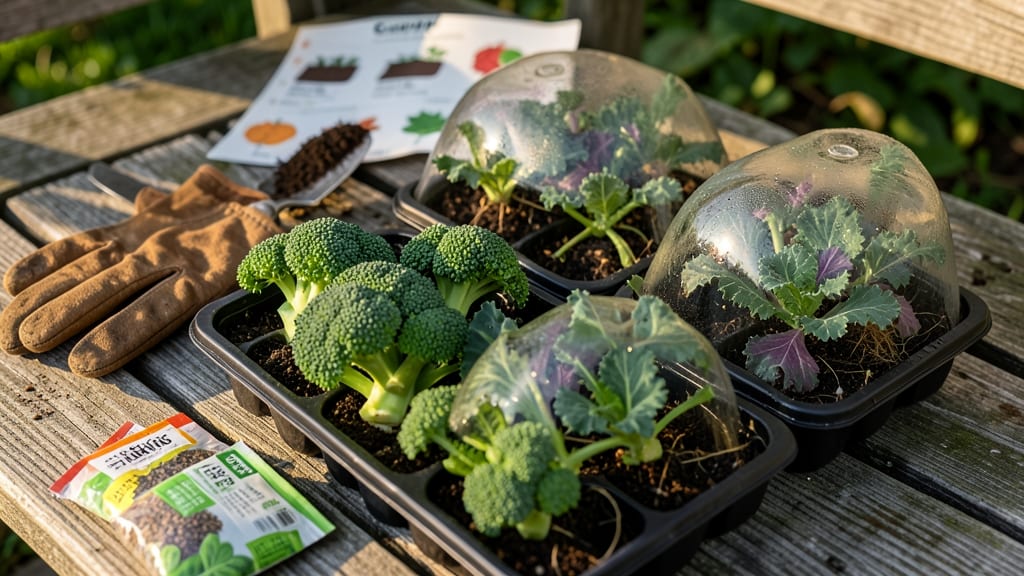
Starting a fall garden at the right time ensures a thriving harvest before winter sets in—miss that window, and you’re left with bolted greens or frost-bitten roots.
Timing your fall garden perfectly can mean the difference between a bountiful harvest and wasted effort—especially when cooler weather and shorter days create a narrow planting window.
In most regions, you’ve got just 8 to 12 weeks before the first frost to get seeds in the ground or transplants established. That’s why knowing your USDA zone and the ideal planting dates for your hardiness zone is the key to success.
Below, I break down the exact weeks before frost to start planting, the best cool-season crops for your zone, and how to stretch the season with simple tricks like mulching and row covers.
Fall planting timing by USDA hardiness zones: exact weeks before first frost
Getting your fall garden planted at the right time is crucial—too early and you risk bolting or pests, too late and frost will nip your crops in the bud. The key is knowing your USDA hardiness zone and counting back from your first frost date.
Most cool-season crops need 4-8 weeks to mature before frost hits, so timing is everything.
In Zone 3 (think Minnesota or Maine), where first frost arrives as early as mid-September, you’ll need to plant fast-growing crops like spinach and radishes by late July.
Meanwhile, in Zone 10 (Southern California or Florida), you can still sow kale or broccoli in early November thanks to mild winters. Let’s break down the exact windows for each zone.
🌱 Pro Tip: Use a soil thermometer to ensure soil temps are 50-75°F—cool enough for fall crops but not too cold. Most seeds won’t germinate below 40°F, even in frost-tolerant varieties.
| USDA Zone | First Frost Date | Transplant Window | Seed Start Deadline | Best Crops |
|---|---|---|---|---|
| Zone 3 | Mid-Sept | Late July | Early Aug | Spinach, Radishes, Arugula |
| Zone 4 | Late Sept | Early Aug | Mid-Aug | Kale, Carrots, Lettuce |
| Zone 5 | Early Oct | Late July | Early Sept | Broccoli, Peas, Beets |
| Zone 6 | Mid-Oct | Early Aug | Mid-Sept | Cabbage, Swiss Chard, Turnips |
| Zone 7 | Late Oct | Late July | Early Oct | Brussels Sprouts, Collards, Spinach |
| Zone 8 | Early Nov | Early Sept | Mid-Oct | Lettuce, Radishes, Green Onions |
| Zone 9 | Mid-Nov | Late Aug | Early Nov | Kale, Broccoli, Peas |
| Zone 10 | Late Dec | Early Oct | Early Dec |
Best fall vegetables to plant for high yield and how to extend their seasonFall gardening rewards you with high-yield crops that thrive in cooler temperatures. The key is selecting cold-hardy vegetables like broccoli, kale, and radishes that produce well before winter sets in. These varieties not only survive light frosts but often improve in flavor after exposure to 20-30°F temperatures. To maximize your harvest, focus on fast-maturing varieties that can be planted 6-8 weeks before your first frost date. This timing ensures they reach maturity before winter shuts down growth. For example, radishes mature in just 25-30 days, while broccoli takes 60-75 days—perfect for staggered planting. Extend your growing season with simple techniques like mulching and row covers. A 3-4 inch layer of straw mulch insulates soil, keeping roots warm and protecting plants from 25-30°F temperatures. For delicate crops like lettuce or spinach, use floating row covers to shield them from light frosts while allowing sunlight through. Succession planting is another game-changer. Sow fast-growing crops like radishes or arugula every 2 weeks until 6 weeks before frost. This ensures a continuous harvest and prevents overcrowding. Pair slower growers like broccoli or cabbage with quick-maturing bush beans to optimize space and yield. Don’t overlook soil preparation—fall gardens thrive in well-draining, nutrient-rich soil. Mix in compost or aged manure before planting to boost fertility. Test your soil’s pH (6.0-7.0 ideal) and amend if needed, as cool-season crops like brassicas prefer slightly acidic conditions. With the right crops and care, your fall garden can outperform summer plantings. Start with kale and broccoli for maximum yield, then layer in radishes and lettuce for quick wins. Just remember: timing is everything—plant too late, and frost will steal your harvest before it ripens. |