
Picking
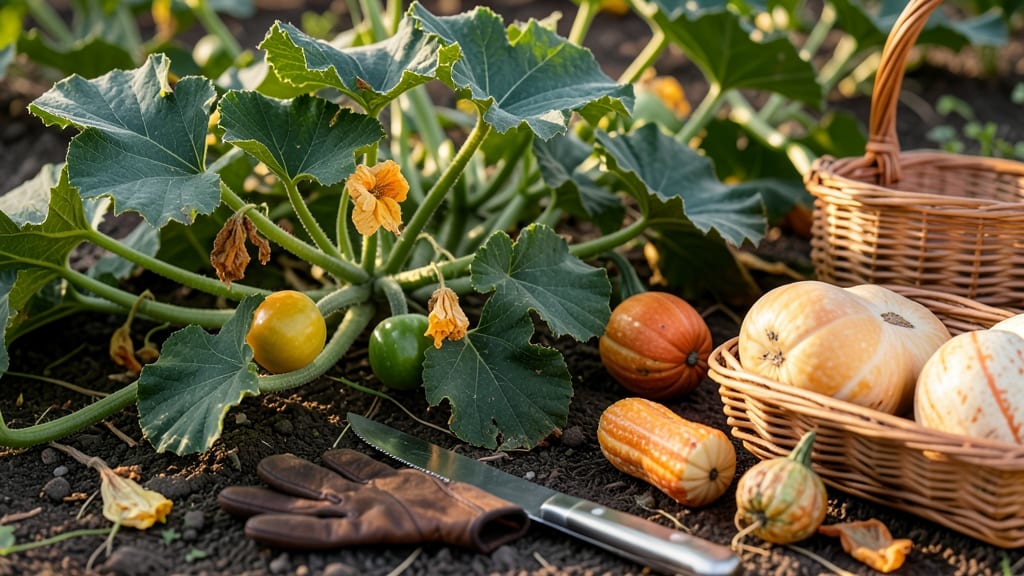
Picking squash from your garden at the right time turns a decent harvest into a flavor-packed feast—because one wrong move ruins everything.
Too soon, and you’ll end up with bland, seedy squash that’s barely worth eating. Too late, and it turns woody or rots on the vine, leaving you with nothing but regret. The good news?
You don’t need a degree in botany to nail the timing—just a few simple, hands-on tests that tell you exactly when your 🎃 zucchini, butternut, or pumpkin is ready to pick.
From checking skin hardness to watching for color shifts, I’ll walk you through the five foolproof ways to know your squash is at peak ripeness—no guesswork required.
Whether you’re a first-time gardener or a seasoned pro, these tricks will save you from the most common harvesting mistakes and keep your squash tasting fresh for weeks.
Ready to go from "meh" harvests to showstopping squash? Let’s get started with the signs you’ve been missing.
5 Tactile tests to determine when squash is perfectly ripe
Knowing exactly when to harvest your squash can feel like guessing—until you learn these simple tactile tests. Unlike hard fruits with obvious color shifts, squash ripeness relies heavily on touch and texture.
Summer squash like zucchini and yellow squash have different cues than winter varieties like butternut or pumpkins. I’ve used these methods for years to avoid mushy or overgrown squash, and they’ll work for you too.
Start by examining the skin hardness—this is your first clue. Press your fingernail into the squash’s skin. If it leaves a deep dent, it’s not ready. For summer squash, aim for a slight give (like a ripe avocado), while winter squash should feel rock-hard when fully mature.
This tactile check alone saves me from harvesting too early every season.
Next, check the stem separation. Gently wiggle the squash on the vine—if it detaches easily with a slight twist, it’s time to pick. For winter squash, the stem should dry and shrivel slightly before harvest.
Summer squash stems often stay green but feel dry to the touch when ripe. This test is foolproof for avoiding overripe squash that turns woody.
🌱 5 Tactile Tests for Perfect Squash Ripeness
-
1. Skin Hardness Test
Press fingernail: summer squash = slight dent, winter squash = no dent -
2. Stem Separation
Wiggle gently: stem should detach easily (summer) or dry slightly (winter) -
3. Color Consistency
Summer: vibrant green/yellow Winter: deep, even hue (no green patches) -
4. Size Thresholds
Zucchini: 6–8" long, Butternut: 12–18" long (check variety guidelines) -
5. Seed Development
Summer: small, soft seeds Winter: large, firm seeds (but not overgrown)
Pro Tip: Use these tests together—no single cue guarantees perfect ripeness!
Don’t overlook color changes, especially for winter squash. A butternut squash should turn a rich, even tan with no green streaks, while pumpkins develop deep orange or yellow hues. Summer squash colors are more subtle—look for fully developed green or yellow with no pale patches.
I once missed this cue and ended up with pale, bland zucchini that lacked flavor.
Size matters too, but it varies by variety. Zucchini should be 6–8 inches long when harvested, while yellow squash reaches 8–10 inches. Winter squash like acorn or spaghetti squash need to reach their full mature size before picking.
Measure against your plant’s expected yield—overlooking this leads to giant, difficult-to-handle squash that’s past its prime.
For seed development, cut open a squash to check. Summer squash should have small, soft seeds—if they’re large and firm, the squash is overripe. Winter squash seeds can be bigger but shouldn’t fill the cavity completely.
This test helps me avoid the bitter, fibrous texture that develops when squash sits too long on the vine.
Seasonal timing also plays a role. Summer squash must be picked before the first frost (usually by late September in most zones), while winter squash can wait until after a light frost to sweeten further.
I’ve learned to harvest winter squash in October for optimal storage life—any later, and they risk rotting before I can use them.
Finally, trust your instincts. If a squash feels too heavy for its size or the vine shows signs of yellowing leaves, it’s time to act. I’ve saved many a crop by acting on these subtle cues rather than waiting for "perfect" conditions.
The key is consistency—check your squash every 2–3 days during peak season to catch the ideal moment.
Mastering these tactile tests takes practice, but once you do, you’ll never second-guess your harvest again. Start with the skin hardness test, then confirm with the others. Your garden—and your dinner table—will thank you for it.
How to avoid common mistakes that ruin your squash harvest
Even with perfect growing conditions, your squash harvest can turn sour if you miss the ideal picking window. Overripe squash becomes woody and bitter, while underripe varieties stay bland and seedy.
The worst part? These mistakes are easy to avoid with just a little knowledge about variety-specific timing and vine health.
For example, heirloom pumpkins need more time to mature than zucchini, and ignoring their unique signals can mean wasted effort. Let’s break down the red flags that scream "harvest now" or "wait a few more days"—plus how to keep your plants healthy until that perfect moment arrives.
Don’t wait until your squash looks overripe—act fast when you spot these signs:
- Skin hardness: Press a fingernail into the squash—if it doesn’t dent, it’s ready.
- Stem drying: The stem should shrink and brown near the vine (use pruners to avoid damage).
- Color shift: Summer squash turns fully bright green/yellow; winter squash deepens to orange or tan.
Miss this window? Your squash may rot on the vine or lose flavor. Check daily during peak harvest months (July–September).
One of the biggest mistakes gardeners make is ignoring vine health before harvesting. If your squash plants show signs of premature bolting (sudden flower spike growth), they’re signaling stress—often from overcrowding or nutrient deficiencies.
To prevent this, thin seedlings early and side-dress with compost or balanced fertilizer when flowers appear.
Temperature also plays a sneaky role. Summer squash (like zucchini) should be picked when daytime temps stay above 70°F—cooler weather slows ripening. Meanwhile, winter squash (acorn, butternut) needs consistent warmth to develop sweetness.
If frost threatens before your pumpkins mature, harvest them slightly underripe—they’ll ripen indoors in a sunny spot.
Here’s your quick checklist for ideal harvesting conditions:
- ☑️ Vine health: Leaves should be green and vibrant (no yellowing).
- ☑️ Sunlight: Squash gets 6+ hours of direct sun daily.
- ☑️ Temperature: Avoid harvesting during heatwaves (>90°F) or before first frost.
- ☑️ Size: Compare to variety’s expected mature size (e.g., 6–8" for zucchini, 10–12" for acorn).
Pro tip: Harvest early morning when squash is cool and firm—this preserves texture and flavor. Use a sharp knife or pruners to cut stems, leaving a 1-inch stem attached to prevent rot.
Store in a dry, shady spot (50–55°F) for up to 2 weeks, or cure winter squash for longer storage.
By mastering these warning signs and conditions, you’ll go from guessing to growing like a pro—no more ruined harvests in sight! 🎃