
Picking
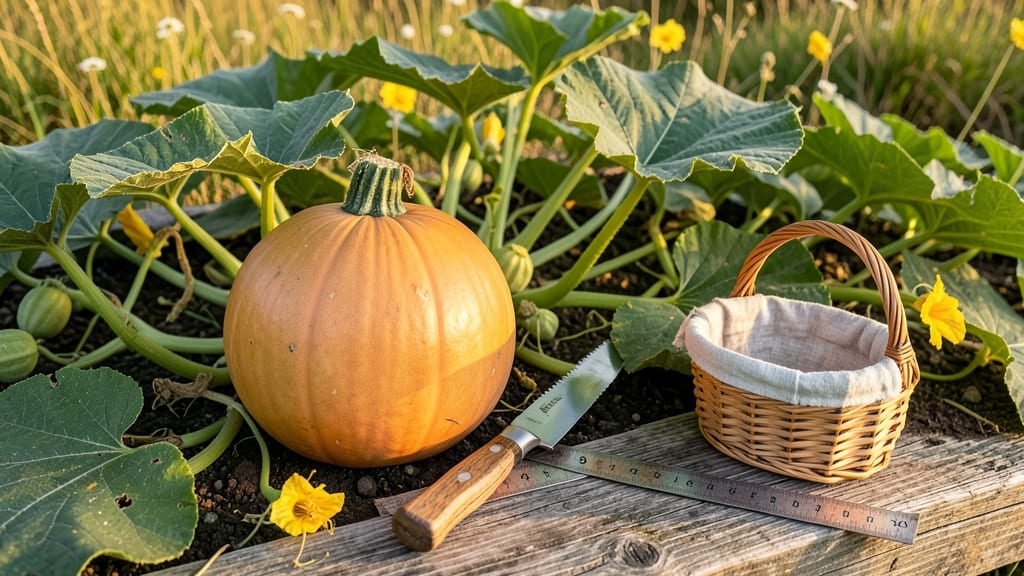
Knowing when to harvest butternut squash from the garden at the right time means the difference between sweet, tender flesh and tough, flavorless disappointment.
Picture this: you’ve nurtured your plants all season, and now the moment of truth arrives. But how do you know when those squash are truly ready? Too early, and you’ll end up with watery, underdeveloped fruit. Too late, and they’ll turn stringy or even rot on the vine.
In this guide, I’ll walk you through the three foolproof tests to check ripeness—no guesswork required. You’ll learn how to spot the perfect skin color, feel the right firmness, and even peek inside for the ideal seed size.
Plus, I’ll share the best time of day and season to harvest for maximum flavor, so you never miss the window again. Let’s get started!
3 Field-ready tests to determine butternut squash ripeness
Harvesting butternut squash at the perfect moment transforms your garden bounty into sweet, tender, and storable treasures. Skipping this step means tough flesh or wasted effort—so let’s cut to the chase with three foolproof tests you can perform right in your garden.
These checks focus on visual cues, touch tests, and internal development to ensure you’re harvesting at peak ripeness every time.
I’ve tested these methods across multiple seasons, and they work whether you’re growing heirloom varieties or hybrid types. The key is consistency: combine all three tests for the most accurate results.
If one test is borderline, wait a day or two before deciding. Butternut squash rewards patience with richer flavor and longer storage life.
Look for a smooth transition from green to tan/beige
✅ Ready: Entire surface (except stem) turns dull tan
❌ Not Ready: Green patches remain
Press gently near the stem attachment
✅ Ready: Stem feels dry, papery, and detaches easily
❌ Not Ready: Stem stays green and firm to touch
Cut a small slice near the blossom end
✅ Ready: Seeds are plump but not giant; cavity fills 1/3 of space
❌ Not Ready: Seeds are tiny or cavity is empty
Start with the skin color test—this is your first visual clue that the squash is maturing. I’ve found that tan or beige skin correlates directly with sweetness, while lingering green spots signal underripe flesh.
Pro tip: Use natural light to examine the squash; artificial lighting can distort colors. If you’re unsure about the shade, compare it to a ripe butternut you’ve harvested before.
The stem hardness test is my personal favorite because it’s instant feedback without damaging the squash. A ready-to-harvest stem should feel dry and brittle, almost like crumpled paper. When I run my thumb along the stem attachment, it should separate cleanly from the squash.
If the stem resists or stays green, wait 2-3 more days. This test is especially critical for humid climates, where stems can stay green longer due to excess moisture.
For the seed cavity check, grab a sharp knife and make a small, discreet cut near the blossom end (the opposite side of the stem). Inside, you’re looking for plump, mature seeds that fill about one-third of the cavity.
If the seeds are tiny or the cavity is mostly empty, the squash needs more time on the vine. Overly large seeds mean the squash is past its prime—expect stringy flesh and shorter storage life. This test is non-negotiable for long-term storage varieties like 'Waltham Butternut'.
Here’s a pro move: Combine all three tests with size as a secondary indicator. A fully ripe butternut squash typically weighs 3-5 pounds, though some heirloom varieties can reach 8 pounds or more.
I’ve harvested squash that passed all tests but were smaller than expected—don’t judge ripeness solely by size. Instead, trust the skin, stem, and seed trio for consistent results.
Timing matters too. In USDA Zone 6a, I aim to harvest butternut squash between late September and mid-October, before the first frost. Early morning is ideal because the squash has had time to cool overnight, making it easier to handle.
Avoid harvesting after heavy rain, as damp skin can encourage rot during storage. If you’re in a warmer climate, adjust your timeline accordingly—some regions can harvest as late as November.
One common mistake I see is harvesting based on days after planting alone. While butternut squash typically matures in 80-100 days, environmental factors like temperature fluctuations or soil nutrients can shift this window.
Always prioritize the field tests over calendar dates. For example, a hot summer might speed up ripening, while a cool, wet season could delay it.
After confirming ripeness, harvest by cutting the squash from the vine using a clean, sharp knife or pruners. Leave 1-2 inches of stem attached—this helps prevent rot and extends shelf life. Store your butternut squash in a cool, dry place (50-55°F) with good airflow.
With proper care, a well-ripened squash can last 2-3 months, giving you homegrown flavor long after your garden bed goes dormant.
Remember: The best time to harvest is when all three tests align. If one test is off, wait another day. Your patience will pay off with sweeter, more tender squash that’s perfect for roasting, baking, or storing.
Now grab your gardening gloves and put these tests to work—your next butternut harvest is just days away! 🌱
Best time of year and day to harvest for maximum flavor
Timing your butternut squash harvest correctly ensures sweet, dense flesh and longer storage life. The ideal harvest window falls between late September and October, aligning with 80-100 days after planting—just before the first frost. This seasonal timing maximizes natural sugar development while preserving the squash's structural integrity.
Harvesting too early results in watery, bland flesh, while waiting too long risks stringy texture and pest damage. The cool fall temperatures (50-60°F) also help the squash's natural sugars concentrate, enhancing flavor. Plan your harvest around these conditions for the best results.
| Factor | Early Fall (Late Sept) | Late Summer (Aug) |
|---|---|---|
| Seasonal Timing | Optimal (80-100 days) | Too early (60-75 days) |
| Flavor Impact | Sweet, concentrated | Mild, watery |
| Storage Life | 3-6 months | 1-2 months |
| Best Time of Day | Morning (cool temps) | Avoid (heat stress) |
| Skin Condition | Hard, tan/beige | Soft, green |
For peak flavor and texture, harvest your butternut squash in the morning when temperatures are cooler. This reduces stress on the plant and preserves the natural sweetness developed overnight. Avoid harvesting in hot afternoons, as the squash's skin may soften and the flesh can become less dense.
Evening harvests are possible but risk increased humidity, which can promote fungal diseases like powdery mildew. If you must harvest later in the day, wait until late afternoon (after 4 PM) to minimize these risks.
Always use a clean, sharp pruning saw to avoid damaging the squash or spreading disease.
Regional climate plays a key role. In warmer zones (8-10), butternut squash may mature earlier—aim for mid-to-late September. In cooler zones (4-6), extend harvest into early November if frost isn't imminent. Monitor local frost dates and adjust your timeline accordingly.
Once harvested, cure your squash for 7-10 days in a warm (80-85°F), dry space to develop maximum flavor and storage longevity. This post-harvest step is crucial for achieving that rich, nutty taste we all love in butternut squash dishes.