
Flowers
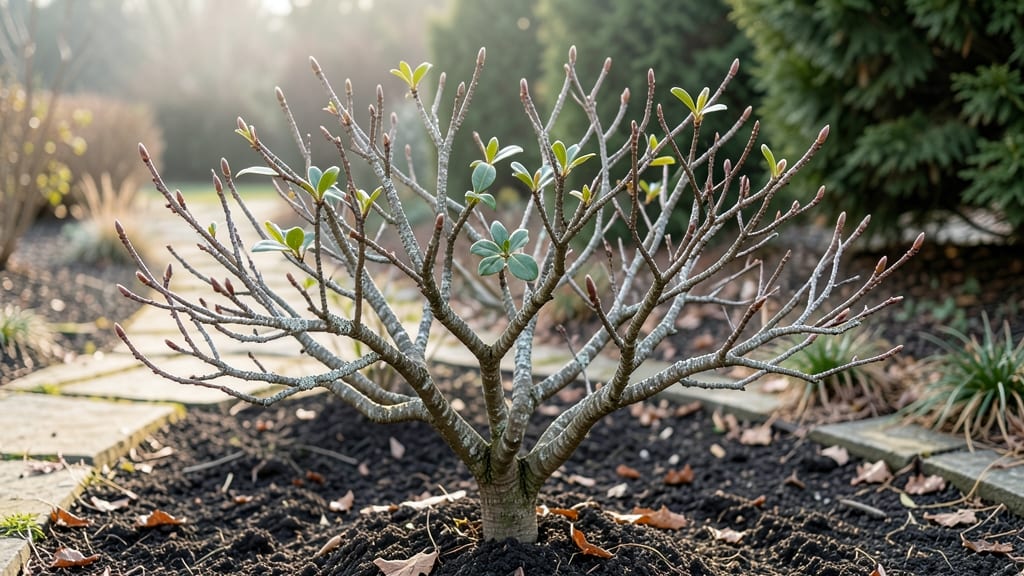
What do gardenias look like in the winter? They can appear drastically different, often losing their glossy leaves and shrinking back into a dormant state 🌸 that surprises even seasoned gardeners.
If you’ve ever wondered whether your gardenia plant has vanished for good during winter’s chill—or if it’s just biding its time—you’re not alone. The truth is, these fragrant shrubs enter a natural resting phase when temperatures dip, leaving behind bare stems and a few stubborn leaves.
But don’t panic: with the right care, your gardenia will bounce back stronger in spring.
In colder zones (7-9), gardenias may shed nearly all their foliage, while milder climates (Zone 10) might retain a few leaves. The key is recognizing the difference between healthy dormancy and trouble—think shriveled stems versus mushy bark.
I’ll walk you through what to look for and how to support your plant through the winter slump.
You’ll also discover simple adjustments like reducing water, protecting roots from frost, and when to prune for a head start on next year’s blooms.
By the time spring rolls around, your gardenia will be ready to reward you with those iconic white flowers—if you give it the winter care it deserves.
How gardenias change appearance during winter dormancy
When winter arrives, gardenias transform dramatically, often leaving gardeners wondering if their prized shrubs have vanished forever. In reality, these evergreen plants enter a dormant state, conserving energy for spring blooms.
The changes you’ll notice depend heavily on your climate zone—whether you face freezing winters or mild, coastal conditions.
In colder zones (USDA 7 and below), gardenias may shed 70-90% of their leaves, while in milder zones (USDA 8-10), they might retain 30-50% of foliage. The stems also shrink slightly as the plant redirects nutrients to roots. Don’t panic—this is completely normal behavior.
Leaf shedding is the most obvious sign of dormancy. Leaves turn yellow or brown before dropping, especially in colder climates. In mild winters, some leaves may stay green but appear dull and brittle. This isn’t disease—it’s the plant’s way of reducing water loss during dry winter months.
Bud formation is another key indicator. Even in winter, gardenias prepare for spring by forming tiny green buds along stems. These buds are often hidden under leaves or along bare branches. In warmer climates, buds may even bloom sporadically, while colder zones see buds form but remain dormant until temperatures rise.
The stem color also shifts subtly. Healthy stems darken to a deep brown or grayish hue, while unhealthy stems may appear blackened or mushy. This color change helps the plant insulate against cold and prevents moisture loss. In indoor gardenias, stems might stay lighter but still firm.
Root activity slows dramatically, but roots remain alive beneath the soil. They absorb minimal water and focus on storing nutrients for spring growth. In container-grown gardenias, roots may shrink slightly due to reduced watering, which is why well-draining pots are crucial during winter.
Color shifts in foliage are another clue. Leaves may develop a silver or blue-green tint in cold weather, a natural response to reduced sunlight. This isn’t frost damage—it’s a protective mechanism. In southern climates, gardenias might retain their dark green color but grow slower.
In container gardenias, winter dormancy looks different because pots dry out faster. You’ll notice soil shrinking slightly and leaves curling inward to conserve moisture. Unlike outdoor plants, container gardenias can’t access deep soil moisture, so reduced watering is critical to prevent root rot during dormancy.
One of the most reassuring signs is new growth at the base of the plant, even in winter. These pinkish or reddish shoots indicate the plant is alive and preparing for spring.
In warmer climates, you might spot occasional blooms on dormant plants—a sure sign of resilience. These blooms are smaller but just as fragrant!
If your gardenia looks completely bare with no signs of buds or new growth, don’t worry—it’s likely just deep in dormancy. The real test comes in early spring when you’ll see rapid leaf regrowth and the return of those iconic white blooms. Until then, trust the process!
Key differences: dormant gardenia vs. dead or diseased plant
A dormant gardenia and a dead or diseased one can look eerily similar in winter—both may shed leaves and slow growth. But knowing the key differences can save your plant from unnecessary grief.
Dormancy is a natural survival strategy, while disease or death signals irreversible damage. Let’s break down how to tell them apart.
First, examine the bark texture. Healthy dormant gardenias have smooth, slightly thickened bark that may appear grayish-brown. In contrast, diseased or dead plants often show cracked, peeling, or discolored bark—sometimes with blackened spots or mold. Run your fingers gently over the stems to check for these signs.
Next, inspect the roots (if possible). Dig carefully around the base—healthy roots are firm, white, or light tan. Rotten roots smell foul and feel mushy, while dead roots are dry and brittle. If you spot these, your plant may already be beyond saving.
Look for buds or new growth hidden beneath the surface. Dormant gardenias often have tiny, tightly closed buds ready to burst in spring. Diseased plants rarely show these signs, and dead plants have no buds at all. Even a single bud signals life.
Dormant Gardenia
Dead/Diseased Gardenia
Pay attention to stem color too. Dormant gardenias retain a greenish hue under the bark, while dead or diseased stems turn entirely brown or black. If you see yellowing or wilting even in winter, that’s a red flag for disease or stress.
Finally, check for regrowth patterns in early spring. Healthy dormant gardenias sprout fresh leaves and buds within 4-6 weeks of warmer weather. If your plant shows no signs of revival by late winter, it’s likely dead. Early intervention—like adjusting water or mulching—can often revive a dormant gardenia.
When in doubt, wait until late winter to prune dead branches. Sometimes, what looks like death is just a delayed reaction to winter stress. Patience and observation are your best tools! 🌿