
Tools
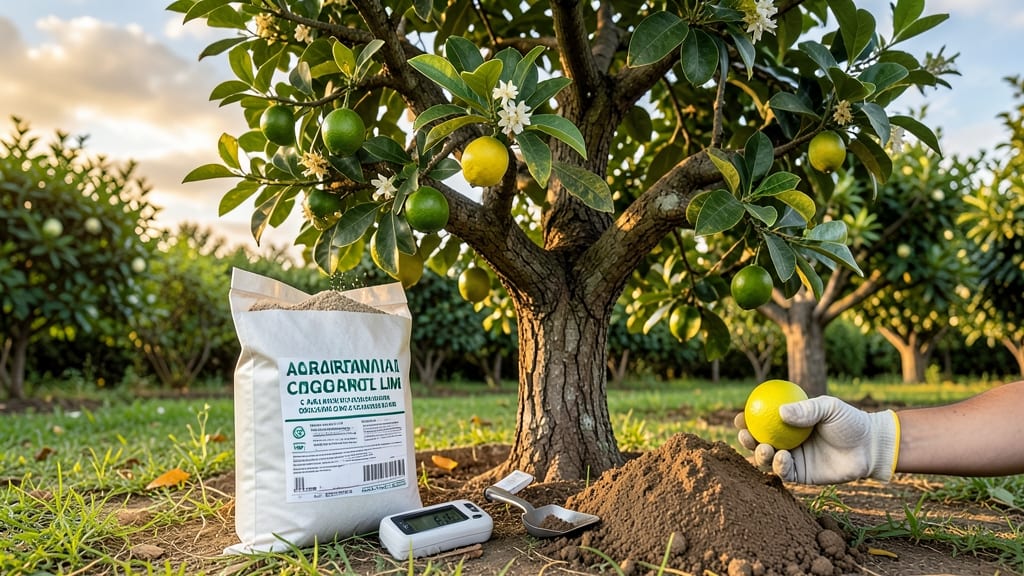
Lime in gardening is used to adjust soil acidity, deter pests like slugs and snails, and enhance nutrient absorption for acid-sensitive plants such as azaleas and blueberries.
Lime works by raising soil pH levels, which is especially helpful when your garden soil is too acidic. 🌱 The calcium and magnesium in lime not only balance acidity but also improve soil structure, making nutrients like phosphorus and nitrogen more accessible to plants.
This is why gardeners often apply lime to lawns before planting acid-sensitive crops or ornamental plants.
Beyond soil chemistry, lime creates an unwelcoming environment for pests like slugs and snails, which prefer moist, acidic conditions. The shift in soil composition disrupts their habitat, giving your plants a natural defense.
For best results, test your soil's pH first—most garden plants thrive in a slightly acidic to neutral range (6.0-7.0), and lime application should be tailored to your specific needs.
💡 In This Article
- How Lime Adjusts Soil pH and Boosts Plant Health
- Practical Lime Application Methods for Gardens and Lawns
How lime adjusts soil pH and boosts plant health
Lime works its magic through a simple but powerful chemical reaction.
When you apply it to acidic soil, the calcium carbonate (CaCO₃) in lime reacts with hydrogen ions (H⁺) in the soil, neutralizing acidity and raising the pH. This process releases calcium and magnesium ions that plants crave, while binding with aluminum and manganese—two minerals that become toxic in acidic conditions.
For example, a soil pH of 5.0 might contain harmful levels of aluminum, but raising it to 6.5 with lime makes these nutrients plant-safe. 🌿 The transformation happens gradually, typically over several weeks, depending on soil type and moisture levels.
This pH adjustment directly impacts nutrient availability. Plants need phosphorus most when soil pH is between 6.0 and 7.0, and lime helps achieve that sweet spot. Without lime, phosphorus binds tightly to soil particles, making it inaccessible to roots.
Similarly, nitrogen becomes more bioavailable in neutral pH ranges, supporting lush green growth. You'll notice the difference most dramatically with acid-loving plants like azaleas and blueberries—when their soil pH is properly balanced, they produce vibrant blooms and fruit rather than struggling with chlorotic (yellowing) leaves.
The benefits extend beyond chemistry to physical soil structure. Lime improves soil aggregation by encouraging microbial activity that binds soil particles together. This creates better aeration and drainage, which is especially valuable in clay soils that become compacted when too acidic.
Over time, this leads to healthier root systems that can explore deeper for water and nutrients. For vegetable gardens, this means stronger plants that resist disease and produce higher yields. The key is consistency—regular lime applications maintain optimal conditions without overcorrecting to alkaline levels.
Not all lime is created equal, though. Dolomitic lime contains both calcium and magnesium, which is ideal for magnesium-deficient soils, while agricultural lime (calcium carbonate) is faster-acting. For most gardeners, a soil test determines which type and how much to use.
A reading of 5.5 or lower typically signals the need for lime, with recommended rates varying by soil type—sandy soils need less than clay soils to achieve the same pH shift. 💡 The goal is to move toward neutral (7.0) for most vegetables, but acid-lovers like potatoes and strawberries can tolerate slightly lower pH levels.
One common misconception is that lime only benefits acid-loving plants. In reality, even plants that prefer slightly acidic conditions (like tomatoes) perform better when their soil isn't overly acidic, as extreme pH levels can lock out essential nutrients.
The sweet spot is often between 6.0 and 6.8 for most garden crops. For example, peppers thrive at 6.0-6.5, while beans prefer 6.0-7.0. This balance ensures plants can access the full spectrum of nutrients they need to grow vigorously.
Consider this real-world example: A gardener struggling with yellowing leaves on their blueberry bushes might apply lime to raise the pH from 4.5 to 5.5. Within weeks, the plants show improved vigor, and the following season produces larger, healthier berries.
The same principle applies to lawns—lime helps grassroots access nutrients more efficiently, resulting in a thicker, greener turf. The transformation isn't just about aesthetics; it's about creating an environment where plants can thrive without stress.