
Pests
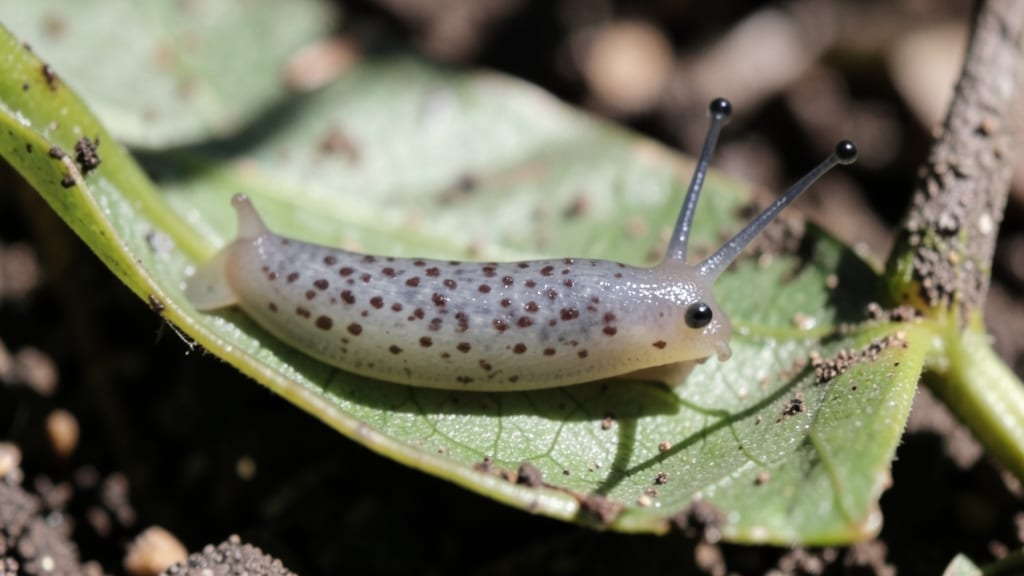
Crispy-fried spotted garden slugs sound weird, but I’ve turned my worst garden pests into a zesty, crunchy snack that’s surprisingly addictive. 🌿 The secret lies in the right mix of cornmeal, spices, and a hot pan—transforming slimy invaders into golden, crispy bites in under 10 minutes.
Most people recoil at the idea, but slugs are packed with protein and minerals, and the texture? Shatteringly crisp when fried just right. You’ll need a handful of fresh slugs (harvested after rain), a simple dry rub of garlic powder and paprika, and a well-heated skillet.
No fancy equipment—just patience and a little boldness.
The first bite is a revelation: the outside snaps like a potato chip, while the inside stays tender, with a briny, umami flavor that pairs perfectly with a bright lemon-herb dip.
Your garden will thank you too—fewer slugs mean more intact lettuce and basil. This method works year-round, as long as you can find them.
Fair warning: it’s an acquired taste, but once you try it, you’ll see slugs differently. The key is speed—get them from the garden to the pan within 30 minutes to keep them fresh. Here’s how to make it foolproof, even for skeptics.
What Lures Slugs Into Gardens
If your garden has become a buffet for spotted garden slugs, you’re not alone—these slimy intruders are drawn by a mix of environmental, food-related, and seasonal triggers. Understanding why they show up helps you outsmart their sneaky habits.
Let’s break down the top reasons these pests invade your plants, so you can turn the tables with targeted defenses.
🌱 Moisture-Rich Havens: Their Perfect Hideout
Slugs thrive in damp, shaded environments where humidity lingers. Here’s why your garden might be their dream spot:
- Overwatering or poor drainage: Slugs seek out soil that stays soggy for days. If your garden retains moisture (like clay-heavy soil or poorly drained beds), it signals an all-you-can-eat buffet. Pro tip: Test your soil’s drainage—if water pools after 30 minutes, amend with compost or sand.
- Dewy mornings and heavy shade: Slugs are nocturnal and love hiding under mulch, boards, or dense foliage where dew collects. Actionable fix: Reduce ground cover in shaded areas or use slug-resistant mulch like gravel or pine needles.
- Rainy seasons or irrigation overspray: A sudden downpour or sprinklers that mist leaves create the perfect slug party. Solution: Water deeply but infrequently (early morning is best) and avoid wetting foliage.
🍃 The Allure of Tender, Young Plants
Slugs have a serious sweet tooth—especially for:
- Succulent stems and leaves: Plants like lettuce, hostas, and marigolds are slug magnets because their soft tissue is easy to devour. Why? Young, tender growth contains higher moisture and fewer defensive compounds.
- Decaying organic matter: Compost piles, fallen fruit, or rotting wood aren’t just food—they’re slug hotels. A single pile can host hundreds of eggs.
- Fungal-feeding habits: Some slug species (like the spotted garden slug) munch on fungal spores on plant surfaces. Action: Remove dead plant debris promptly and space plants for airflow.
🌙 Nighttime Foraging: When They Strike
Slugs are crepuscular (most active at dawn/dusk), which explains why your plants look fine by day but get shredded overnight. Their behavior is tied to:
- Predator avoidance: Birds, frogs, and beetles hunt slugs during daylight, so they wait until cover of darkness to graze.
- Temperature preferences: They avoid extreme heat or cold, so they’re most active in 55–75°F (13–24°C) conditions. Solution: Use reflective mulch or diatomaceous earth to disrupt their nightly raids.
- Scent trails: Slugs leave a slime trail to follow each other—once one finds food, the whole gang follows. Break the chain: Disrupt trails with copper tape or wood ash barriers.
🌍 Seasonal Surges: When They Swarm
Slug populations explode during:
- Spring and fall: Mild, damp weather triggers egg-laying. A single slug can lay 40–50 eggs in a season!
- After disturbances: Digging, tilling, or even heavy rain can expose slug eggs buried in the soil, hatching a new generation.
- Drought followed by rain: Paradoxically, slugs thrive after dry spells because the sudden moisture reactivates dormant eggs.
💡 Pro Tip: Monitor your garden in early spring and after major rain events—these are peak slug alert times. Set out beer traps or handpick slugs before they multiply.
Natural Ways to Manage Garden Slugs
Slugs may seem like a small problem, but their damage can add up quickly—especially when dealing with spotted garden slugs that leave behind telltale slime trails and ragged plant edges. The good news?
You don’t need harsh chemicals to keep them in check. Below are targeted, eco-friendly solutions tailored to common causes, along with prevention tips to keep your garden slug-free long-term.
🌱 Fix Overwatered or Damp Soil
Slugs thrive in moist conditions, so reducing excess water is the first line of defense.
How to Fix It:
- 🔥 Adjust Your Watering Schedule – Water early in the morning so soil dries faster. Avoid overhead sprinkling, which keeps slugs happy and hydrated.
- 🍳 Improve Drainage – Amend heavy clay soil with compost or sand to help it dry out between waterings. Raised beds can also reduce slug activity.
- 👨🍳 Use Mulch Wisely – While mulch retains moisture, opt for dry, coarse materials like straw or wood chips instead of fine bark or leaves, which hold moisture longer.
💡 Prevention Tip: Install soil moisture sensors to monitor dampness and adjust watering accordingly.
🍴 Trap or Remove Slugs Physically
For a hands-on approach, manual removal is effective—especially for small infestations.
How to Fix It:
- 🥘 Beer Traps – Bury a shallow container (like a yogurt cup) filled with beer up to the rim. Slugs are attracted to the yeast but drown. Refresh every few days.
- 🔪 Handpick at Night – Slugs are most active after dark. Use a flashlight and gently relocate them to a dry, sunny spot (they’ll likely die or move away).
- ⏰ Barrier Methods – Create a copper tape barrier around vulnerable plants (slugs dislike the electric charge). Alternatively, sprinkle diatomaceous earth (food-grade) around the base of plants—it dehydrates them.
💡 Prevention Tip: Rotate trap locations to prevent slugs from learning where to avoid.
🌡️ Introduce Natural Predators
Let nature do the work by encouraging slug-eating allies in your garden.
How to Fix It:
- 🐌 Attract Ground Beetles & Frogs – These predators love slugs! Leave some bare soil or rock piles for them to hide in. A small pond or shallow water dish can also draw frogs.
- 🐔 Add Chickens or Ducks – If you have space, free-range poultry will devour slugs as part of their diet. Even a few hens can make a difference!
- 🐝 Support Beneficial Nematodes – These microscopic worms (Phasmarhabditis hermaphrodita) infect and kill slugs. Apply them to moist soil in the evening for best results.
💡 Prevention Tip: Avoid pesticides—they can harm slug predators like ground beetles and earthworms.
🎯 Block Access with Physical Barriers
Prevent slugs from reaching your plants in the first place.
How to Fix It:
- 🛡️ Use Slug Collars – Wrap copper tape, aluminum foil, or crushed eggshells around the base of young plants. Slugs won’t cross these rough or metallic edges.
- ✨ Eggshells & Coffee Grounds – Crush eggshells or sprinkle used coffee grounds around plants. The sharp edges deter slugs, and the caffeine in coffee is toxic to them.
- 🌿 Raised Beds & Containers – Grow susceptible plants in elevated containers or window boxes—slugs struggle to climb smooth surfaces.
💡 Prevention Tip: Check under pots and mulch regularly—slugs love hiding in these spots during the day.
✨ Long-Term Prevention Strategies
Once you’ve addressed the immediate issue, keep slugs from returning with these proactive steps:
- 🌿 Plant Slug-Repellent Herbs – Surround vulnerable plants with garlic, thyme, mint, or chives. Slugs dislike their strong scents.
- 🌞 Encourage Sun Exposure – Slugs avoid dry, sunny areas. Prune shade plants to allow more sunlight into the garden.
- 📅 Regular Inspections – Check for slime trails (silver-gray paths) or notched leaves weekly, especially after rain.
By combining targeted fixes with preventive habits, you can keep spotted garden slugs under control without resorting to chemicals. Try one or two methods first, then adjust based on what works best in your garden! 🌿💚
Frequently asked questions
How do I harvest spotted garden slugs for frying?
Use a flashlight after dark—they’re most active then! Gently scoop them into a container with damp paper towels to keep them fresh. Avoid handling them bare-handed, as their slime can irritate skin. Harvest slugs within 30 minutes of collection for the best texture and flavor.
What’s the best way to prepare slugs for frying?
Rinse them thoroughly under cold water to remove dirt, then pat dry with paper towels. For extra crispiness, soak them in a cornmeal slurry (1 cup cornmeal + 1 cup water) for 10 minutes before frying. This step ensures a golden, shatteringly crisp exterior.
Can I use frozen slugs for frying?
Frozen slugs work, but texture suffers—thawed slugs can become mushy. If you must freeze them, pat them completely dry after thawing and double-check the cornmeal coating is even. Fresh is always best, but frozen slugs fried at medium-high heat still deliver a decent crunch.
What’s the secret to getting the crispiest texture?
Heat your skillet to 375°F and use a neutral oil like vegetable or canola. Fry slugs in small batches for 2-3 minutes per side until golden. Avoid overcrowding—they steam instead of crisp! Let them rest on a wire rack to drain excess oil.
Are there any safety concerns with eating fried slugs?
Slugs are generally safe to eat if harvested from pesticide-free gardens. Always avoid slugs from areas treated with chemicals. Rinse thoroughly and cook them well to kill any potential parasites. If you’re unsure, start with a small portion to test tolerance—some people are more sensitive than others.