
Fertilization
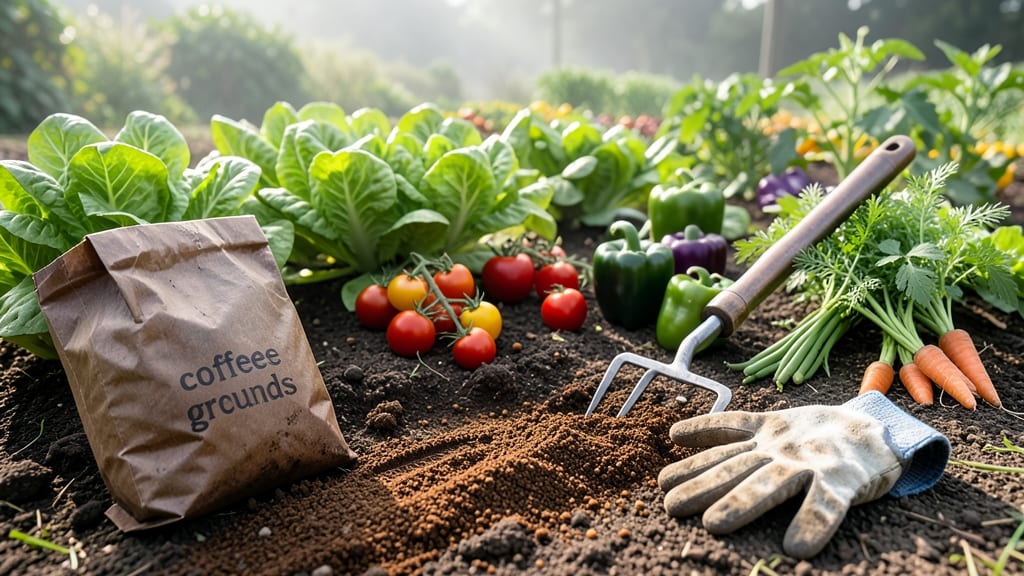
Using coffee grounds in the vegetable garden boosts soil fertility by providing nitrogen and organic material, helps repel pests like slugs and ants, and supports acid-loving plants—but should be used carefully to prevent soil over-acidification or mold growth.
Coffee grounds work as a natural fertilizer because they break down slowly, releasing nitrogen over time while improving soil structure. 🌱 This makes them especially beneficial for plants like tomatoes, blueberries, and rhododendrons that thrive in slightly acidic conditions.
I’ve found that mixing them into compost piles or sprinkling a thin layer around plants creates a slow-release nutrient boost without overwhelming the soil.
However, there’s a catch—too much can create a soggy, mold-prone environment or make soil too acidic for sensitive crops like onions or lettuce. The key is moderation: use them as a supplement, not a primary fertilizer, and always balance with other organic matter like compost or manure.
💡 In This Article
- How Coffee Grounds Improve Soil and Plant Health
- Best Practices for Applying Coffee Grounds to Vegetable Gardens
How coffee grounds improve soil and plant health
Coffee grounds act as a slow-release fertilizer because they're rich in nitrogen (about 2% by weight), which plants need for leafy growth. When mixed into soil, the grounds decompose through microbial activity, releasing nitrogen gradually over 2-3 months.
This process also stimulates beneficial soil bacteria and fungi, creating a more active ecosystem that breaks down organic matter faster. The texture of used grounds—finely ground and porous—helps improve soil aeration and water retention, similar to how compost works but with a faster initial impact.
The pH-lowering effect comes from the acidic compounds in coffee, which can adjust soil pH to around 6.2-6.5 (slightly acidic), ideal for plants like tomatoes, blueberries, and rhododendrons.
However, this benefit becomes a risk if overused—soil pH can drop below 5.5, harming plants sensitive to acidity like onions or lettuce. The key is balance: coffee grounds should make up no more than 20% of your compost mix or 1/4-inch layer when applied directly to soil.
Beyond nutrients, coffee grounds repel pests like slugs and ants due to their caffeine content. Caffeine disrupts the nervous systems of soft-bodied pests, creating a natural barrier when sprinkled around plant bases.
The grounds also deter mold in small amounts because their antimicrobial properties inhibit fungal spores—but too much creates a damp, anaerobic environment where mold thrives. This is why they work best as a supplement, not a primary soil amendment.
What most gardeners don't realize is how the breakdown process changes over time. Fresh grounds release nitrogen quickly, while aged grounds (6+ months old) provide more stable organic matter. This is why composting coffee grounds for at least 3 months before use prevents nutrient spikes that can burn plants.
The microbial activity during decomposition also produces humus-like compounds that improve soil structure long-term, making plants more resilient to drought and disease.
For example, blueberry bushes thrive with coffee grounds because they naturally prefer acidic soil (pH 4.5-5.5). Adding a 1-inch layer of used grounds around the base in spring boosts nitrogen without over-acidifying, while the caffeine deters voles that often target young plants.
The same logic applies to tomatoes, which benefit from the nitrogen but tolerate the slight acidity better than other vegetables.
To maximize benefits, pair coffee grounds with other organic materials. Mixing them with wood ash (which raises pH) or compost creates a balanced soil environment. The ash neutralizes excess acidity, while the compost provides additional microbes to break down the grounds efficiently.
This synergy turns coffee grounds from a simple waste product into a powerful soil enhancer—when used thoughtfully.