
Planting
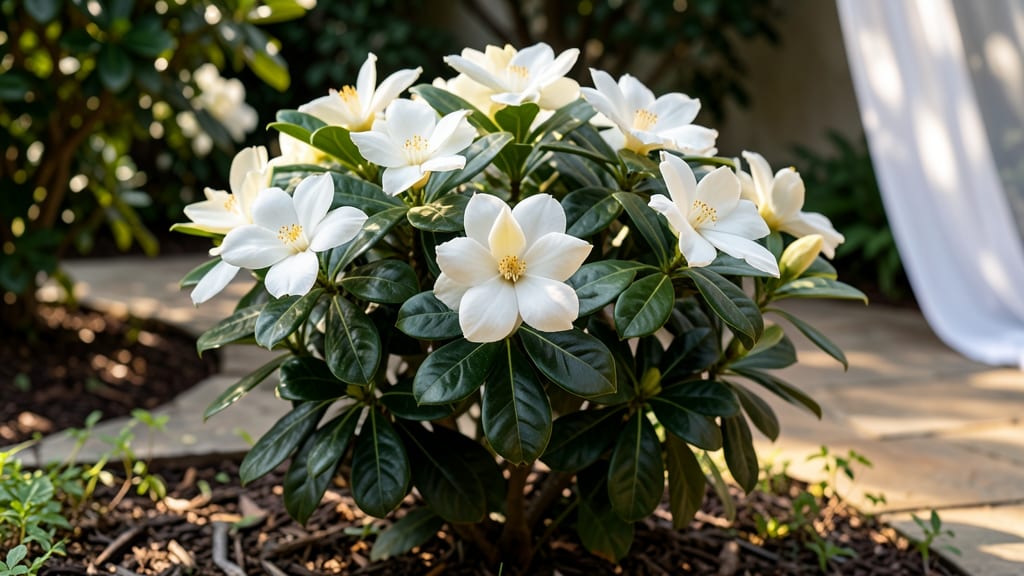
A gardenia plant size can range from a compact 2-foot dwarf to a towering 6-foot shrub, depending on the variety you choose.
If you’re dreaming of fragrant white blooms but wondering how much space your gardenia will need, you’re not alone. These beauties vary wildly—some fit snugly on a patio, while others demand a corner of your garden. The right choice depends on your space and care goals.
Standard gardenias typically reach 4-6 feet tall, but dwarf varieties stay under 3 feet, making them perfect for containers or small yards. Knowing your gardenia’s mature size helps with spacing, pruning, and even sunlight placement.
In this guide, I’ll break down size by variety, share pruning tips to control growth, and recommend the best types for small spaces or bold landscapes. Let’s get started!


Gardenia plant size by variety: from dwarf to giant shrubs
Choosing a gardenia variety isn’t just about fragrance—it’s about space planning. Some varieties stay compact enough for patio pots, while others become landscape anchors. Knowing the mature size helps you avoid crowding or wasted space.
For example, a 3-foot dwarf won’t overwhelm your balcony, but a 6-foot giant needs room to shine in your garden beds.
Gardenias grow at different rates based on variety, pruning, and care. Dwarf types like 'Radicans' mature in 2–3 years, while standard varieties like 'Kleim's Hardy' take 4–5 years to reach full height. Understanding these timelines helps you set realistic expectations for blooms and growth patterns.
Here’s how to visualize gardenia sizes: Imagine a standard kitchen counter (~3.5 feet)—dwarf varieties stay below this, while large shrubs tower above it. This comparison makes it easier to picture how each type will fit into your garden design or container setup.
| Variety | Mature Height (ft) | Mature Spread (ft) | Best For | Fragrance Level |
|---|---|---|---|---|
| 'Radicans' | 2–3 ft | 3–4 ft | Containers, patios | Strong |
| 'Veitchii' | 3–4 ft | 4–5 ft | Small gardens, hedges | Very strong |
| 'Kleim's Hardy' | 4–6 ft | 5–7 ft | Landscaping, borders | Moderate |
| 'Fortuniana' | 5–7 ft | 6–8 ft | Large gardens, specimen plant | Strong |
| 'Mystery' | 3–5 ft | 4–6 ft | Containers, small yards | Very strong |
Note: Spread can vary with pruning and soil conditions.
If you’re growing gardenias in containers, dwarf varieties like 'Radicans' or 'Mystery' are ideal—they thrive in 15–20 gallon pots and can be moved easily. Larger varieties need oversized containers (30+ gallons) to prevent root binding, which stunts growth and reduces blooms.
For landscape planting, space gardenias 3–5 feet apart depending on the variety. A 6-foot 'Fortuniana' needs plenty of room to avoid shading smaller plants, while 3-foot 'Veitchii' can be planted closer together for a hedgerow effect.
Pruning plays a huge role in managing size. Regular trimming after blooming encourages bushier growth in compact varieties, while heavier pruning can keep larger types like 'Kleim's Hardy' under control. Just avoid over-pruning, or you’ll sacrifice those highly fragrant blooms.
Climate also affects size—gardenias in warmer zones (8–10) grow faster and larger than those in cooler zones (6–7). If you’re in a colder region, choose hardy varieties like 'Kleim's Hardy' or 'Radicans', which tolerate USDA Zone 6 with proper winter care.
Pro tip: Use mulch to regulate soil temperature and moisture, which directly impacts growth rates. A 3-inch layer of pine bark mulch helps dwarf varieties stay compact while supporting larger shrubs’ root systems.
Whether you’re dreaming of a
How to control gardenia size: pruning, training & care tips
Gardenia plants naturally grow into lush, fragrant shrubs, but their size can vary dramatically based on variety and care. If your gardenia is outgrowing its space or staying too small, don’t worry—pruning and training can help you shape it perfectly.
Whether you're growing a dwarf gardenia in a pot or managing a sprawling shrub in your yard, these techniques will keep your plant healthy and blooming without sacrificing size control.
One of the easiest ways to manage gardenia size is through regular pruning. Pruning not only controls height and spread but also encourages denser foliage and more blooms. The best time to prune is right after the plant finishes flowering, typically in late spring or early summer.
This gives your gardenia time to recover and prepare for the next blooming season while maintaining its desired shape.
For container-grown gardenias, root restriction is a game-changer. By choosing a pot that’s only slightly larger than the root ball, you naturally limit the plant’s growth. This method works especially well for dwarf varieties like 'Radicans' or 'Kleim’s Hardy,' which stay compact with proper care.
Just ensure your container has drainage holes to prevent root rot, a common issue with gardenias.
💡 Pro Tip for Compact Growth
Use slow-release fertilizer in spring to encourage steady, controlled growth. Avoid heavy feeding in late summer, as this can spur late-season growth that won’t harden off before winter, leaving your gardenia vulnerable to frost damage.
If your gardenia is growing too tall or leggy, try training techniques like staking or wiring young branches. For example, gently tie new growth to a trellis or bamboo stake to guide it upward.
This method is especially useful for standard gardenia varieties like 'Veitchii,' which can reach 6 feet tall. Training also helps improve airflow, reducing the risk of fungal diseases like powdery mildew.
Seasonal care adjustments play a huge role in managing gardenia size. In winter months, reduce watering and fertilizing to encourage dormancy, which helps control excessive growth. Overwatering or fertilizing in late fall can lead to weak, floppy growth that struggles to survive winter.
Meanwhile, in spring and summer, focus on consistent watering and light feeding to support steady, healthy growth without sudden spikes.
For gardeners with limited space, consider topiary training to shape your gardenia into a neat hedge or small tree. Use sharp pruning shears to trim back new growth regularly, and shape the plant as it grows.
This technique works well for patio gardenias and keeps them at a manageable height while adding visual interest to your outdoor space.
Remember, gardenias respond well to consistent care, so stick to a routine. With the right pruning schedule, container choices, and seasonal adjustments, you can enjoy fragrant blooms year after year—no matter how much (or little) space you have to work with. Happy gardening! 🌿