
Tools
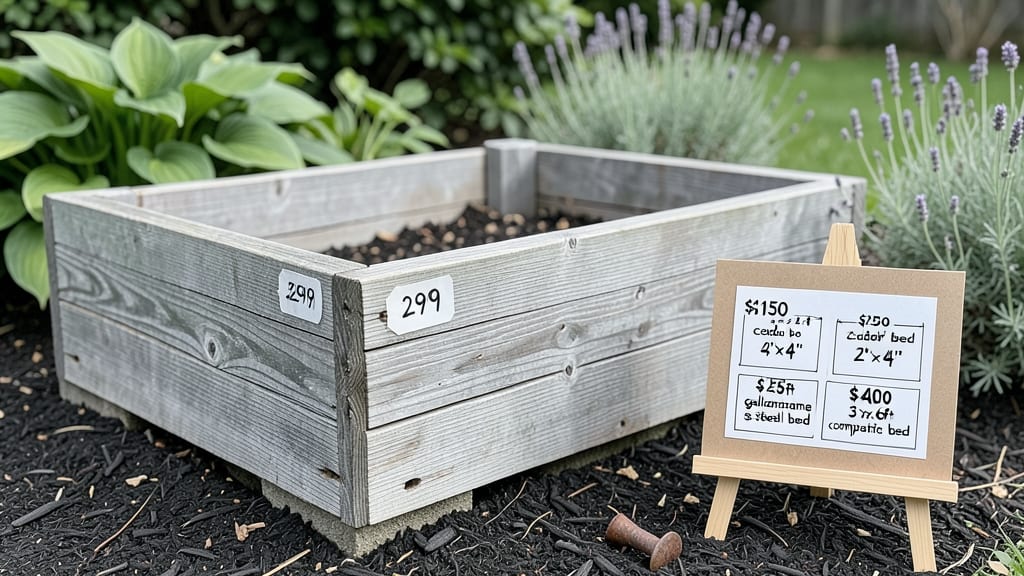
The price of raised garden beds varies widely from $50 to $1,500+, depending on materials (cedar starts at $100 for a 4x8 ft bed, composite lumber at $300+, stone or brick at $500+) and size (small 2x4 ft kits under $100, large 8x12 ft beds over $1,000). DIY kits can reduce costs by 30-50% compared to pre-built options.
The cost of raised garden beds depends heavily on what you build them from and how big they are. Cedar is popular because it resists rot, but it's pricier than basic lumber—especially if you want treated wood for extra longevity. Composite lumber might seem expensive upfront ($300+ for a 4x8 ft bed), but it lasts decades without needing replacements, making it a smart long-term investment.
For those on a budget, reclaimed wood or pressure-treated lumber can cut costs significantly while still delivering good durability.
Size matters too: a small 2x4 ft bed is perfect for herbs or salad greens, while a large 8x12 ft bed can handle full-sized vegetables but will cost over $1,000 for premium materials. 💰
If you're looking to save money, DIY kits are your best bet—they can slash costs by up to 50% compared to pre-built options. Many gardeners start with a simple 4x8 ft cedar kit ($100-$200) and upgrade materials later as their gardening skills grow.
Another pro tip: check local salvage yards for used bricks or pavers—they can create stunning, durable beds at a fraction of retail price. The key is balancing upfront costs with long-term value, especially if you plan to use the bed for years.
💡 In This Article
- How Material Type Affects Raised Bed Pricing
- Ways to Save on Raised Garden Bed Costs
How material type affects raised bed pricing
Material selection is the single biggest factor in raised bed pricing, with costs per square foot varying dramatically. Cedar is a top choice for its natural rot resistance, with a 4x8 ft bed starting around $100-$150 for untreated boards and $200-$300 for premium-grade cedar.
The reason? Cedar contains natural oils that repel insects and resist moisture better than pine, which can warp or rot within 3-5 years in humid climates. Redwood offers similar benefits but typically costs 10-20% more due to its rarity and slower growth cycle.
For long-term durability, composite lumber (made from recycled wood fibers and plastic) becomes a game-changer. A 4x8 ft composite bed ranges from $300-$500, but its lifespan of 25+ years with minimal maintenance makes it cost-effective over time. The tradeoff?
Composite materials lack the natural aesthetic of wood and can feel slightly cooler to the touch, which may affect root growth in colder climates. Stone and brick beds start at $500+ for a 4x8 ft structure, offering unmatched longevity (50+ years) but requiring professional installation for proper drainage and leveling.
Climate plays a critical role in material selection. In humid regions, untreated cedar or composite lumber is essential to prevent rot—whereas in dry climates, pressure-treated pine ($50-$80 for a 4x8 ft bed) may last 10-15 years with proper sealing.
The key is balancing upfront costs with long-term performance: cedar and redwood offer the best durability-to-cost ratio for most gardeners, while stone provides the ultimate investment for permanent landscapes.
Here’s a quick cost comparison for a 4x8 ft raised bed:
- Pressure-treated pine: $50-$80 (short-term, needs sealing)
- Cedar: $100-$200 (5-10 year lifespan)
- Redwood: $150-$250 (7-12 year lifespan)
- Composite lumber: $300-$500 (25+ year lifespan)
- Stone/brick: $500-$1,000+ (50+ year lifespan)
The material you choose directly impacts not just your wallet but also your gardening experience. For example, cedar’s natural aroma deters pests, while composite lumber’s smooth surface makes weeding easier. Stone beds, while expensive, stay cooler in summer and retain heat in winter—ideal for extending growing seasons in temperate zones.
If you’re in a high-rainfall area, investing in cedar or composite upfront saves money long-term by avoiding rot repairs. Meanwhile, in arid climates, pressure-treated pine might suffice for 3-5 years before needing replacement.
The right material depends on your budget, climate, and how long you plan to garden in the same spot. 🌱