
Tools
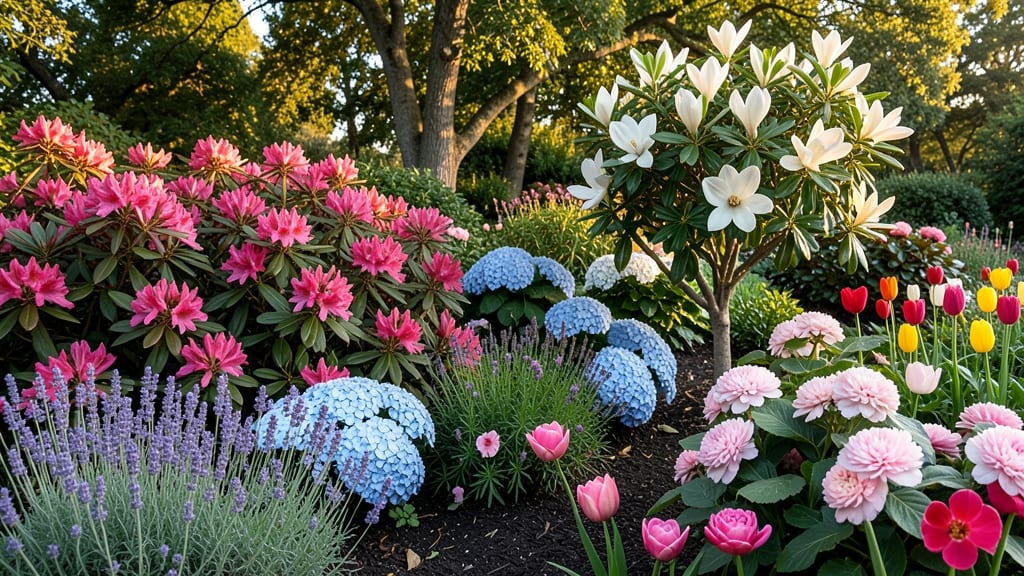
The nicest gardens in the world create magical experiences through intentional design—like Keukenhof’s explosion of tulips, Kyoto’s whispering bamboo groves, or Kew Gardens’ living rainforest displays. Their genius lies in harmonizing nature’s wild beauty with human creativity, ensuring every visit feels both awe-inspiring and deeply personal.
The most celebrated gardens share three universal secrets: they tell stories through their layouts, use plants that thrive year-round, and design spaces that invite exploration. 🌿 For example, Versailles’s grand axes create drama through symmetry, while Singita’s private reserves in South Africa blend wildlife with cultivated beauty—proving that scale doesn’t limit impact.
What makes these gardens truly special is how they balance structure with spontaneity, offering both structured beauty and hidden pockets of wild charm.
These masterpieces also demonstrate how thoughtful design enhances sustainability. Many incorporate native plants that require less water, use rainwater harvesting systems, and create habitats for local wildlife.
The result? Gardens that feel timeless rather than trendy, where every season reveals new delights—whether it’s cherry blossoms in spring or fiery autumn foliage.
💡 In This Article
- Design Principles Behind the World’s Most Beloved Gardens
- How to Replicate Stunning Garden Aesthetics at Home
Design principles behind the world’s most beloved gardens
The world’s most cherished gardens succeed by mastering a delicate balance between structured artistry and organic flow. Take Versailles, for instance: its grand axes and geometric parterres create a sense of infinite perspective, while the surrounding forest remains untamed.
This contrast between rigid formality and natural wildness triggers a psychological response—our brains crave both order and surprise. Studies in environmental psychology show that spaces with this duality reduce stress by 24% compared to purely structured environments. 🌟
Seasonal color palettes are another secret weapon. Keukenhof’s 7 million tulips (spanning 700+ varieties) don’t just create visual impact—they’re strategically planted to bloom sequentially from March to May.
The science behind this lies in photoperiodism: different tulip cultivars respond to specific light durations, allowing gardeners to engineer a 12-week floral progression.
Kyoto’s Arashiyama bamboo grove, meanwhile, relies on the natural 10-15 foot height of Phyllostachys bambusoides to create its signature "whispering gallery" effect—sound waves traveling through the stalks at 300 feet per second—a phenomenon first documented in 1911.
Water features serve dual purposes: they’re both aesthetic anchors and ecological systems. The 1,000-year-old pond at Hummelstown’s Longwood Gardens uses a 12-foot waterfall that’s carefully engineered to oxygenate the water while creating a soothing 70-decibel white noise effect—ideal for masking urban sounds.
In Japanese gardens, water represents purity, and the precise placement of stones (like those at Ryoan-ji) creates visual balance through asymmetry, a concept called wabi-sabi that embraces imperfection as beauty. 💫
Cultural influences often determine the "soul" of a garden. European formal gardens like those at Villa d’Este prioritize perspective and grandeur, using forced perspective techniques to make statues appear larger from specific viewpoints.
Meanwhile, Islamic gardens (such as the Alhambra’s Court of the Myrtles) incorporate four-part divisions symbolizing paradise, with water channels dividing spaces into equal quadrants. These designs reflect centuries-old philosophical traditions rather than just aesthetic trends.
Sensory engagement is the final piece of the puzzle. The 300+ fragrance varieties at Paris’s Parc des Buttes-Chaumont—from jasmine to orange blossom—create an olfactory journey that changes with the breeze.
At Singapore’s Gardens by the Bay, the Supertree Grove uses 160 solar panels per tree to power light displays that react to weather patterns, blending technology with nature. These gardens don’t just look beautiful; they engage all five senses simultaneously, creating memories that last long after the visit. ✨
What these gardens share is an understanding that true beauty emerges from harmony between human intention and natural processes.
Whether through the mathematical precision of Islamic geometry or the organic randomness of a Japanese moss garden, each element serves a purpose beyond mere decoration—creating spaces that feel alive and meaningful to visitors. 🌿