
Tools
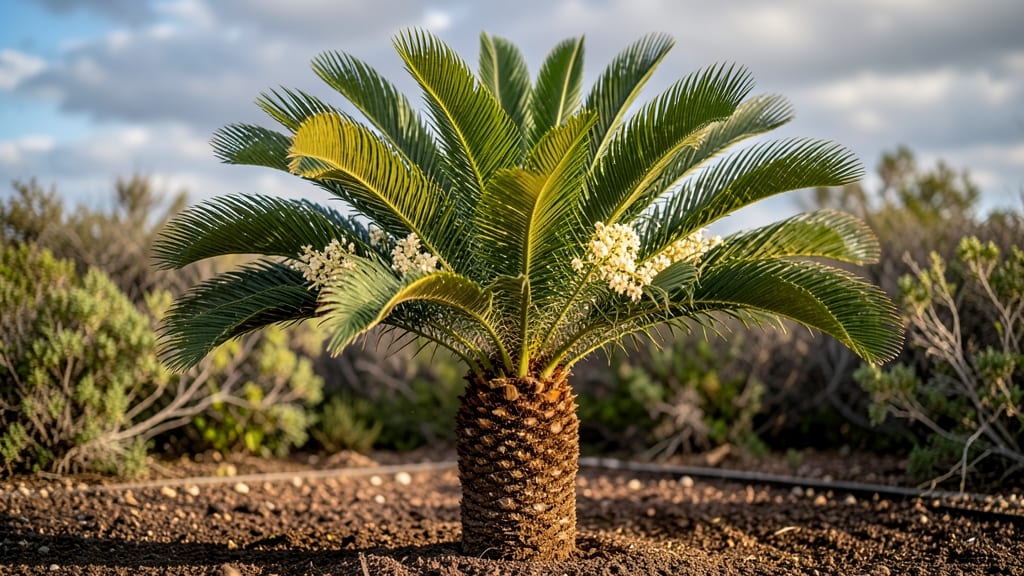
Canada’s most famous gardens feature Butchart Gardens in British Columbia, renowned for its breathtaking floral arrangements and historic elegance, alongside the Montreal Botanical Garden, famous for its extensive plant varieties and themed gardens. These iconic spots draw global visitors with their unmatched beauty and horticultural innovation.
Canada’s top gardens aren’t just pretty—they’re living works of art that blend science, history, and stunning visuals. 🌸 Butchart Gardens, for example, transforms from vibrant spring blooms to fiery autumn foliage, while Montreal’s botanical garden offers over 22,000 plant species across 70 acres.
What makes them special is how they adapt to Canada’s climate while showcasing rare botanicals from around the world. Many also double as conservation hubs, protecting endangered species while educating visitors about sustainable gardening.
Each garden tells a unique story: Butchart’s limestone cliffs and glasshouses create a fairy-tale atmosphere, while Montreal’s themed sections (like the Japanese garden or rose garden) transport you to different continents without leaving Canada.
Whether you’re a plant enthusiast or just love scenic escapes, these destinations prove why Canada’s gardens rank among the world’s most impressive. 🌿
💡 In This Article
- Why Canada’s Top Gardens Rank Among the World’s Best
- Planning Your Visit: Best Canadian Gardens by Season and Region
Why Canada’s top gardens rank among the world’s best
Canada’s most celebrated gardens stand out globally thanks to their combination of climate-adapted horticulture and historical significance. Unlike tropical gardens, these spaces thrive in Canada’s diverse climates—from Vancouver’s mild coastal weather to Montreal’s continental extremes—by using microclimates, greenhouse technology, and native plant selections.
For instance, Butchart Gardens in British Columbia uses geothermal heating in its glasshouses to extend growing seasons for exotic plants like orchids and ferns that wouldn’t survive outdoors. 🌿 This engineering feat allows them to display over 1,500 plant species year-round, a rarity for gardens in temperate zones.
The botanical diversity in these gardens is another key factor. Montreal Botanical Garden, for example, hosts 22,000 plant varieties across 70 acres, including rare specimens like the giant sequoia (which requires specialized soil and humidity control) and the Victoria water lily (the world’s largest flowering plant).
What sets them apart is their themed exhibits, such as the Japanese Garden with its meticulously raked gravel and koi ponds, or the Alpine Garden featuring plants from elevations above 10,000 feet. These curated sections offer visitors a sensory journey through ecosystems they might never experience otherwise.
Beyond aesthetics, these gardens play critical roles in conservation. Butchart Gardens, for example, operates a nursery program that propagates endangered species like the Western red cedar and Pacific dogwood, while Montreal’s garden collaborates with global institutions to preserve threatened orchids and medicinal plants.
Their research initiatives, such as studying how plants adapt to climate change, make them more than just tourist attractions—they’re living laboratories. This dual focus on beauty and science is what elevates Canada’s gardens to international acclaim.
Historical depth also sets them apart. Butchart Gardens, established in 1904, began as a limestone quarry before being transformed into a floral wonderland by Jennie Butchart, who used her husband’s quarry waste to create the iconic limestone cliffs and terraces.
Today, these original structures remain, offering a time capsule of early 20th-century horticulture. Similarly, Montreal’s botanical garden traces its roots to 1875, when it was founded as a public park before evolving into a world-class research facility.
These layers of history add a tangible connection to the natural world that’s hard to replicate.
Visitors often remark on the immersive experiences these gardens provide. At Butchart, the Night Garden transforms after dark with illuminated flowers and scented pathways, while Montreal’s Rose Garden features 350 varieties arranged in seasonal displays.
The attention to detail—like the scented roses carefully placed near seating areas or the soundscapes in the Japanese garden—creates a multi-sensory journey. These elements combine to make Canada’s gardens not just visually stunning, but emotionally resonant destinations. 🌸
Finally, their accessibility and education programs ensure these spaces serve broader communities. Both gardens offer free admission days, school programs, and therapeutic gardening initiatives for seniors and people with disabilities.
This commitment to inclusivity—paired with their scientific rigor and artistic beauty—is why they’re frequently ranked among the top 10 botanical gardens in the world.
Whether you’re drawn to their historical charm, botanical innovation, or conservation efforts, these gardens prove that Canada’s green spaces are far more than just pretty landscapes. They’re living testaments to human ingenuity and nature’s resilience.