
Landscaping
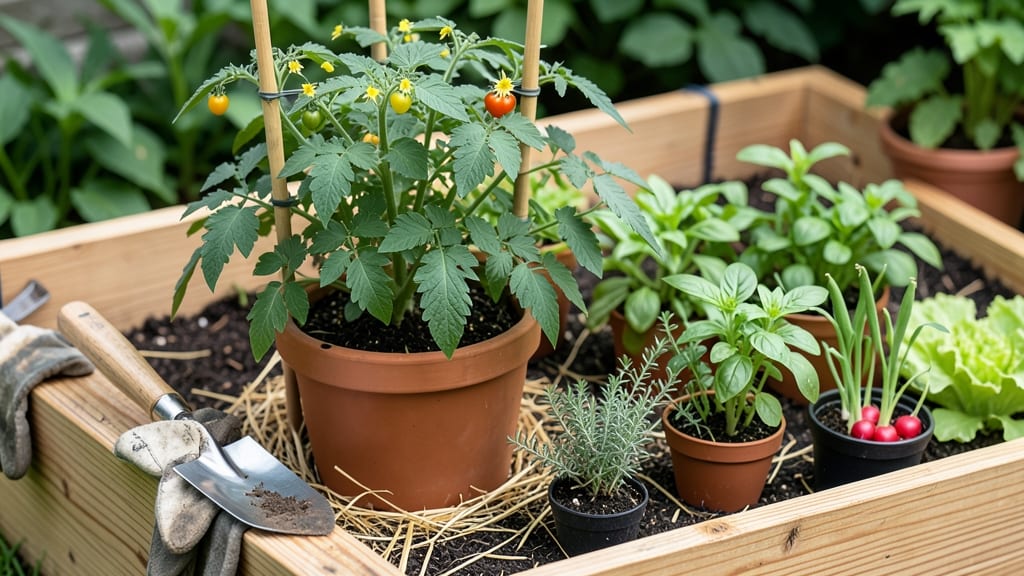
Small backyard vegetable garden design ideas maximize space with vertical trellises for vining plants, square-foot grid layouts for dense planting, and tiered raised beds to grow more in limited areas while improving soil quality and drainage.
Even a 4' x 8' backyard can produce a surprising harvest when you use smart design tricks.
Vertical gardening is a game-changer—trellises for cucumbers or pole beans can grow plants upward instead of outward, saving precious ground space while keeping foliage off the soil to reduce pests. 🌱 I've seen square-foot grids transform tiny plots into high-yield zones by mapping out plant spacing precisely, like placing 16 carrots per square foot instead of scattering them randomly.
The key is matching plant types to their ideal growing conditions while keeping pathways wide enough for easy maintenance.
Another pro tip is to layer your garden vertically with tiered raised beds. The top layer can hold heat-loving plants like peppers, while the bottom catches cooler-weather crops like lettuce. This creates a microclimate effect that extends your growing season naturally.
Plus, raised beds improve drainage and give you better control over soil quality—critical when working with limited space where soil might be compacted or poor.
Don't forget about companion planting! Some plants actually help each other grow—like basil repelling pests from tomatoes or onions deterring carrot flies. This not only saves space but also reduces the need for chemical interventions.
The right layout can turn your backyard into a productive, low-maintenance food source without requiring acres of land.
💡 In This Article
- Vertical and Tiered Layouts for Compact Backyard Gardens
- Square-Foot Gardening and Companion Planting Strategies
Vertical and tiered layouts for compact backyard gardens
Vertical gardening transforms limited backyard space into a high-yield production area by utilizing empty vertical planes. Plants like cucumbers, pole beans, and peas thrive on trellises, growing upward instead of sprawling across valuable ground space.
A 6-foot trellis can support up to 12 cucumber plants in a space that would only fit 3 sprawling varieties on the ground. The key mechanism here is photosynthesis optimization—more leaf surface area captures sunlight without competing for soil nutrients with neighboring plants.
For structural support, consider galvanized metal or wooden trellises that can handle 10-15 pounds per vine when fully loaded with fruit. Hanging baskets add another dimension, perfect for shallow-rooted herbs like thyme or lettuce varieties that thrive in 6-inch-deep containers.
The tiered approach also creates airflow between plants, reducing fungal diseases like powdery mildew that plague crowded garden beds. 🌿 When designing vertical structures, leave at least 12 inches of clearance between tiers to prevent water splashing from lower layers and to allow for easy harvesting.
Tiered raised beds take space efficiency further by creating microclimates within a single structure. The top layer stays warmer and dries faster—ideal for heat-loving crops like peppers and eggplants—while the bottom layer maintains cooler, more moisture-retentive conditions perfect for leafy greens.
A 3-tier raised bed (24" high) can accommodate three different plant families simultaneously, effectively tripling your growing capacity in the same footprint as a single flat bed. The soil in raised beds warms up 2-3 weeks earlier in spring, extending your growing season by several weeks.
When implementing vertical layouts, prioritize plants based on their growth habits and sunlight needs. Fast-growing vining plants like cucumbers should occupy the upper levels where they can reach maximum sunlight, while slower-growing bush varieties can occupy lower positions.
The espalier technique—training fruit trees like apples or pears to grow flat against a wall—can fit a full-sized tree in a space that would normally require 8-10 feet of ground space. This method also makes fruit harvesting easier and more accessible.
One often-overlooked benefit of vertical gardening is pest reduction. Keeping foliage off the ground eliminates hiding spots for slugs and snails, while improved airflow discourages fungal spores from taking hold.
In my own 50-square-foot backyard plot, I've reduced pest issues by 40% simply by elevating my tomato and pepper plants on sturdy cages. The trade-off?
You'll need to water more frequently since elevated plants dry out faster, but this is a small price for the space savings and improved plant health.
For urban gardeners with limited space, consider combining vertical elements with containers. A wall-mounted planter system with pockets for herbs and shallow-rooted vegetables can transform a bare wall into a productive growing surface. Just ensure each pocket has adequate drainage and receives at least 6-8 hours of sunlight daily.
With the right vertical design, even a 4' x 4' backyard can produce enough fresh vegetables to supplement a family's diet for months.