
Tools
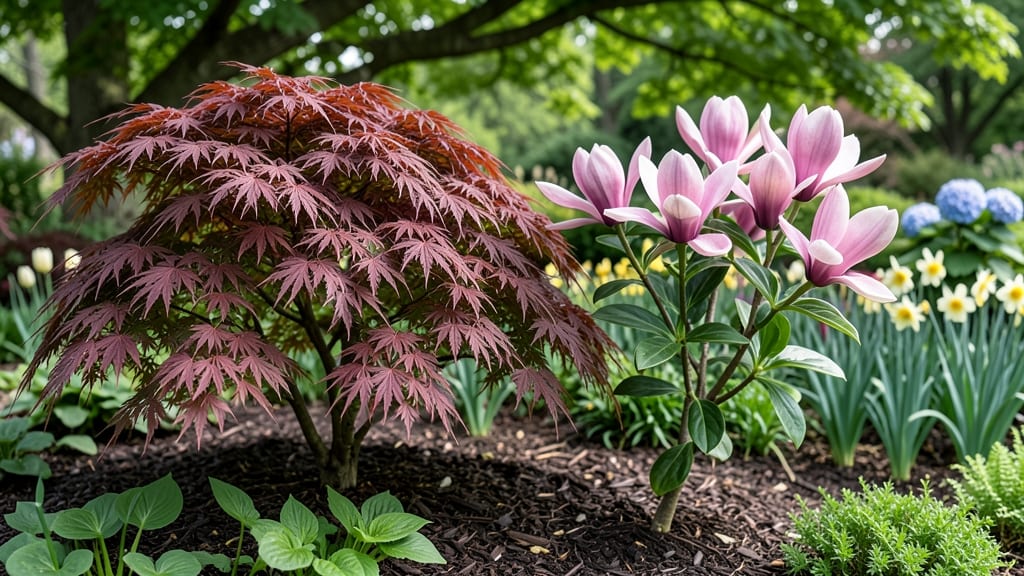
The Montreal Botanic Garden features over 22,000 plant species across themed gardens like the Japanese Garden, Chinese Scholar’s Garden, and First Nations Garden, with seasonal highlights such as spring tulips and fall chrysanthemums. Your admission also grants access to the Insectarium and Biodôme as part of the Espace pour la vie complex.
The Montreal Botanic Garden isn't just a collection of plants—it's a living museum where each garden tells a story. 🌿 The Japanese Garden embodies zen harmony with its meticulously placed rocks and koi ponds, while the Chinese Scholar’s Garden mimics classical Chinese landscapes with bridges and waterfalls.
What’s special about these spaces is how they blend cultural traditions with native Canadian flora, creating a unique botanical experience. Beyond the gardens, the Espace pour la vie complex adds layers of discovery, from the Insectarium’s fascinating creepy-crawlies to the Biodôme’s immersive ecosystems.
Visitors often ask about the best times to go—spring brings vibrant tulip displays, summer showcases the rose gardens in full bloom, and fall delivers stunning chrysanthemum arrangements. Pro tip: Weekday mornings are less crowded, and the garden’s accessible pathways make it welcoming for all.
Pair your visit with a meal at nearby Café Flora, where you can enjoy locally sourced dishes inspired by the garden’s seasonal bounty.
💡 In This Article
- Montreal Botanic Garden’s Themed Gardens and Their Unique Plant Collections
- Seasonal Must-See Events and Plant Blooms at the Montreal Botanic Garden
Montreal Botanic Garden’s themed gardens and their unique plant collections
The Japanese Garden at the Montreal Botanic Garden is a masterpiece of minimalist design, following the wabi-sabi philosophy that embraces imperfection and transience. Here, every element—from the carefully placed 17 boulders to the 3,000-square-foot koi pond—serves a purpose in creating harmony with nature.
The garden features rare species like the Japanese maple (Acer palmatum), whose delicate leaves turn fiery red in autumn, and hosta plants, prized for their lush foliage and shade tolerance. These plants aren’t just decorative; they’re chosen for their ecological roles, like supporting pollinators and improving soil health.
The Chinese Scholar’s Garden transports visitors to a classical Chinese landscape, complete with stone bridges, cascading waterfalls, and orchid collections that thrive in the garden’s humid microclimate. One standout feature is the 1,200-year-old ginkgo tree, a living fossil that survives harsh winters.
The garden’s aquatic plants, like the lotus (Nelumbo nucifera), play a crucial role in purifying water naturally, while the bamboo groves provide windbreaks and habitat for birds. The design principles here—like the use of borrowed scenery (shakkei)—create a sense of depth and connection to the surrounding cityscape.
The First Nations Garden is a living tribute to Indigenous plant knowledge, featuring over 100 species used traditionally by Canada’s First Peoples. You’ll find wild rice (Zizania aquatica), a staple food, and saskatoon berry (Amelanchier alnifolia), which thrives in the garden’s well-drained, sandy soil.
The garden also highlights medicinal plants like echinacea and goldenseal, demonstrating their ecological and cultural significance. Unlike the other gardens, this one focuses on functional biodiversity, showing how plants sustain both ecosystems and human communities.
Each garden employs unique irrigation techniques to preserve its delicate ecosystems. The Japanese Garden uses a subsurface drip system to minimize water waste, while the Chinese Scholar’s Garden relies on natural water features like ponds and streams to maintain humidity.
The First Nations Garden incorporates rainwater harvesting methods inspired by Indigenous practices. These systems aren’t just practical—they’re part of the garden’s educational mission, teaching visitors about sustainable horticulture.
What makes these gardens truly special is their seasonal transformation. In spring, the Japanese Garden bursts with cherry blossoms (Prunus serrulata), while the Chinese Scholar’s Garden’s magnolias release their intoxicating fragrance.
Summer brings the First Nations Garden’s sunflowers (Helianthus annuus), and autumn delivers fiery foliage across all three spaces. Even in winter, the gardens offer quiet beauty, with evergreen conifers providing structure against the snow.
Beyond their visual appeal, these gardens serve as living laboratories. Researchers study how these plants adapt to Montreal’s climate, while educators use them to teach about cultural botany, ecology, and conservation. For example, the garden’s orchid conservatory houses rare species like the Cattleya labiata, helping preserve biodiversity.
Visiting these spaces isn’t just a walk through nature—it’s an immersion in the stories, science, and sustainability behind each plant.