
Vegetables
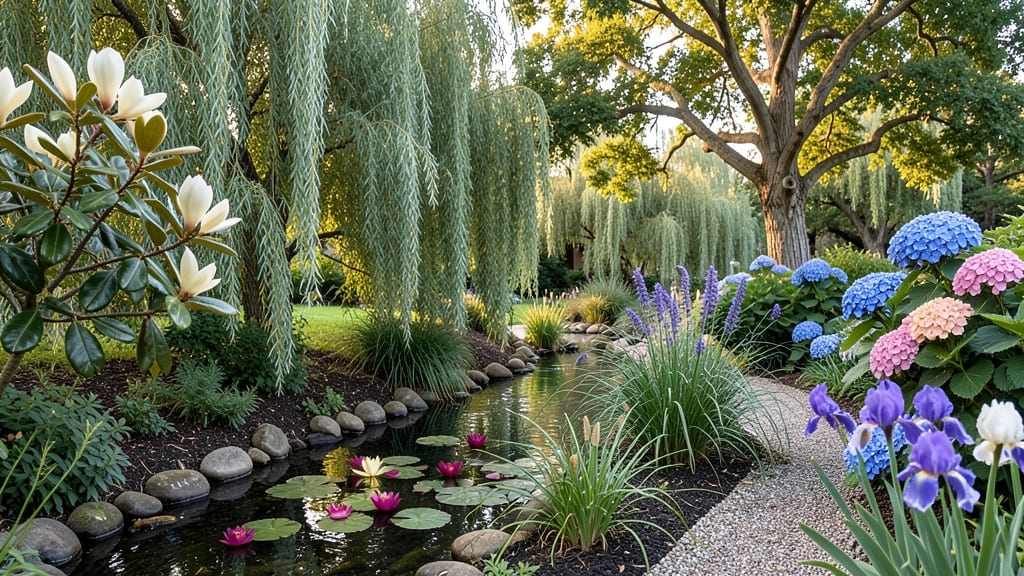
Riverside Botanic Gardens offers vibrant seasonal displays, peaceful walking paths, and curated native plant collections that attract nature enthusiasts and photographers year-round. Timing your visit to match peak bloom seasons maximizes your experience.
This 12-acre oasis transforms with each season, showcasing everything from delicate spring wildflowers to fiery autumn foliage. 🌸 The gardens' carefully designed trails weave through themed sections like the Redwood Grove and Japanese Garden, offering both tranquility and visual inspiration.
What sets Riverside apart is its commitment to conservation—many native plantings support local pollinators while requiring minimal irrigation, making it a sustainable destination.
For visitors planning ahead, note that spring (March-May) brings the most dramatic wildflower displays, while summer (June-August) features lush roses and orchids. The autumn foliage (September-November) creates golden pathways perfect for photography, and even winter offers evergreen structure with holiday lighting displays.
Pro tip: Weekday mornings provide the quietest experience, while guided tours (available seasonally) reveal hidden details about the garden's history and horticultural techniques.
💡 In This Article
- Best Times to Visit Riverside Botanic Gardens for Peak Seasonal Blooms
- Hidden Trails and Must-See Plant Collections at Riverside Botanic Gardens
Best times to visit Riverside botanic gardens for peak seasonal blooms
The gardens' seasonal transformations are driven by precise planting schedules tied to California's Mediterranean climate. Spring (March-May) delivers the most dramatic displays with 15+ native wildflower species, including California poppies and lupines, which thrive in the 55-65°F daytime temperatures and occasional spring rains.
The garden's irrigation system uses 30% less water than traditional gardens by employing drought-tolerant species and drip irrigation technology that delivers water directly to roots.
Summer (June-August) shifts focus to the 1,200 rose bushes in the formal rose garden, which peak in July when temperatures average 78-85°F. The garden's microclimate management—strategic planting of shade trees and windbreaks—helps maintain 5°F cooler temperatures in key areas.
Autumn (September-November) transforms the landscape with maple, oak, and liquidambar trees whose leaves change from green to fiery reds and oranges, creating a 360-degree color palette that photographers love.
Winter (December-February) offers a different kind of magic with evergreen collections like the 100-year-old Monterey cypress and holiday lighting displays that use LED technology consuming 90% less energy than traditional bulbs.
The garden's conservation efforts extend to winter maintenance—mulching techniques preserve soil moisture while protecting plant roots during occasional 40°F nights. Visitors often overlook how these seasonal shifts align with the garden's 10-year master plan, which rotates plantings to maintain biodiversity.
What most people don't realize is how the garden's elevation changes create microclimates—lower areas stay 5°F warmer than higher sections, affecting bloom times. The Redwood Grove at 1,200 feet elevation, for example, maintains cooler temperatures year-round, perfect for ferns and mosses that thrive in 60-70% humidity.
This natural climate control means you can experience four distinct garden experiences in a single visit, each with its own sensory profile from fragrant spring blooms to crisp autumn leaves.
For optimal photography, early mornings during peak bloom seasons provide soft diffused light that enhances colors. The garden's native plant collections—like the California native meadow—offer 20+ species in full bloom simultaneously, creating a living tapestry that changes weekly.
Pro tip: Download the garden's seasonal bloom calendar before visiting to align your trip with specific plant highlights, like the orchid display in late June or holiday cactus blooms in December.
Consider these seasonal highlights when planning:
- Spring (March-May): Wildflower meadows with 50,000+ blooms and butterfly migration through pollinator pathways
- Summer (June-August): Rose garden peak with 20+ varieties and evening concert series under the trees
- Autumn (September-November): Foliage tunnel with 10+ tree species and photography workshops
- Winter (December-February): Holiday light trails and winter plant sales featuring rare succulents
The garden's 25-year climate data shows that bloom times have shifted 2-3 weeks earlier over the past decade due to warming trends—a reminder of how even botanical gardens adapt to changing conditions. 🌿