
Advice
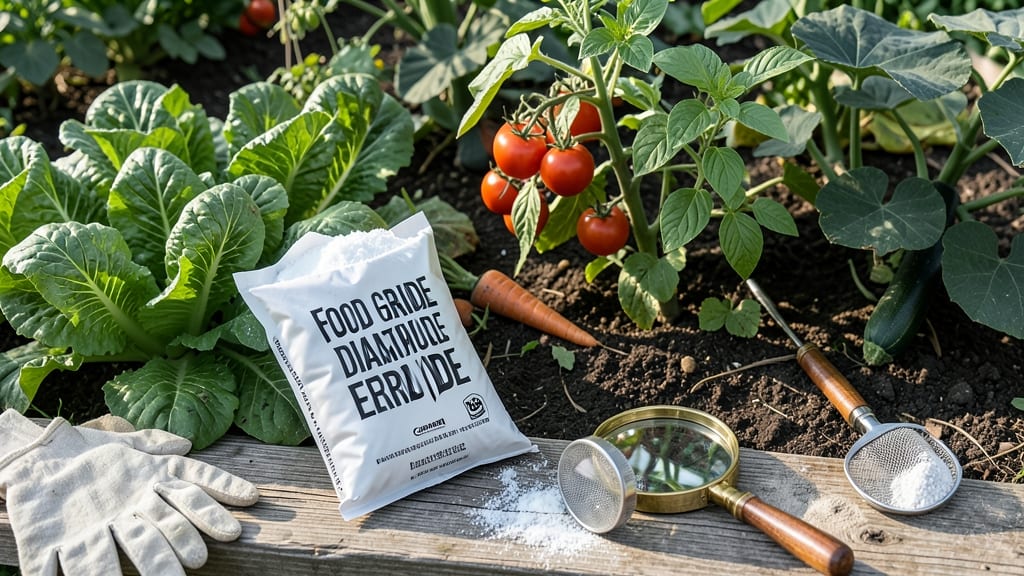
Diatomaceous earth is safe for vegetable gardens when used correctly as an organic pest control method, but it must be food-grade and applied carefully to avoid harming plants or soil microbes. Follow dosage guidelines and avoid overuse to prevent plant stress or nutrient depletion.
Diatomaceous earth works by dehydrating soft-bodied pests like aphids and slugs through microscopic silica particles, making it a popular organic solution. 🌱 However, its safety depends on using food-grade versions only—non-food-grade types contain harmful additives.
The key is precision: applying 1-2 tablespoons per 10 sq ft in early morning or evening avoids harming beneficial insects like bees, while sensitive plants such as brassicas may show stress with improper use.
Many gardeners swear by it for controlling pests without chemicals, but it's crucial to monitor soil health over time. 💫 Unlike synthetic pesticides, diatomaceous earth breaks down naturally, leaving no residue, but overapplication can disrupt soil microbes.
Always test a small area first and reapply every 7-10 days for best results.
💡 In This Article
- How Diatomaceous Earth Works Against Garden Pests
- Safe Application Tips for Vegetable Garden Use
How diatomaceous earth works against garden pests
Diatomaceous earth (DE) functions as a physical pest control method through its microscopic structure. When applied as a fine powder, the sharp edges of these silica particles—ranging from 3 to 30 microns—create tiny wounds in the exoskeletons of soft-bodied pests like aphids, slugs, and spider mites.
This disrupts their protective outer layer, causing rapid dehydration and death within hours. The process is purely mechanical, not chemical, which is why food-grade DE is safe for edible gardens when used properly. 🔥
The silica in DE is naturally occurring and breaks down in soil over time through weathering and microbial activity, typically within 3 to 6 months, depending on environmental conditions. Unlike chemical pesticides, it doesn't leave toxic residues or accumulate in the soil.
For example, studies show that food-grade DE dissolves completely in water within 24 hours, making it harmless to plants once absorbed. However, the key lies in its particle size—only the finest grades (like pool-grade DE) are effective against pests without harming plants.
What makes DE unique is its selectivity: it targets pests with soft, permeable bodies while sparing beneficial insects like bees and ladybugs, which have harder exoskeletons. Earthworms are also unaffected because they lack the exposed surface area that pests have.
The powder works best when dry, as moisture clumps the particles together, reducing their effectiveness. This is why gardeners often apply it after watering or in dry conditions. 💫
DE’s safety for humans and pets stems from its inert nature—it’s essentially fossilized algae with no chemical additives. When inhaled in large quantities, it can irritate lungs, but standard garden applications pose no risk.
The U.S. EPA classifies food-grade DE as a "Generally Recognized As Safe" (GRAS) substance, reinforcing its suitability for organic gardening. The magic lies in its dual action: it kills pests on contact while remaining harmless to the environment when used responsibly.
One common misconception is that DE kills all insects indiscriminately. In reality, it’s ineffective against hard-bodied pests like beetles or ants, which is why it’s often paired with other organic methods. For instance, combining DE with neem oil can create a broader-spectrum defense.
The powder also loses potency when exposed to rain, so reapplication every 7 to 10 days is typical in active pest seasons. 🌱