
Tools
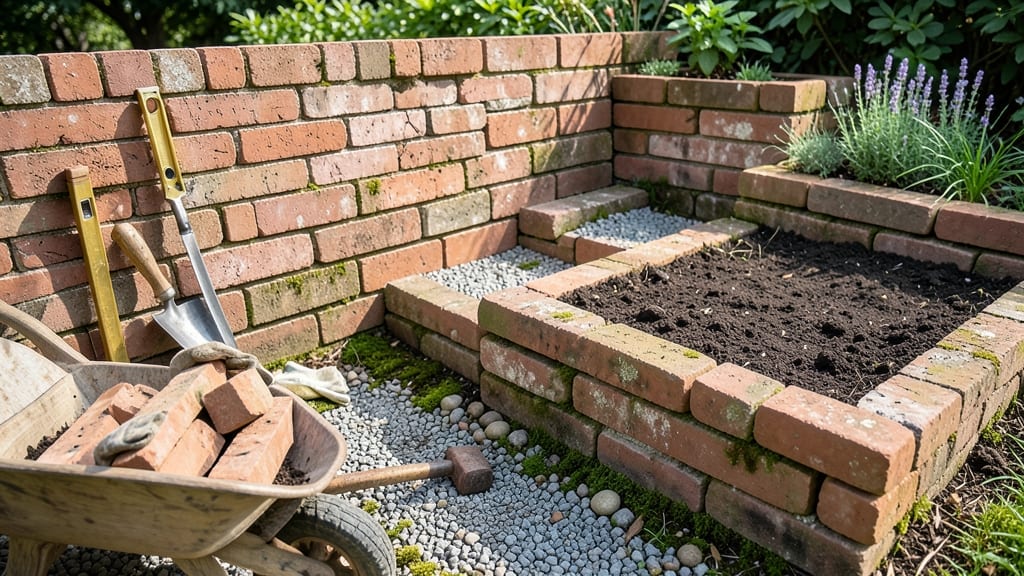
Repurposing old bricks in the garden transforms them into rustic pathways, raised garden borders, or decorative planters that enhance both aesthetics and functionality while promoting sustainability.
Old bricks bring more than just visual appeal—they create durable, low-maintenance solutions for garden challenges.
Their weight stabilizes soil, preventing erosion in slopes or along walkways, while the gaps between bricks improve drainage for root health. 🔥 I've noticed that brick borders also help regulate soil temperature, creating cozy microclimates for heat-loving plants like tomatoes or peppers.
Plus, their natural texture adds character that artificial materials can't match, making them perfect for both practical and decorative projects.
For those who want to go beyond basics, bricks can become vertical gardens, trellises for climbing plants, or even stepping stones with a little creativity. The key is matching brick size to your project—smaller bricks work well for intricate patterns, while larger ones provide sturdy foundations.
Always check for cracks before repurposing, as they can weaken structural projects over time.
💡 In This Article
- How Old Bricks Improve Garden Structure and Drainage
- Creative Brick Garden Projects for Every Skill Level
How old bricks improve garden structure and drainage
Old bricks act like nature's foundation anchors due to their substantial weight—each standard brick weighs about 4-5 pounds—which helps stabilize soil in garden beds. This weight prevents erosion along slopes or walkways by holding soil in place, especially during heavy rains.
The dense clay composition of bricks also resists shifting over time, unlike lighter materials like wood or plastic that may degrade or warp.
The natural gaps between bricks create a drainage network that mimics the aeration benefits of gravel. Water flows through these spaces instead of pooling around plant roots, reducing the risk of rot in moisture-sensitive plants like lavender or rosemary.
Studies show that proper drainage can improve root oxygenation by up to 30%, leading to healthier plants. 💫 For example, a brick-lined border around a raised bed allows excess water to escape while maintaining soil moisture at optimal levels.
Bricks also regulate soil temperature through their thermal mass—a property that absorbs and slowly releases heat. During the day, bricks warm up and radiate heat into the soil, creating a 5-10°F warmer microclimate perfect for heat-loving vegetables.
At night, they release stored warmth, preventing sudden temperature drops that stress plants. This effect is particularly valuable in cooler climates where gardeners need to extend growing seasons.
The porous nature of bricks further enhances their functionality. Unlike sealed materials, bricks allow limited water absorption, which helps maintain consistent soil moisture without the risk of waterlogging. This characteristic makes them ideal for areas with clay-heavy soil, where water tends to accumulate.
The texture also provides grip for barefoot gardeners, reducing slip hazards in wet conditions.
For structural projects like pathways or retaining walls, bricks distribute weight evenly across the garden bed. Their uniform shape creates stable platforms that won't sink or shift under foot traffic, unlike loose gravel or mulch.
The key is proper installation: laying bricks on a 2-3 inch sand base ensures long-term stability while allowing for minor ground movement.
Consider these material properties when selecting bricks for your garden:
- Durability: Firebricks last decades outdoors, while softer clay bricks may degrade faster in freeze-thaw cycles
- Size: Standard bricks (8x4x2.5 inches) work for borders, while smaller pavers create intricate patterns
- Color: Red bricks warm up faster than gray, affecting microclimate temperatures