
Vegetables
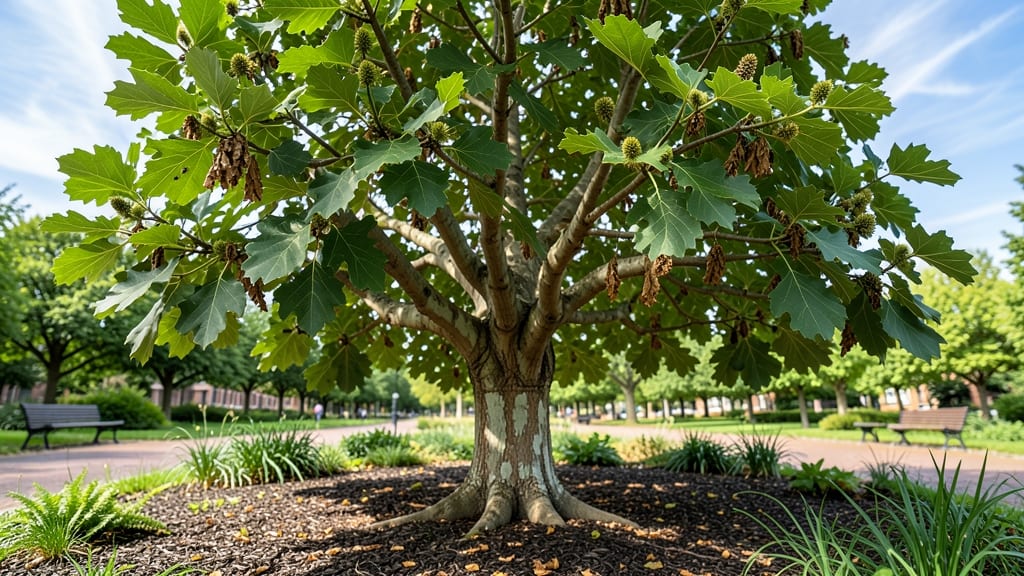
London's gardens in England showcase unmatched botanical beauty, from the Royal Botanic Gardens Kew’s sprawling 300-acre collections to the romantic rose gardens of Kensington and the wild, open meadows of Hampstead Heath—each offering seasonal wonders and historic charm.
London's green spaces are more than just pretty landscapes—they're living museums where history and nature intertwine. 🌿 The Royal Botanic Gardens Kew, for example, houses over 30,000 plant species and hosts scientific research alongside its public displays.
Meanwhile, smaller gardens like the Italianate Chelsea Physic Garden provide tranquil escapes with medicinal herb collections dating back to 1673. What makes these spaces truly special is how they adapt to London's unpredictable climate, offering vibrant displays year-round from snowdrops in winter to hydrangeas in summer.
Beyond the famous names, London hides countless lesser-known gems like the whimsical God's Own Junkyard with its colorful sculptures or the peaceful Eltham Palace gardens blending medieval ruins with modern design. These hidden spots often deliver the most authentic local experiences, especially when paired with nearby cultural attractions.
The key to visiting is timing—spring brings cherry blossoms, while autumn transforms many gardens into fiery foliage displays, creating ever-changing reasons to return.
💡 In This Article
- London’s Most Storied Gardens: History and Botanical Highlights
- Hidden London Gardens: Lesser-Known Green Gems and Visitor Tips
London’s most storied gardens: history and botanical highlights
The Royal Botanic Gardens Kew stands as London’s botanical crown jewel, spanning 300 acres with origins tracing back to 1759 when it served as a private botanical collection for the Duke of Portland.
Its Temperate House, the world’s largest glasshouse, shelters 10,000 plant species from 95 families, including rare ferns and orchids.
What makes Kew truly extraordinary is its role in scientific plant expeditions—during the 19th century, explorers like Joseph Banks collected specimens from five continents, shaping global horticulture. 🌿 The 1841 Kew Palace within the gardens showcases 18th-century royal botanical art, while the Treetop Walkway offers panoramic views of the 12,000 trees on site.
Kensington Gardens’ 184-acre expanse blends royal history with natural beauty, featuring the Peter Pan statue (a 1912 addition) and the Serpentine Lake, a 100-acre water body that attracts 40 species of birds.
The gardens’ Italian Garden, designed in 1734, showcases 18th-century landscaping techniques—terracing, statues, and symmetrical pathways—while the Sunken Garden>, planted in 1921, commemorates World War I> victims with 1,200 roses.
London’s mild maritime climate> (with average annual rainfall of 23 inches) allows these gardens to flourish year-round, with spring bulbs> (like daffodils>) blooming as early as February>, followed by summer hydrangeas> and autumn crocuses>.
Hampton Court Palace’s gardens offer a Tudor-era time capsule>, where Henry VIII>’s 1530s knot gardens> (with 1,200 yards of hedges>) contrast with Capability Brown>’s 18th-century landscape design>.
The Great Vine>, planted in 1536>, stretches 100 feet> across the palace façade, while the Maze> (with 1,000 yew hedges>) confuses visitors with its 3.5-mile walking path>.
These gardens thrive due to London’s moderate temperatures>—rarely dropping below 32°F> in winter—allowing exotic species> like magnolias> and camellias> to flourish alongside native oaks> and beeches>.
Chelsea Physic Garden, founded in 1673>, is London’s oldest botanical garden, originally used for medicinal plant research>. Its walled 1-acre> space contains 5,000 plant species>, including rare herbs> like foxglove> and monkshood>, once critical for 19th-century medicine>.
The garden’s annual Chelsea Flower Show>, launched in 1862>, has shaped global horticulture trends for 160 years>.
Here, London’s urban microclimate>—warmer than rural areas by 2-3°C>—extends the growing season, allowing tender plants> like citrus trees> to thrive outdoors in winter. 🌸
Hampstead Heath’s 800-acre> wild landscape offers a stark contrast to manicured gardens, with heathland, ponds, and woodlands> supporting 1,200 plant species>, including rare orchids> and bluebells>.
The Parliament Hill> viewpoint provides 360° views> of London’s skyline, while the Kenwood House gardens> feature 18th-century landscape designs> with ancient oaks> dating back 500 years>.
This diversity stems from London’s geological variety>—the clay soils> of Hampstead support moisture-loving plants, while sandy areas> near the Thames foster drought-resistant species. The heath’s wildflower meadows> bloom from May to September>, attracting 200 butterfly species>.