
Tools
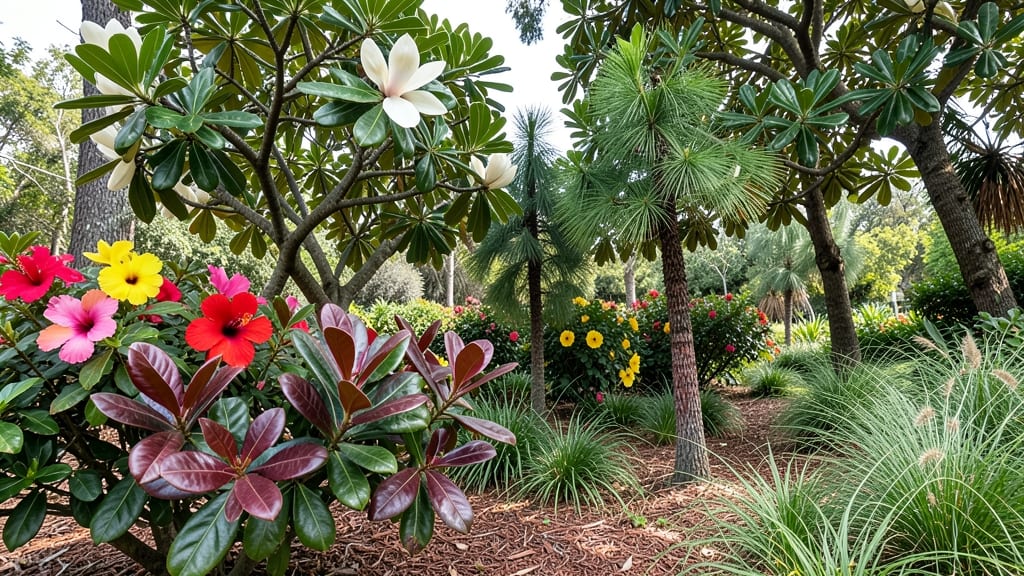
The largest botanical garden in the US by acreage is the Fairchild Tropical Botanic Garden in Miami, covering 83 acres with its vast tropical plant collections, while the United States Botanic Garden in Washington, D.C. spans 2.5 acres across multiple locations but stands out for its historic and temperate plant biodiversity.
The size difference between these gardens reflects their distinct missions. 🌿 Fairchild's sprawling 83-acre tropical paradise showcases rare orchids, palms, and endangered species from around the world, making it a global conservation leader.
Meanwhile, the D.C. garden's smaller footprint packs a punch with its historic collections and research-focused approach, including plants used in traditional medicine. Both gardens offer unique educational programs—Fairchild through its living plant collections, while the U.S. Botanic Garden provides free public exhibits and conservation research opportunities.
What makes these gardens truly remarkable is their role in preserving biodiversity. Fairchild's tropical collections help protect endangered species, while the U.S. Botanic Garden's research supports sustainable agriculture and urban greening initiatives.
Whether you're a plant enthusiast or just looking for a stunning outdoor experience, both gardens offer something special—just with very different flavors of botanical wonder.
💡 In This Article
- How US Botanical Gardens Compare by Size and Plant Diversity
- Visiting the Largest Botanical Gardens: Tips for Gardeners and Travelers
How US botanical gardens compare by size and plant diversity
The size disparity between America's top botanical gardens reveals their distinct ecological focuses. Fairchild Tropical Botanic Garden's 83-acre expanse in Miami creates an immersive tropical rainforest environment, housing 3,000+ plant species from 60+ countries.
This includes 250+ orchid species and 150+ palm varieties, many of which are endangered in their native habitats. The garden's climate-controlled greenhouses maintain 12 distinct microclimates, allowing rare species from the Amazon and Southeast Asia to thrive.
In contrast, the United States Botanic Garden's 2.5-acre footprint in Washington, D.C. focuses on temperate and historic plant collections. While smaller in acreage, it contains 1,500+ plant species and represents 12 climate zones through its indoor conservatories.
The garden's famous night-blooming cereus and giant water lilies demonstrate how intensive curation can maximize biodiversity in limited space. This approach aligns with its conservation mission, particularly preserving plants used in traditional medicine.
The Missouri Botanical Garden in St. Louis bridges these extremes with 79 acres and 8,000+ plant species, including 6,000+ accessions of rare and endangered plants. Its 14-acre Japanese Garden and 8-acre Chinese Garden showcase how large gardens can integrate cultural landscapes while maintaining scientific research.
What sets Missouri apart is its global seed bank, containing 24,000+ seed samples from around the world.
Climate plays a crucial role in these differences. Fairchild's subtropical location enables year-round tropical plant growth, while D.C.'s temperate climate requires indoor conservatories for tropical species. Missouri's continental climate allows for both temperate and some tropical collections, creating a unique hybrid model.
The science behind these collections involves phytogeography—the study of plant distributions—and ex situ conservation, where gardens serve as living archives for endangered species.
Visitors to these gardens experience different sensory landscapes. Fairchild's air is thick with the scent of frangipani and hibiscus, while D.C.'s garden offers the crisp aroma of pine forests in its conifer collection.
Missouri's gardens provide a more varied sensory journey, from the earthy smell of bonsai gardens to the sweet fragrance of magnolias. These differences reflect each garden's conservation priorities and educational missions.
What most people don't realize is how these gardens collaborate on conservation. Fairchild leads in tropical species recovery, while D.C.'s garden focuses on urban plant resilience. Missouri serves as a bridge between these specialties through its global seed bank.
Together, they represent over 12,500 plant species across the U.S., making them collectively one of the most important botanical networks in the world. 🌿