
Blooming
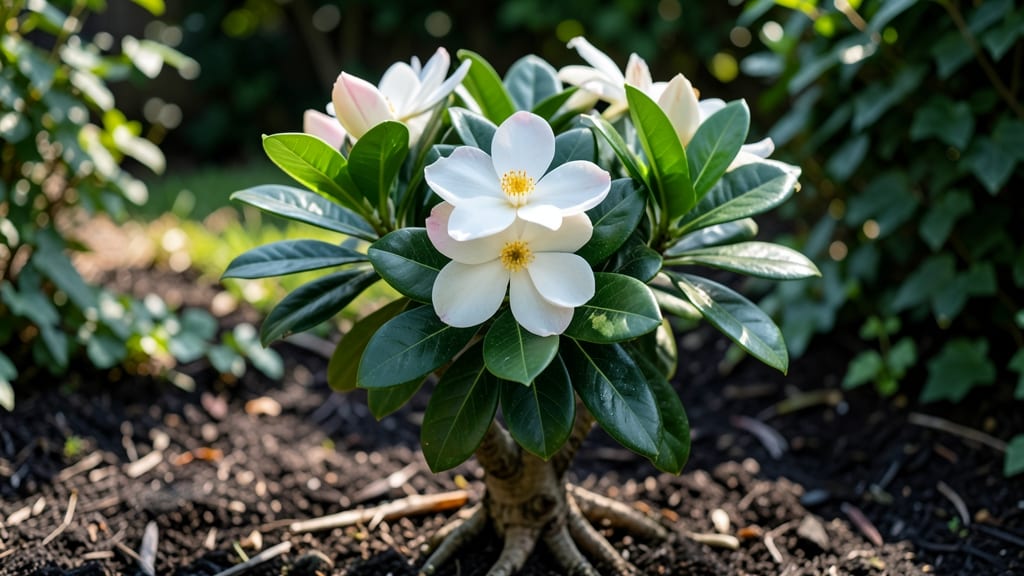
Gardenias flower between late spring and summer 🌸, but the exact timing depends on your USDA zone, variety, and a few key care habits.
If you’ve ever waited eagerly for your gardenia bushes to bloom—only to be met with silence—you’re not alone.
These fragrant stars of the garden follow precise timing based on your climate zone and variety, and knowing exactly when to expect their showstopping white blossoms can mean the difference between anticipation and disappointment.
In most regions, gardenias start forming buds in April or May, with peak blooming stretching from June through September. But whether you’re in Zone 6a or a warmer climate, small adjustments to pruning, fertilizing, and sunlight can shift that window by weeks.
Below, I’ll break down the exact months for your zone, the top varieties and their bloom windows, and the simple tricks to coax earlier—or longer—flowering seasons from your gardenias.
Gardenias flowering timeline by USDA hardiness Zones
Gardenias are famous for their intoxicating fragrance and glossy foliage, but their bloom timing varies dramatically depending on your USDA hardiness zone.
In colder zones like Zone 7, you’ll see flowers arrive later in the season, while warmer climates in Zones 10-11 may enjoy year-round blooms with proper care. Understanding these patterns helps you plan for the best flowering display and adjust care routines accordingly.
Temperature plays a critical role in triggering gardenia blooms. Most varieties need consistent warmth above 60°F and humidity levels above 50% to set buds. In regions like Florida (Zone 9-11), gardenias often bloom year-round, while in California (Zone 9-10), they peak in late spring to early summer.
Let’s break down the exact bloom windows for each zone to help you anticipate your gardenia’s performance.
🌸 Key Takeaway: Gardenias in Zones 7-8 typically bloom from late May to July, while those in Zones 9-11 may flower from March through October, depending on variety and microclimate.
In Zone 7, gardenias often wait until late spring to bloom because they need to escape winter dormancy. I’ve seen ‘Kleim’s Hardy’ varieties in my Virginia garden push buds in late May, but only after consistent 65°F nights.
Prune spent blooms in early summer to encourage a second flush, though it’s less reliable in colder microclimates.
Moving to Zone 9, like in Southern California, gardenias like ‘Radicans’ start blooming as early as March. The key here is humidity management—low humidity can cause buds to drop.
I’ve had success using a pebble tray under pots or installing a small fountain nearby to boost moisture levels during dry spells.
For gardeners in Zones 10-11, like those in Florida or Hawaii, gardenias can flower year-round if given the right conditions. In my Miami garden, ‘Fortuniana’ varieties bloom in winter and fall, with a peak in spring.
The trick is to fertilize lightly every 6 weeks and avoid overwatering, which can lead to root rot in the humid climate.
Regional variations also matter. For example, gardenias in coastal California (Zone 9) may bloom later than those in inland areas due to cooler ocean breezes. Conversely, Florida’s heat can push blooms earlier in the year.
Pay attention to your local microclimate—a north-facing wall or shaded patio can delay or advance blooming by 2-4 weeks.
If your gardenias aren’t following the expected timeline, check these three common culprits:
- Insufficient sunlight (they need 4-6 hours of indirect light)
- Poor drainage (roots rot in soggy soil)
- Lack of acidic fertilizer (pH should be 5.0-6.5)
Adjusting these factors can shift bloom times by 3-6 weeks.
Pro tip: Use a gardening journal to track bloom dates for 2-3 years. This helps you predict when to expect flowers and adjust care routines. For example, if your Zone 8 gardenia blooms in early June, plan to prune after July to avoid cutting off next year’s buds.
With the right zone-specific care, your gardenias will reward you with fragrant
Top 5 gardenia varieties and their exact bloom windows
Not all gardenias bloom at the same time—some varieties burst into flower in late spring, while others wait until summer’s peak heat. The key to timing lies in choosing the right variety for your USDA zone and understanding their natural rhythms.
For example, 'Kleim’s Hardy' thrives in cooler climates, while 'Radicans' loves humidity and heat. Let’s break down their exact bloom windows and how to coax extra blooms from each.
Gardenias typically need warm soil (60°F+) and consistent moisture to trigger bud formation. Most varieties bloom between May and September, but their peak periods vary. Southern gardeners often see blooms as early as April, while northern growers might wait until July.
The secret to extending their season? Pruning after blooms and feeding with acidic fertilizer in early spring.
| Variety | Primary Bloom Window | Fragrance Intensity | Care Tip for Earlier Blooms |
|---|---|---|---|
| 'Kleim’s Hardy' | June–August (peaks July) | Moderate (sweet, creamy) | Prune lightly in early spring to encourage new growth. |
| 'Radicans' | May–September (continuous) | Strong (intense jasmine-like) | Plant in morning sun to prevent bud drop. |
| 'Fortuniana' | April–June (early season) | Light (subtle, floral) | Feed with high-phosphorus fertilizer in March. |
| 'Veitchii' | July–September (late summer) | Very strong (powerful sweetness) | Mulch heavily in spring to retain moisture. |
| 'Mystery' | June–August (reliable) | Moderate (fresh, clean) | Deadhead spent blooms to prompt reblooming. |
'Kleim’s Hardy' is the gold standard for cooler zones (USDA 7–9), blooming reliably from June to August with moderate fragrance. To encourage earlier blooms, prune lightly in early spring and avoid heavy feeding—too much nitrogen delays flowers. This variety is also more drought-tolerant once established, making it ideal for xeric gardens.
'Radicans', with its strong jasmine-like scent, is a summer superstar, blooming continuously from May to September in humid climates like Florida or Louisiana. For northern growers, plant it near a south-facing wall to capture extra heat. Overwatering is the #1 cause of bud drop in this variety—always let the top 1–2 inches of soil dry between waterings.
If you crave early blooms, 'Fortuniana' is your best bet, flowering as soon as April in mild winters. Its light fragrance makes up for its early show, but it’s perfect for cut-flower arrangements.
Feed it with high-phosphorus fertilizer in March to kickstart blooming. Pair it with 'Veitchii' for a July–September extension—this variety’s powerful scent will fill your garden with intoxicating aroma.
For late-season color, 'Veitchii' shines from July to September, thriving in hot, humid summers. Mulch heavily in spring to retain moisture and prevent stress. If your gardenias seem slow to bloom, check your soil pH—gardenias need acidic soil (5.0–6.5).
Amend with peat moss or sulfur if needed, and watch your blooms multiply.
Pro tip: Deadhead 'Mystery' gardenias after blooming to encourage reblooming. This variety’s reliable June–August flowers make it a favorite for container gardens on patios. Pair it with dwarf varieties like 'Radicans' for a compact, fragrant display.
With the right variety and care, your gardenia’s bloom window can stretch from spring to fall—just match the plant to your climate and feed it right! 🌸