
Fertilization
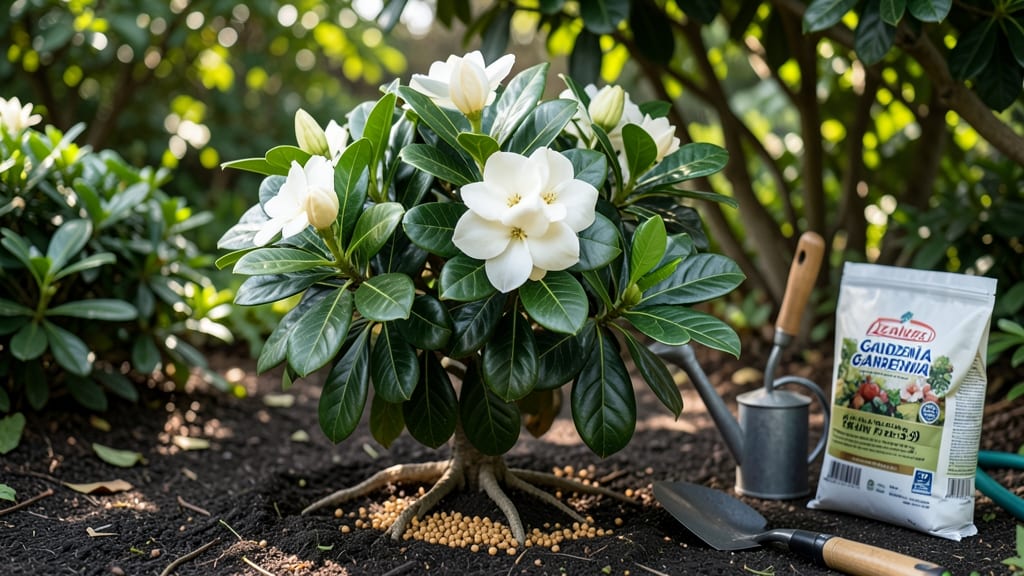
Fertilizing gardenias in Florida at the right time means the difference between fragrant 🌸 blooms all year and struggling shrubs that barely hold onto their leaves.
Here’s the truth: most Florida gardeners overlook how humidity and warm winters change the rules. Feed too early, and you’ll burn roots in the heat. Wait too long, and your plant skips blooming season entirely. I’ve made both mistakes—and learned the exact timing that works in zones 9a-11.
In this guide, I’ll walk you through the spring and fall schedule that keeps your gardenias thriving, plus how to spot when they’re begging for nutrients (or when you’ve given them too much). No more guessing—just lush, fragrant blooms that last.
You’ll also discover the best fertilizer types for Florida’s acidic soil, how to adjust for summer’s heat stress, and when to pause feeding entirely. Let’s get those gardenias blooming like they’re in a tropical paradise.

Optimal fertilization schedule for Florida gardenias: spring vs fall breakdown
Florida’s humid subtropical climate creates unique challenges for gardenia care, especially when it comes to fertilization. Unlike cooler climates, Florida’s extended growing season and high humidity demand precise timing to avoid over-fertilization or nutrient burn.
The key is synchronizing your feeding schedule with your gardenia’s natural growth cycles—spring for blooms and fall for root strengthening—while adjusting for Florida’s wet and dry seasons.
Most gardeners make the mistake of fertilizing too heavily during summer’s heat or skipping fall feedings entirely. In reality, spring and fall are your powerhouse seasons for fertilization, with light maintenance feeds in summer and winter.
The goal? Fuel bloom production without stressing your plant during Florida’s intense heat or hurricane-prone months. Let’s break down the exact timing, including how to read your plant’s growth cues for perfect synchronization.
🌸 Pro Tip: Always use a slow-release, acid-loving fertilizer (like an Azalea/Camellia mix) with an NPK ratio of 6-6-6 or 8-3-9. Florida’s soil is often alkaline, so aim for a soil pH of 5.0-6.0—this is non-negotiable for gardenias.
Let’s start with spring fertilization, your plant’s bloom-building season. In Florida, this begins in early February when your gardenia starts showing signs of new growth—think tender green leaves and buds forming. This is your cue to apply the first heavy feed of the year.
Use a slow-release granular fertilizer (like Osmocote Smart-Release) and work it into the top 2-3 inches of soil around your plant’s drip line. Avoid leaf burn by watering deeply after application.
By late May, your gardenia should be covered in flower buds. This is the perfect time for a light liquid feed (diluted to half-strength) to support bloom development.
Florida’s summer heat can stress plants, so reduce fertilization frequency to every 8-10 weeks and skip entirely during hurricane season (June-November). Look for yellowing leaves or leaf drop—these are signs you’re over-fertilizing.
Now, let’s talk fall fertilization, often the most overlooked season. In Florida, September is your last chance to feed your gardenia before winter. This isn’t about blooms—it’s about root strengthening.
Apply a slow-release fertilizer in early September to give your plant’s roots a nutrient boost before Florida’s mild winters. Stop fertilizing by November 1st to let your gardenia harden off naturally. Over-fertilizing in late fall can lead to weak growth and pest susceptibility.
Here’s how to read your gardenia’s growth cues for perfect timing: If your plant shows dark green, glossy leaves with steady new growth, it’s ready for fertilizer. But if you see
Signs your gardenia needs fertilizer (and when to avoid it)
Your Florida gardenias might be silently screaming for nutrients—or begging you to stop overfeeding. Yellowing leaves or slow growth are classic signs your plant needs fertilizer, but brown leaf edges or stunted blooms could mean you’re overdoing it.
Florida’s humid climate and sandy soil make it tricky to get the balance right, so let’s decode your gardenia’s signals.
First, check the leaves. Healthy gardenia foliage stays deep green. If you spot pale yellow leaves (chlorosis), your plant’s craving iron or nitrogen.
In Florida’s alkaline soils, iron deficiency is common—this is your cue to test your soil’s pH (aim for 5.0-6.0) and amend with chelated iron or acid-loving plant fertilizer. Slow growth or small, sparse blooms also scream for nutrients, especially before Florida’s spring bloom surge.
⚠️ callout-warning ⚠️
- Brown leaf tips (burn from excess salt in synthetic fertilizers)
- Crispy edges (over-fertilization in Florida’s heat)
- No new growth after 4+ weeks of feeding (toxic buildup)
Florida’s summer heat (90°F+) is another red flag. If your gardenia’s leaves curl or wilt despite consistent watering, it’s likely heat-stressed. Fertilizing during peak heat (June-August) forces the plant to focus on growth instead of survival, leading to dropped buds or leaf scorch.
Instead, mulch heavily with pine bark (to retain moisture and acidify soil) and water deeply in the morning.
Don’t ignore bloom quality either. Gardenias that produce fewer flowers or smaller blooms often need a phosphorus boost (the middle number in NPK). Try a balanced 6-6-6 fertilizer in early spring (February-March) to kickstart blooming.
Pro tip: Deadhead spent flowers to redirect energy into new blooms—this works best when paired with light fertilization every 6-8 weeks.
For container gardenias, watch for roots circling the pot—a sign they’ve maxed out their nutrient supply. Repot with acidic potting mix and a slow-release fertilizer pellet in late winter (January) to prep for spring blooms.
In-ground plants may need annual soil testing due to Florida’s limestone-rich soil, which can neutralize acidity over time.
Remember: Less is more in Florida’s heat. If your gardenia’s leaves turn yellow after fertilizing, flush the soil with water 3x the pot size to leach excess salts.
And always water before fertilizing—this prevents root burn. With these cues, your gardenia will thank you with glossy leaves and fragrant blooms all season. 🌸