
Tools
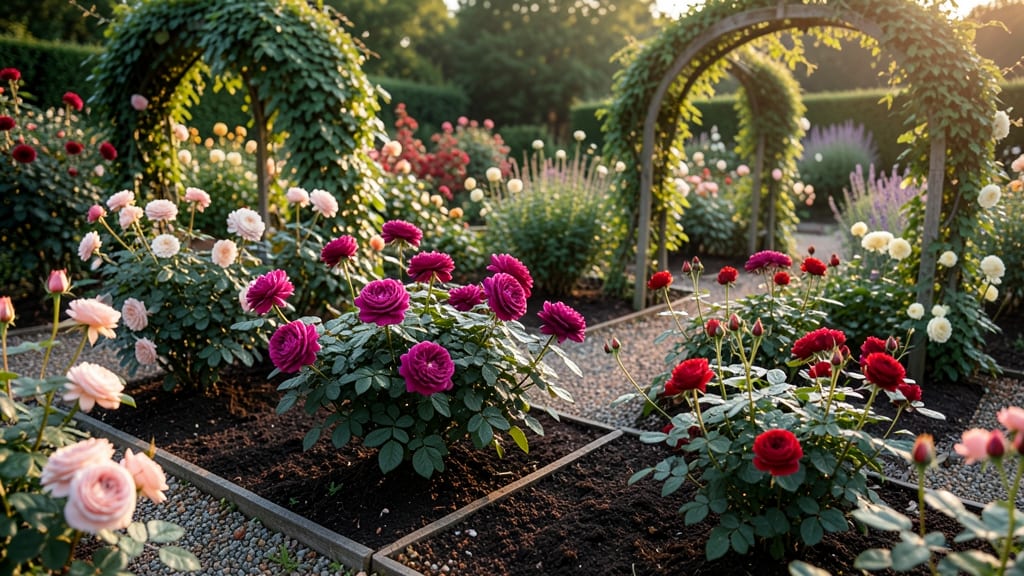
The White House Rose Garden was created under First Lady Jacqueline Kennedy in 1961, transforming a neglected lawn into a vibrant floral display featuring over 1,000 roses and meticulously curated plantings designed by landscape architect Rachel Lambert Mellon and horticulturist Henry Winthrop Sargent.
The White House Rose Garden's creation wasn't just about beauty—it was a cultural statement. 🌹 Jacqueline Kennedy wanted to restore the White House's historic charm after years of neglect, and she enlisted Rachel Lambert Mellon, a renowned horticulturist known for her work at the DuPont Estate, to lead the redesign.
Together, they selected over 1,000 roses and complementary perennials to create a garden that reflected both French formal design and American floral traditions. Henry Winthrop Sargent, a respected horticulturist, helped refine the plant selections to ensure year-round interest.
This collaboration transformed what was once a barren lawn into one of the most iconic gardens in the world.
The garden's design wasn't just about aesthetics—it was a carefully planned ecosystem.
Mellon's layered approach included roses as the stars, with supporting perennials like peonies and hydrangeas to extend the blooming season. 🌸 The result was a space that felt both grand and intimate, perfect for official events while still offering a private retreat for the First Family.
Today, the White House groundskeepers maintain this legacy, adjusting seasonal plantings to keep the garden vibrant year-round.
💡 In This Article
- Jacqueline Kennedy’s Vision and the 1960s White House Garden Revival
- Designing the White House Rose Garden: Plants, Layouts, and Modern Maintenance
Jacqueline Kennedy’s vision and the 1960s White House garden revival
Jacqueline Kennedy’s decision to revive the White House Rose Garden stemmed from a desire to restore the historic elegance of the Executive Mansion. 🌹 Before her tenure, the garden had been allowed to fall into disrepair during the Eisenhower administration, with overgrown lawns and sparse plantings that clashed with the grandeur of the building.
Kennedy, inspired by her love of French formal gardens—particularly those at Versailles—saw the garden as an opportunity to soften the White House’s austere facade and create a space that reflected both American tradition and European sophistication.
The collaboration with Rachel Lambert Mellon, a Philadelphia socialite and horticulturist renowned for her work at the DuPont Estate, was pivotal. Mellon brought expertise in French-inspired garden design, including symmetrical layouts, geometric patterns, and meticulous plant selection.
She chose roses not just for their beauty but for their symbolic significance—roses were historically tied to European aristocracy, aligning with Kennedy’s vision of restoring the White House to its former grandeur. 🌺 The team also consulted Henry Winthrop Sargent, a leading horticulturist at the time, to ensure the roses selected would thrive in Washington’s climate while requiring minimal maintenance, a practical consideration given the White House’s demanding schedule.
What made this project unique was the blend of historical research and modern horticulture. Kennedy insisted on restoring the garden’s original 1930s layout, which had been designed by landscape architect Frederick Law Olmsted Jr., while updating it with Mellon’s expertise.
The result was a garden that felt both timeless and fresh—featuring over 1,000 roses in 12 varieties, including hybrid teas and floribundas, alongside supporting perennials like peonies, hydrangeas, and boxwood hedges. 🌿 The color palette was carefully curated to complement the White House’s white facade, with shades of pink, red, and white dominating the seasonal displays.
Beyond aesthetics, the garden served a diplomatic purpose. Kennedy used it to host private dinners and receptions, creating an intimate yet grand setting for international visitors.
The roses, in full bloom during spring and summer, became a symbol of American hospitality and renewal, aligning with Kennedy’s broader efforts to redefine the role of the First Lady. 🌸 The garden’s success also reflected her understanding of how public spaces could shape perceptions—transforming a once-neglected area into a cultural landmark that still draws admiration today.
The project required overcoming significant challenges, including Washington’s humid summers and the need for low-maintenance plants. Mellon and Sargent selected disease-resistant rose varieties and incorporated drought-tolerant ground covers to ensure longevity. 💧 This practical approach ensured the garden could thrive year-round with minimal intervention, a testament to the team’s foresight.
The result was a space that not only looked stunning but also stood the test of time, much like the legacy of Kennedy’s presidency.
Today, the White House Rose Garden remains a testament to Kennedy’s vision and Mellon’s expertise.
The garden’s enduring popularity—it attracts thousands of visitors annually—proves that its design principles still resonate. 🌺 For garden enthusiasts, the story offers a masterclass in blending history, horticulture, and diplomacy, showing how thoughtful planning can transform even the most overlooked spaces into works of art.